Mold remediation service in Castle Pines begins with understanding that mold is not just a surface stain; it is a sign of moisture intrusion that can damage your home and affect your health if left untreated.
In this blog, we will explain what mold remediation means, how it affects your property, and why professional mold remediation service is the best way to protect your investment and peace of mind. Throughout the content, we will cover common issues with mold, how it can affect time and money, and what you should expect if you choose Colorado Field Services for mold remediation and other related services such as water damage restoration and indoor air quality assessment.
Mold is a type of fungi found everywhere, both indoors and outdoors. It reproduces through microscopic spores that are always present in the air. Indoor mold only grows when three conditions exist: moisture, water, and a food source such as wood, drywall, carpet, or insulation.
Mold can begin to form within 24 to 48 hours after moisture events such as leaks, floods, or high humidity if conditions stay damp. It colonizes porous materials by penetrating deep into surfaces, not just on the surface. Dead mold is still allergenic and potentially harmful, which is why professional removal and containment are important. (CDC)
Mold growth is a symptom of an underlying moisture issue and not merely a surface blemish. Left unresolved, mold can:
● Compromise structural components like wood framing, drywall, and insulation
● Lower property values and stall real estate sales
● Cause persistence of musty odors that degrade comfort
● Result in recurring visible regrowth after DIY cleaning
● Increase risk of indoor air quality issues that affect occupants’ health
Professional remediation targets the root cause of moisture as well as the mold itself instead of only cleaning surface areas, which often leaves spores behind. (US EPA)
Castle Pines sits in a semi‑arid Colorado climate with variable weather patterns, including snowmelt, summer thunderstorms, and significant temperature swings. These conditions may cause condensation inside wall cavities and attics and can lead to hidden moisture problems, especially in basements and crawl spaces.
Sudden snowmelt and humidity spikes can drive moisture into structural gaps and porous materials that then become breeding grounds for mold. Even though Colorado has a relatively lower mold risk index compared to many states due to its climate, mold still thrives when moisture events occur and persist. (Air Quality Testing by AirMD Since 2007)
Mold remediation is the professional controlled removal and treatment of mold contamination in buildings, which includes:
● Dentifying hidden mold and moisture sources
● Isolating contaminated areas to prevent spore spread
● Removing and disposing of mold-infested materials
● Thorough cleaning and air filtration
● Addressing root moisture causes so mold does not return
Remediation goes beyond surface cleaning and requires specialized training and equipment to ensure safety, effectiveness, and long‑lasting results.
Professional mold remediation follows a multi‑step and documented workflow often necessary in both residential and commercial settings:
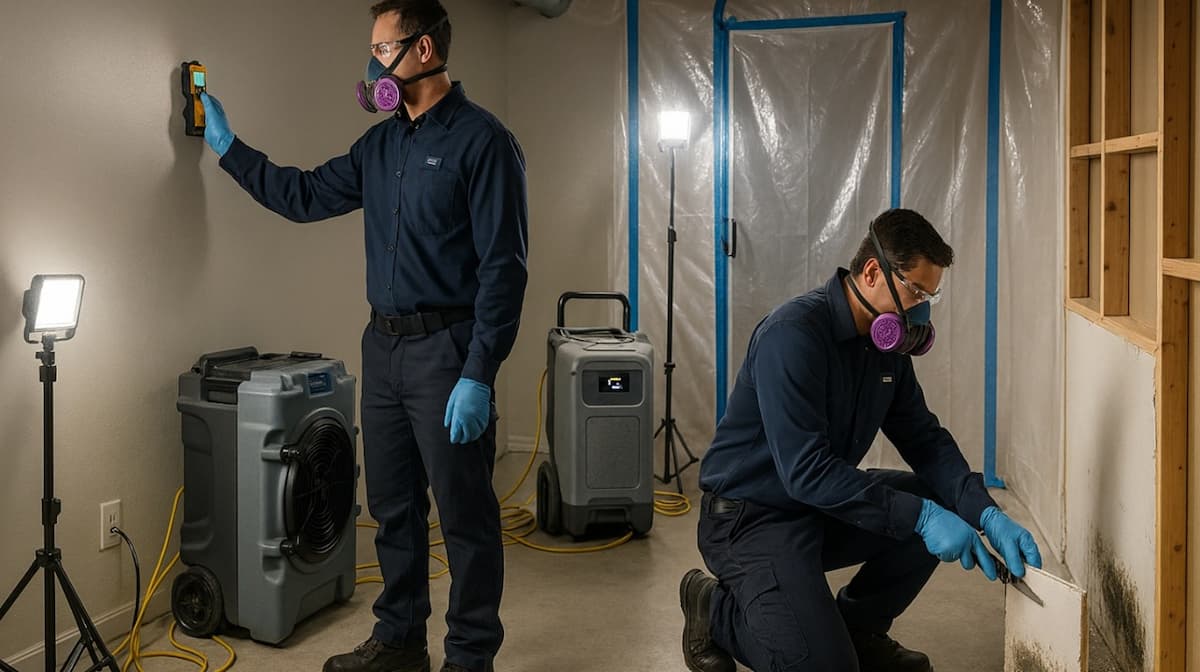
Certified technicians begin with a visual inspection and use advanced tools like moisture meters and thermal imaging to detect hidden moisture and mold growth. Air sampling and surface sampling may be included to determine species and concentration. This phase creates a baseline and informs the remediation plan. (Colorado Field Services)
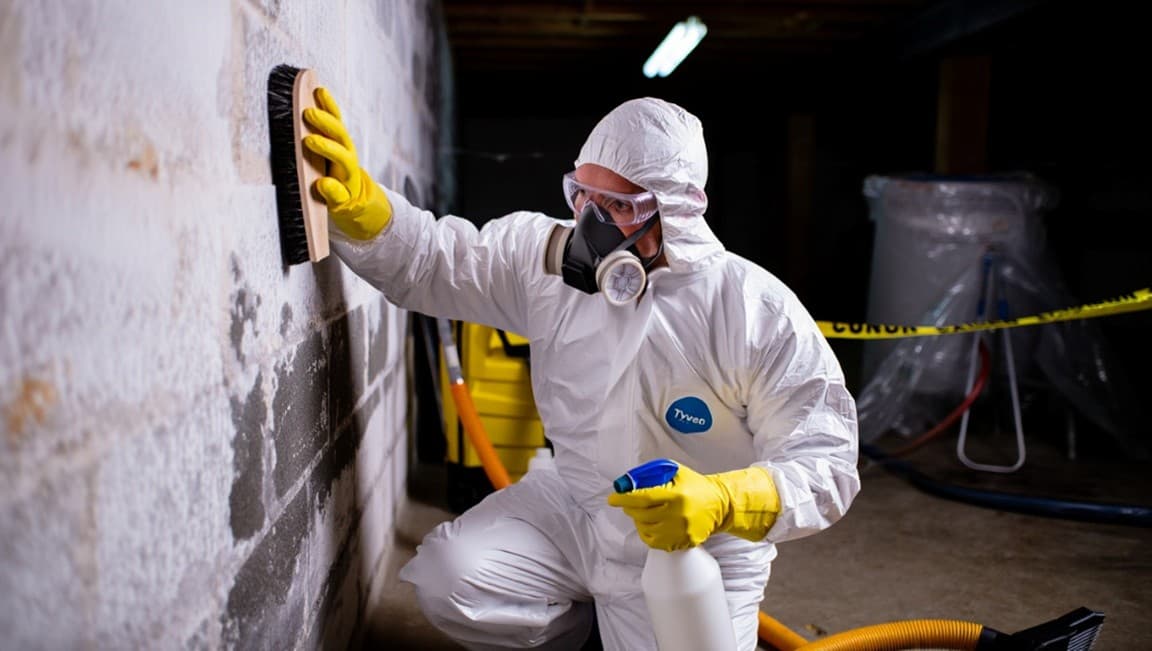
Containment measures prevent spores from spreading to unaffected spaces. This is done with plastic barriers and negative air pressure systems that use HEPA filtration. These high-efficiency filters trap airborne spores during remediation, preventing cross-contamination.
Materials that cannot be cleaned, such as mold-infested drywall insulation and carpet, are safely removed and sealed for disposal. Porous materials often harbor deep mold growth that must be discarded because surface cleaning alone cannot remove all spores.
HEPA vacuums and air scrubbers remove remaining airborne spores. EPA-approved cleaning agents are used on hard surfaces to sanitize and reduce allergenic residue. Air filtration continues until clearance levels are met and the space is safe.
Fixing the moisture problem itself is crucial to long-term success. This may include repairing leaks, improving drainage and ventilation, and using dehumidifiers to maintain safe humidity levels.
After cleanup, technicians verify that mold levels are reduced to acceptable indoor air quality standards. This may include additional testing and documentation for insurance or real estate transactions. Certification of clearance protects occupants and property owners before re‑occupancy.
Exposure to mold spores and fragments can trigger health effects, especially in sensitive individuals, including children, the elderly, and those with respiratory conditions. Symptoms associated with mold exposure include:
● Sneezing and nasal congestion
● Coughing and wheezing
● Red or itchy eyes
● Skin irritation
● Aggravated asthma or allergy flare‑ups
● Hypersensitivity pneumonitis in rare cases
The risk and severity depend on the type of mold, extent of exposure, and individual health conditions. Certain molds also produce irritants and potential mycotoxins, which can exacerbate symptoms, though toxic outcomes are the exception rather than the rule. (US EPA)
Remediation costs vary widely by severity, size, and accessibility of contamination. Factors that influence price include:
● Size of mold‑affected area
● Ease of access to hidden growth
● Type of materials needing removal
● Testing and verification needs
● Moisture correction requirements
Small localized mold jobs may be affordable, while large-scale remediation requiring structural repair and full clearance testing can reach significant amounts. Understanding the cost breakdown helps homeowners budget for a thorough professional service instead of piecemeal fixes. (mastertechenvironmental.com)
Professional remediation uses industry protocols to ensure safety and effectiveness. Standards from EPA, OSHA, and IICRC guide certified remediation practices, including containment setup, protective gear, and air control. HEPA filtration and negative pressure ventilation prevent spore migration. Personal protective equipment can range from N95 respirators for minor cleaning to full-powered air-purifying respirators for larger projects. Proper training and compliance with safety guidelines protect both workers and occupants during treatment. (OSHA)
Permanent prevention requires addressing moisture sources and building dynamics:
● Maintain indoor humidity at safe levels
● Repair roof plumbing and foundation leaks promptly.
● Improve ventilation in bathrooms, kitchens, and basements.
● Ensure proper grading and drainage around the building
● Regularly inspect and maintain HVAC systems
Proactive strategies reduce the risk of future mold while improving overall indoor air quality and comfort. (US EPA)
Selecting the right remediation company is essential to a successful outcome. Look for technicians who are certified, trained, and experienced with documented protocols. Transparency about the process timeline, testing, and results helps build confidence. Documentation for insurance or real estate needs is another key factor. A reputable professional will explain the remediation approach and answer questions before work begins.
At Colorado Field Services, our mold remediation services in Castle Pines and greater Colorado are backed by certified training from the National Organization of Remediators & Mold Inspectors (NORMI®).
We provide comprehensive indoor air quality assessments, moisture diagnostics, containment, safe mold removal, and post-remediation verification. Every project includes detailed reporting with documentation suitable for insurance claims or real estate needs so you know the job is done thoroughly and professionally.
Mold is a serious issue that demands professional attention. A full mold remediation solution protects indoor air quality structural integrity and occupant health. Rather than DIY patch fixes choosing a certified mold remediation company in Colorado like Colorado Field Services for expert assessment controlled removal and long term moisture management. If you suspect mold in your Castle Pines property contact us now for a complete consultation and tailored remediation plan.
1. What causes indoor mold growth, and how does it start?
Indoor mold growth begins with moisture from leaks, condensation, or high humidity, which allows mold spores present in the air to settle and colonize damp surfaces.
2. Can I remediate mold myself without professional help?
Small isolated areas under 10 square feet may be cleaned with proper protection, but larger or hidden mold infestations require professional remediation for safety and thorough results.
3. How long does professional mold remediation take?
Depending on the size and severity, remediation can take from one day to several days, including inspection, containment, cleanup, and verification.
4. What health symptoms are associated with mold exposure?
Mold exposure may trigger allergic reactions, coughing, wheezing, irritated eyes, and other respiratory issues, especially in sensitive individuals.
5. Does insurance cover mold remediation costs?
Coverage varies by policy; many homeowner policies exclude mold unless it results from a covered peril. Review your policy or consult with your agent for specifics.
6. How do I know when my property is safe after remediation?
Post-remediation verification by a professional includes testing or inspection to confirm mold levels are within safe indoor air quality standards before reoccupancy.
 basement finishing
Bathroom Renovation
Blog Category
Concrete Sidewalk Installers
Countertop Installation Services
Emergency HVAC Service
Exterior Painting Castle Pines
Heating System Installation
Interior Painting
mold remediation colorado
Poured Concrete Services
Quartz Countertop Installation
Quartz Kitchen Countertop Installation
Tenant Improvement
basement finishing
Bathroom Renovation
Blog Category
Concrete Sidewalk Installers
Countertop Installation Services
Emergency HVAC Service
Exterior Painting Castle Pines
Heating System Installation
Interior Painting
mold remediation colorado
Poured Concrete Services
Quartz Countertop Installation
Quartz Kitchen Countertop Installation
Tenant Improvement