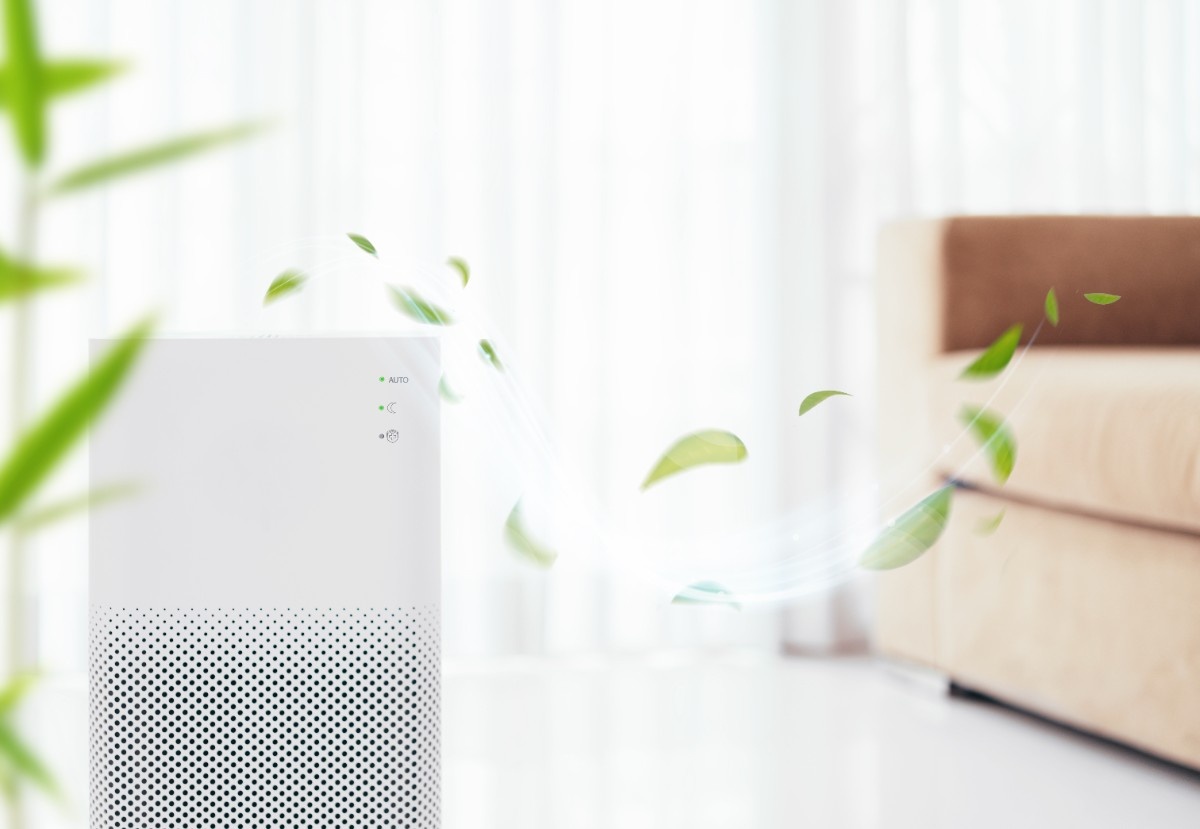
Indoor air looks clean most of the time, but appearances can be misleading. Research across the United States consistently shows that indoor air can carry higher concentrations of pollutants than outdoor air, especially in tightly sealed modern homes. In Colorado, this concern becomes more relevant because of dry air, seasonal wildfire smoke, dust movement, and long heating and cooling cycles that keep windows closed for extended periods.
In Castle Pines and nearby Colorado communities, homeowners often notice subtle signs first. A light layer of dust returning quickly, mild allergies indoors, or a lingering smell that never fully clears out. These are early indicators of an air system that needs attention.
Colorado Field Services focuses on structured air purification and filtration solutions in Colorado designed to improve indoor environments at a practical level, not just in theory.
Air filtration removes physical particles from air using layered filters. These include dust, pollen, pet dander, and fine airborne debris. Air purification goes a step further by reducing or neutralizing contaminants such as odors, bacteria, and chemical vapors.
When both systems work together, they create a continuous cleaning cycle inside the home. Air moves through filtration layers, gets treated, and circulates back in a cleaner state. The goal is not just freshness but stability in air quality throughout the day.
Homes in Colorado experience conditions that directly influence indoor air quality. These include:
In places like Castle Pines, these factors combine with modern home designs that prioritize energy efficiency. While energy efficiency is beneficial, it reduces natural ventilation, which means pollutants remain trapped longer inside living spaces.
Most homes contain a mix of invisible pollutants that build up over time.
These come from outdoor air, fabrics, flooring, and everyday movement.
Tiny skin particles from pets that remain suspended in air for long periods.
Often linked with hidden moisture areas like basements, bathrooms, or HVAC systems.
Released from cleaning products, paints, furniture, and building materials.
Generated from cooking, fireplaces, and wildfire exposure.
These pollutants may not always be visible, but they continuously affect breathing comfort and indoor freshness.
Air systems operate through a continuous circulation cycle.
High-efficiency filters capture finer particles, while carbon-based components help reduce odors and chemical traces. Some systems also use UV-based mechanisms to target biological contaminants.
The effectiveness depends on correct system sizing, airflow balance, and routine maintenance.
Different homes need different solutions depending on size, usage, and air quality conditions.
Basic-level protection integrated into heating and cooling systems.
Designed to capture smaller particles such as pollen, smoke dust, and fine allergens.
Installed within HVAC systems to clean air throughout the entire home continuously.
Used for individual rooms where targeted air cleaning is needed.
Poor indoor air does not always cause immediate illness, but it affects the body gradually.
Common effects include:
Children, elderly individuals, and those with existing respiratory conditions often feel these effects more strongly.
Many homeowners notice early warning signs without connecting them to air quality issues.
These signs usually indicate that air circulation and filtration are not functioning effectively.
Even high-quality systems lose efficiency when not maintained properly. Filters become blocked, airflow slows, and pollutants begin to recirculate.
Regular maintenance helps:
Ignoring maintenance often leads to gradual decline in indoor air quality without immediate visible warning.
Every home has a different air quality profile. Factors like layout, ventilation design, and environmental exposure create unique conditions.
A professional evaluation helps identify:
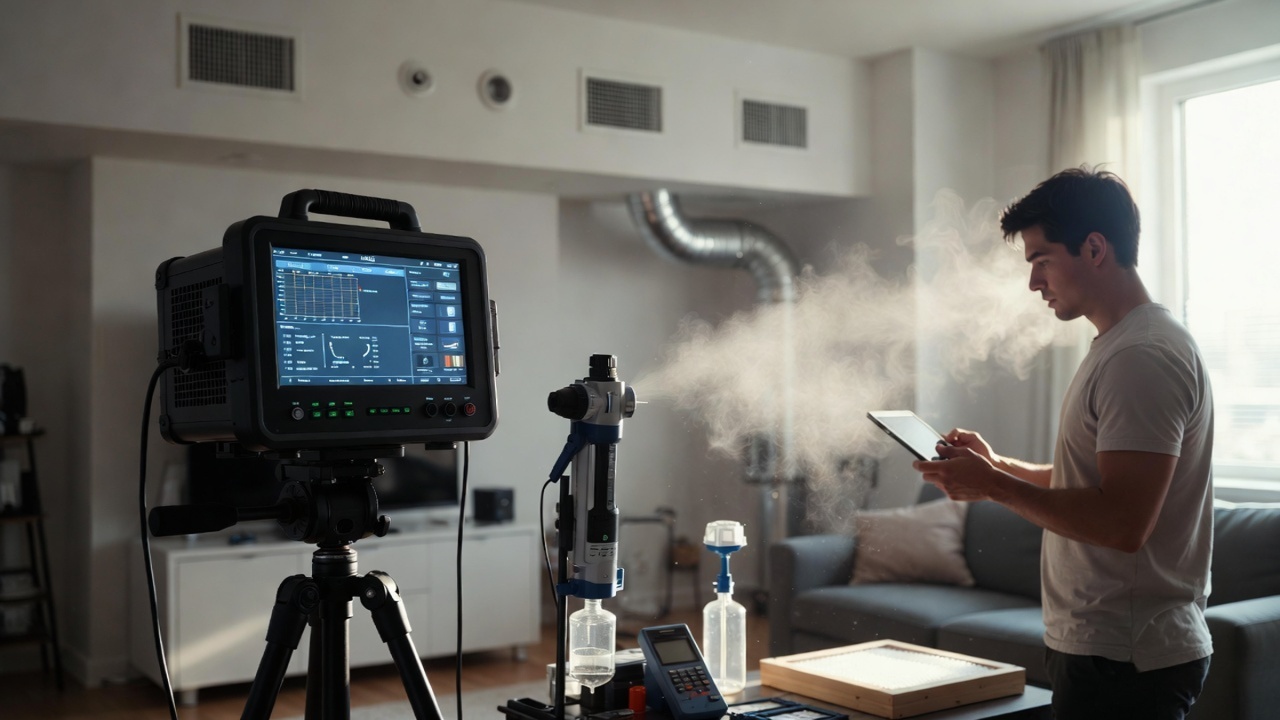
Colorado Field Services uses structured assessment methods to understand how air moves through a home and where contamination builds up. This allows targeted solutions instead of general assumptions.
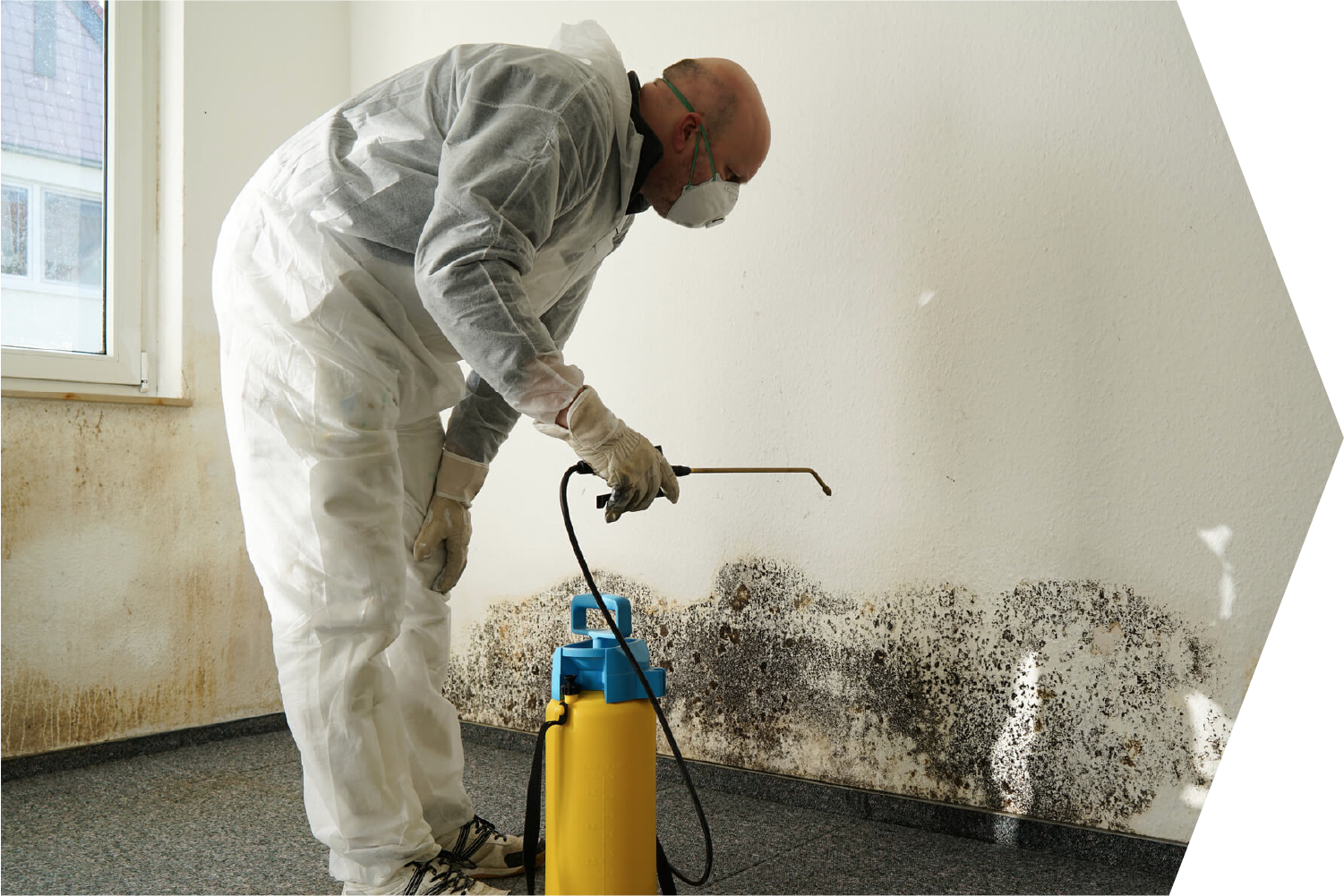
In many cases, air quality issues connect directly to hidden moisture or mold activity, which is why IAQ mold testing becomes an important step in long-term indoor health management.
Air quality and moisture are closely linked. When moisture enters hidden areas like walls, basements, or HVAC systems, it creates conditions for mold growth.
Mold spores then circulate through air systems and affect indoor environments even when no visible mold is present. This is why air purification alone is not always enough. Identifying and controlling moisture sources is equally important.
Indoor air quality is not defined by what you notice immediately but by what continuously circulates in the background. In Colorado homes, environmental conditions and modern construction make air purification and filtration a necessary part of healthy living rather than an optional upgrade.
When systems are properly designed, maintained, and evaluated, they create a noticeable difference in comfort, breathing quality, and overall home environment.
Colorado Field Services focuses on delivering practical, reliable air purification and filtration solutions that address real indoor challenges faced by Colorado homeowners.
1. What is the main purpose of air filtration in a home?
Air filtration removes dust, allergens, and airborne particles to improve indoor breathing quality.
2. How do I know if my home has poor indoor air quality?
Common signs include dust buildup, allergies indoors, stale odors, and frequent respiratory irritation.
3. Are air purifiers enough to improve indoor air quality?
They help significantly, but proper filtration and ventilation systems provide more complete coverage.
4. Why is indoor air quality worse in sealed homes?
Sealed homes reduce natural airflow, which traps pollutants inside for longer periods.
5. Can air filtration reduce allergy symptoms?
Yes, by removing pollen, dust, and dander from indoor air, symptoms often reduce noticeably.
6. How often should home air filters be checked?
Most filters should be inspected every one to three months depending on usage and environment.
 basement finishing
Bathroom Renovation
Blog Category
Concrete Patio Installation
Concrete Sidewalk Installers
Countertop Installation Services
Emergency HVAC Service
Exterior Painting Castle Pines
General Contractor
Granite Countertop
Granite Countertops
Heating System Installation
Indoor Air Quality
Interior Painting
Mold Remediation
mold remediation colorado
Painting Contractors
Poured Concrete Services
Quartz Countertop Installation
Quartz Kitchen Countertop Installation
Residential Concrete Services
Tenant Improvement
Uncategorized
basement finishing
Bathroom Renovation
Blog Category
Concrete Patio Installation
Concrete Sidewalk Installers
Countertop Installation Services
Emergency HVAC Service
Exterior Painting Castle Pines
General Contractor
Granite Countertop
Granite Countertops
Heating System Installation
Indoor Air Quality
Interior Painting
Mold Remediation
mold remediation colorado
Painting Contractors
Poured Concrete Services
Quartz Countertop Installation
Quartz Kitchen Countertop Installation
Residential Concrete Services
Tenant Improvement
Uncategorized