Most homeowners never see black mold when it first appears. In many cases, they discover it months after the water problem started. By then, the mold itself is only part of the problem.
Across the United States, mold-related property damage costs homeowners millions of dollars every year. What surprises many people is that black mold rarely begins with a major flood or a dramatic plumbing disaster. More often, it starts with something small. A slow leak behind a bathroom wall. Condensation in an attic. Moisture trapped beneath flooring. A basement corner that never completely dries.
By the time homeowners notice discoloration, odors, or damaged materials, mold may have already spread beyond the visible area.
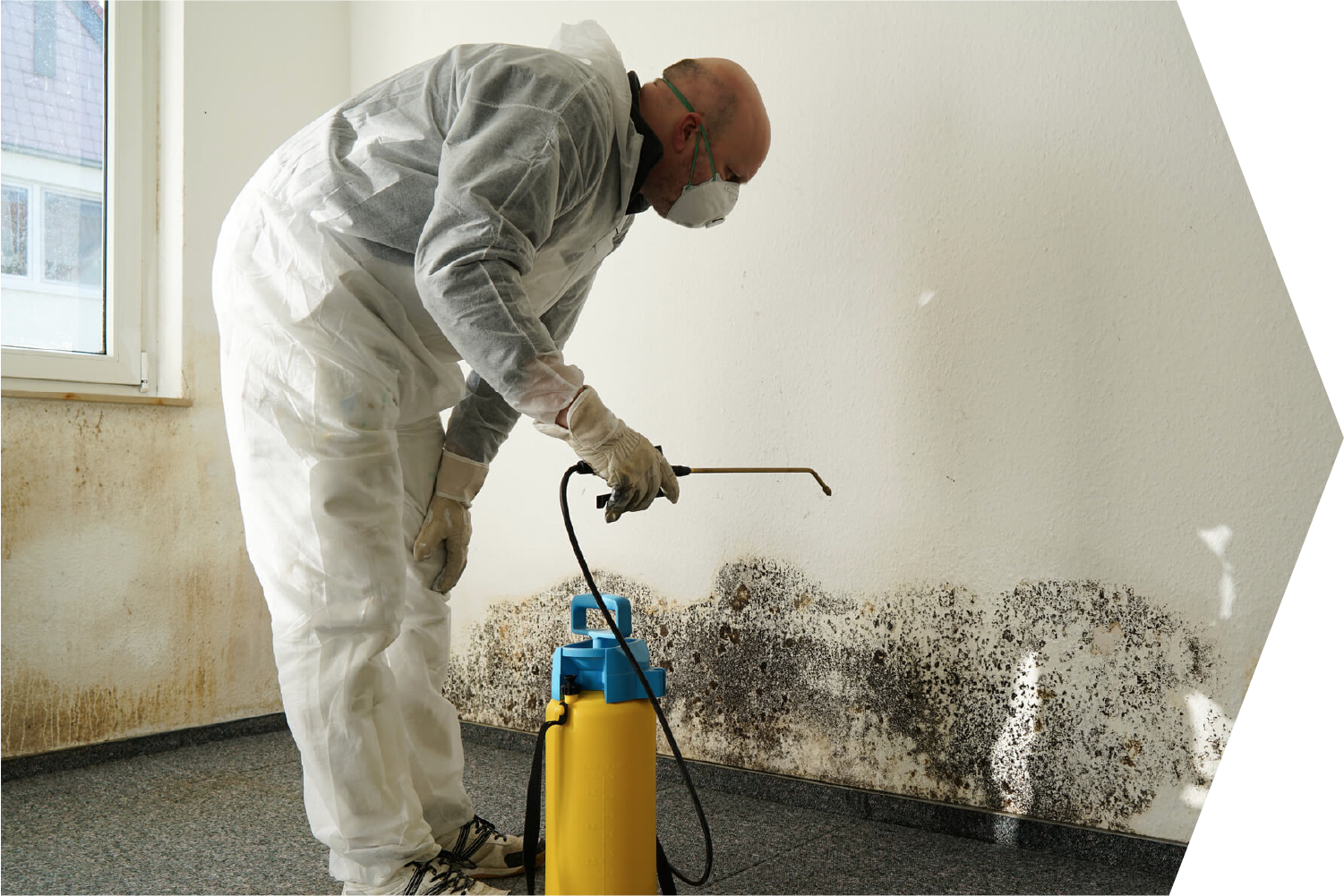
Homes often feature finished basements, spacious layouts, and energy-efficient construction; however, hidden moisture can remain undetected for long periods. That is why Black Mold Remediation Company in Castle Pines, CO, is not simply about removing visible growth. It is about uncovering the underlying moisture issue that allowed mold to develop in the first place.
At Colorado Field Services, remediation begins with understanding the full story behind the mold, because solving the surface problem alone rarely delivers long-term results.
Ask most homeowners where mold grows, and many will point to bathrooms or damp basements.
While those areas certainly experience mold problems, some of the most significant infestations begin in places homeowners rarely inspect.
Think about the spaces hidden behind everyday life:
A small amount of moisture trapped in these locations can remain unnoticed for months. Mold does not need sunlight. It does not require standing water. It only needs moisture and a surface to grow on.
This is why homeowners often discover mold accidentally during a renovation, plumbing repair, flooring replacement, or home inspection.
Castle Pines is known for beautiful residential communities and well-maintained homes. However, some common housing characteristics can also create conditions where hidden moisture remains undetected.
Many homes feature:
These features improve comfort and functionality, but they can also make moisture problems harder to detect.
For example, a small leak inside a finished basement wall may remain hidden far longer than it would in an unfinished space. Likewise, highly insulated attics can trap moisture when ventilation systems are not working as intended.
The result is often a slow-growing problem that develops quietly until visible signs finally appear.
Not all mold problems carry the same level of damage.
Some locations consistently create more extensive restoration projects because homeowners rarely notice the issue early.
| Hidden Location | How It Usually Starts | Why Costs Can Increase |
| Behind basement drywall | Foundation moisture or seepage | Mold spreads without visible warning signs |
| Beneath flooring | Appliance leaks or plumbing failures | Flooring and subfloor materials may require removal |
| Inside attics | Roof leaks or ventilation issues | Moisture can affect insulation and structural wood |
In each case, the mold itself is only part of the concern. The larger challenge often involves repairing the damage caused by long-term moisture exposure.
One of the most common mistakes homeowners make is focusing only on what they can see.
A dark patch on drywall may seem like the entire problem. Unfortunately, visible mold often represents only a small portion of the affected area.
Imagine wiping away a water stain without fixing the leak that caused it. The stain may disappear temporarily, but the problem remains.
The same principle applies to mold.
If moisture continues to enter the affected area, mold can return even after surface cleaning.
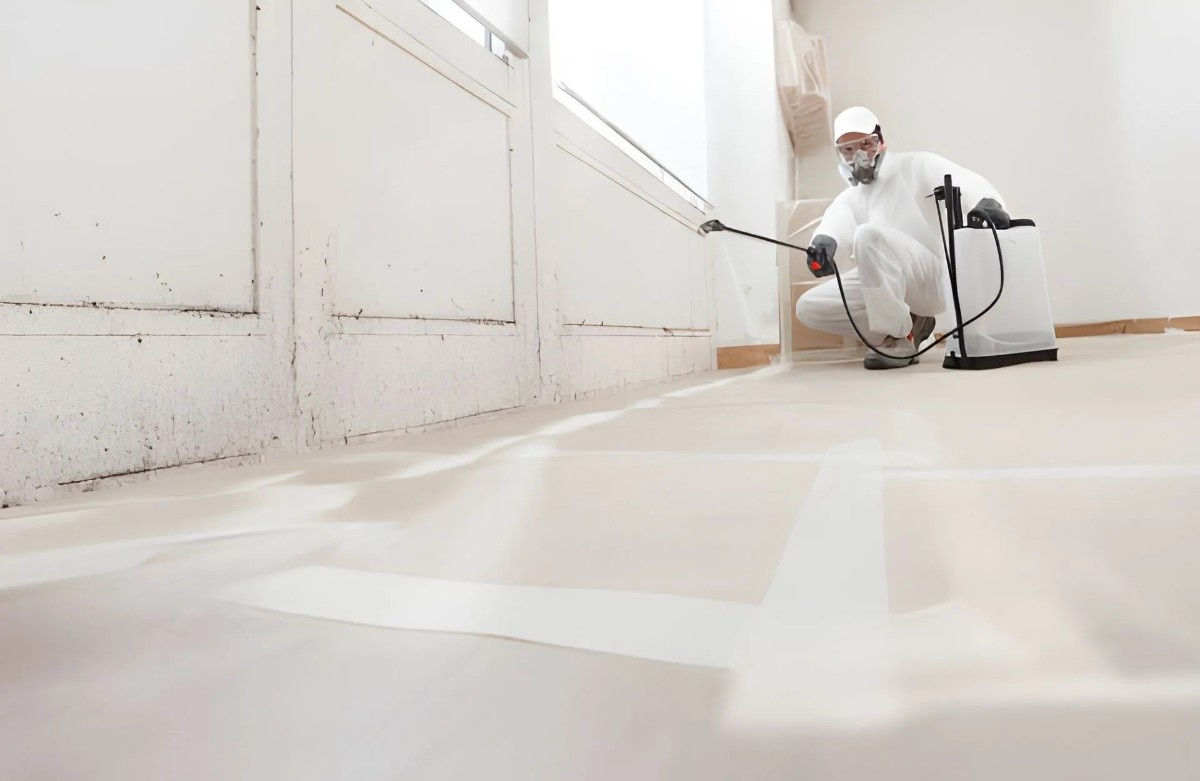
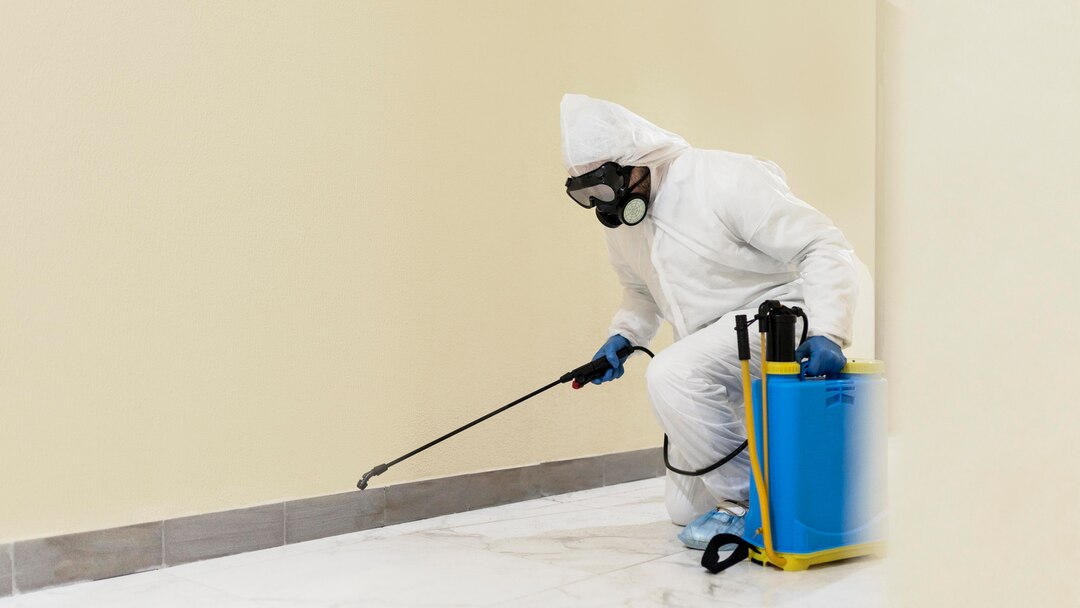
Professional remediation focuses on two goals:
Without both steps, long-term success becomes difficult.
Many homeowners view mold as the primary issue.
In reality, mold is often evidence of an existing moisture problem.
Consider these common examples:
In each situation, mold acts as a warning sign rather than the original cause.
That is why remediation professionals spend significant time tracing moisture pathways throughout the property.
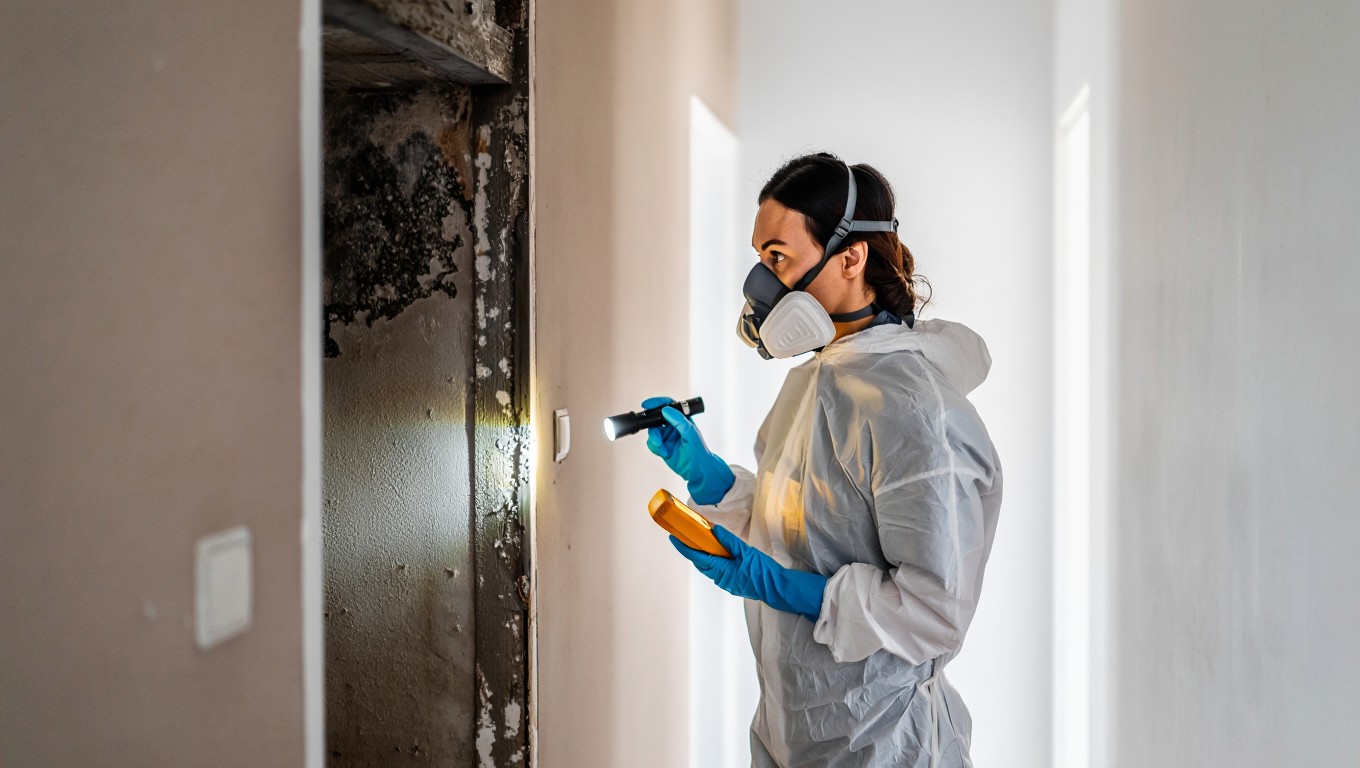
A professional investigation goes far beyond identifying visible mold growth.
The goal is to understand why the mold appeared and where moisture is entering or accumulating.
During an assessment, professionals may evaluate:
This broader approach helps create a more complete picture of the property’s condition.
Instead of treating symptoms, professionals can focus on the underlying cause.
Many homeowners assume a small moisture issue can wait until a more convenient time.
Unfortunately, mold growth rarely follows a homeowner’s schedule.
The timeline often looks something like this:
| Time After Moisture Event | Typical Outcome |
| First few days | Moisture remains trapped in materials |
| Several weeks | Mold colonies begin expanding |
| One to three months | Odors and visible signs often appear |
| Several months or longer | Structural materials may begin deteriorating |
The earlier the issue is addressed, the easier it typically becomes to contain damage and reduce restoration costs.
Every property is different, but certain situations appear repeatedly throughout Colorado.
Seasonal weather changes can create opportunities for water intrusion around roofing components.
Small amounts of moisture entering foundation walls may go unnoticed for extended periods.
Refrigerators, dishwashers, and washing machines can produce slow leaks that remain hidden beneath flooring.
Bathrooms, laundry rooms, and kitchens generate significant moisture. Poor ventilation can allow humidity to accumulate over time.
Even minor pipe leaks can introduce enough moisture to support mold growth inside wall cavities.
These scenarios demonstrate why regular inspections and prompt repairs remain important for long-term property protection.
Many homeowners wait until mold becomes visible.
However, several warning signs may justify a professional assessment before major growth appears.
Consider scheduling an inspection if you notice:
Addressing concerns early can help prevent larger restoration projects later.
Black mold rarely appears without a reason. Behind nearly every mold issue lies a moisture source that allowed the problem to develop. Focusing only on visible mold may provide a temporary fix, but lasting results require a deeper investigation into the property’s condition.
For homeowners in Castle Pines, understanding the connection between moisture and mold can help prevent expensive repairs and long-term property damage. Colorado Field Services provides professional assessments and remediation solutions designed to identify the source of the issue, contain affected areas, and restore safer indoor environments.
If you are concerned about hidden mold, moisture intrusion, or water-related property damage, learn more about licensed mold remediation in Castle Pines and schedule a professional evaluation before a small issue becomes a major restoration project.
 basement finishing
Bathroom Renovation
Blog Category
Concrete Patio Installation
Concrete Sidewalk Installers
Countertop Installation Services
Emergency HVAC Service
Exterior Painting Castle Pines
General Contractor
Granite Countertop
Granite Countertops
Heating System Installation
Indoor Air Quality
Interior Painting
Mold Remediation
mold remediation colorado
Painting Contractors
Poured Concrete Services
Quartz Countertop Installation
Quartz Kitchen Countertop Installation
Residential Concrete Services
Tenant Improvement
Uncategorized
basement finishing
Bathroom Renovation
Blog Category
Concrete Patio Installation
Concrete Sidewalk Installers
Countertop Installation Services
Emergency HVAC Service
Exterior Painting Castle Pines
General Contractor
Granite Countertop
Granite Countertops
Heating System Installation
Indoor Air Quality
Interior Painting
Mold Remediation
mold remediation colorado
Painting Contractors
Poured Concrete Services
Quartz Countertop Installation
Quartz Kitchen Countertop Installation
Residential Concrete Services
Tenant Improvement
Uncategorized