“Mold doesn’t wait for a good time to show up.”
That’s not just a catchy line, it’s a fact backed by the EPA, which reports that mold can start growing within 24 to 48 hours after moisture exposure. In a place like Castle Pines, where snowmelt, seasonal storms, and shifting humidity are part of everyday life, that window is smaller than most homeowners realize.
If you have ever caught a musty smell in your basement or noticed a dark ring on your ceiling after a leak, you already know how fast a small problem can turn into a big one. That’s where certified mold remediation company comes in, and it’s exactly what Colorado Field Services specializes in.
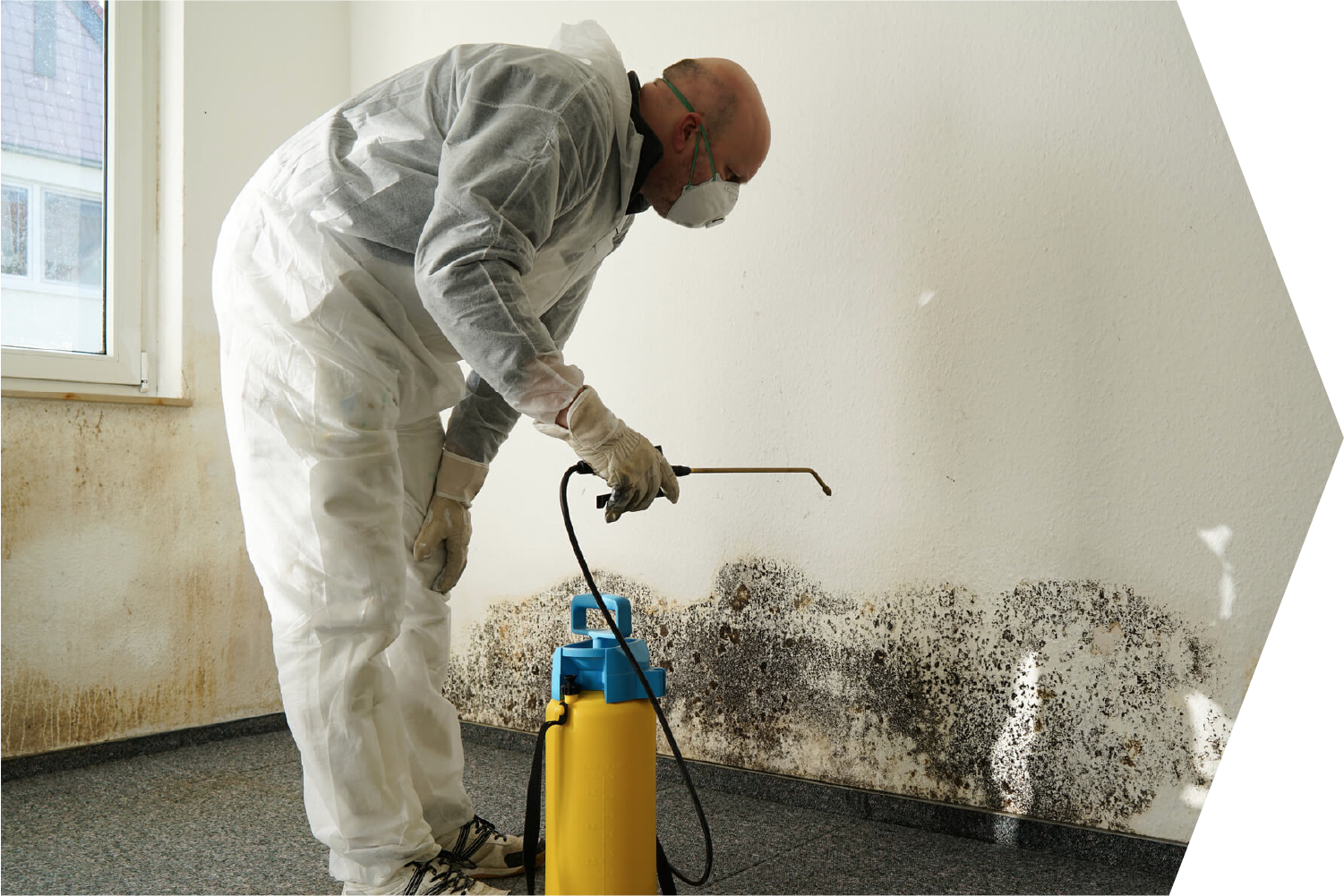
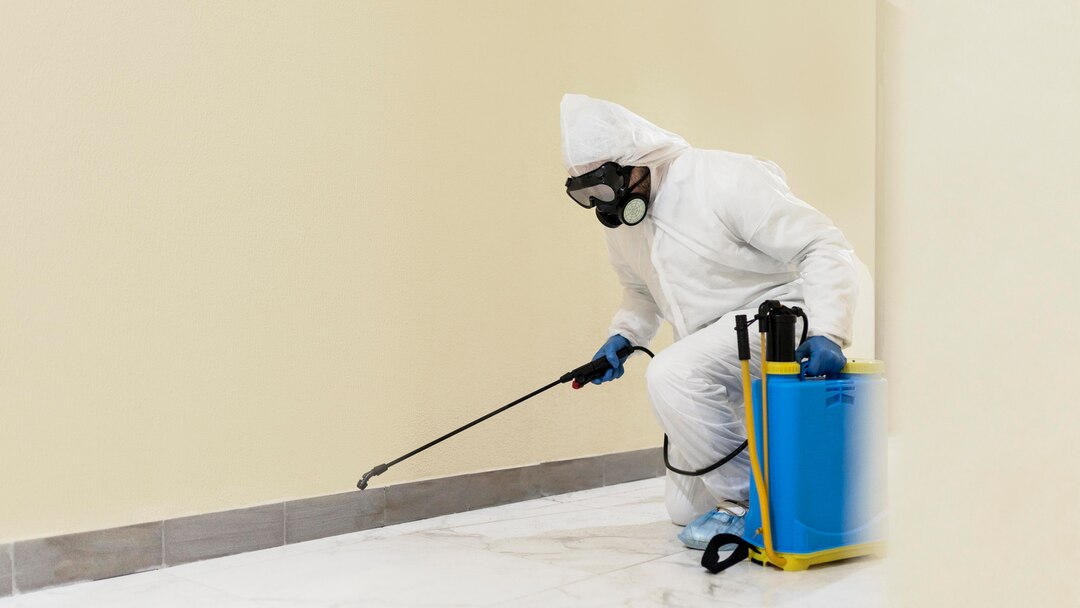
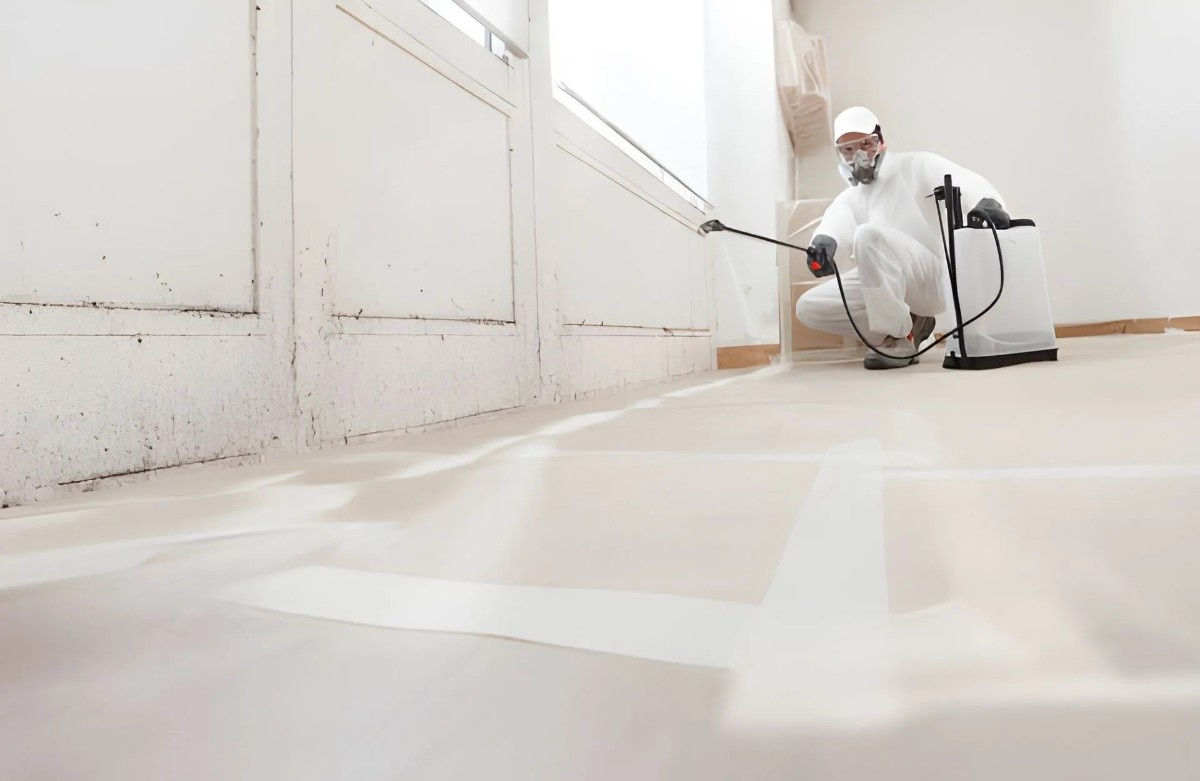
Certified mold remediation is a structured process that identifies, contains, removes, and prevents mold growth using industry-approved methods. It’s different from simply scrubbing a moldy patch with bleach and hoping it doesn’t come back.
A certified remediation team, like the specialists at Colorado Field Services who hold credentials from NORMI® (National Organization of Remediators & Mold Inspectors), follows a documented process. That includes moisture diagnostics, containment barriers, HEPA filtration, safe removal of affected materials, and post-remediation verification testing.
Why does certification matter so much? Because mold isn’t just a cosmetic issue. It’s a biological one. And biological problems need trained professionals, not guesswork.
Mold isn’t rare. It’s actually one of the most common indoor air quality issues across American households, and it doesn’t discriminate by climate, home age, or budget.
Here’s why it matters so much:
According to the CDC, indoor mold growth should be addressed regardless of the mold species present, because all mold has the potential to cause health effects under certain conditions.
Castle Pines sits at a higher elevation with a semi-arid climate, but don’t let that fool you into thinking mold isn’t a concern here. Colorado’s freeze-thaw cycles, spring snowmelt, and sudden summer downpours create the perfect setup for moisture intrusion.
Basements and crawl spaces in this region are particularly vulnerable. Water can seep in through foundation cracks after snow melts, and homeowners often don’t notice until there’s already visible growth or a persistent musty odor.
Newer construction homes aren’t immune either. Poor ventilation, tightly sealed windows built for energy efficiency, and inconsistent humidity control can trap moisture indoors, giving mold exactly what it needs to thrive.
| Factor | Impact on Castle Pines Homes |
| Snowmelt and spring runoff | Increases foundation and basement moisture |
| High-elevation humidity swings | Creates condensation inside walls and windows |
| Energy-efficient sealed construction | Traps indoor moisture, reduces natural airflow |
| Older plumbing systems | Higher risk of slow, undetected leaks |
| Seasonal storms | Roof and gutter damage leading to water intrusion |
Not sure if what you’re dealing with is a mold problem? Ask yourself these questions:
If you answered yes to even one of these, it’s worth scheduling an inspection. Waiting rarely helps. Mold spreads quietly, and the longer it sits, the more expensive remediation becomes.
A lot of homeowners try the DIY route first, and that’s understandable. A bottle of bleach feels like a quick fix. But here’s the catch: bleach only kills surface mold. It doesn’t reach mold growing inside porous materials like drywall or wood, and it definitely doesn’t fix the moisture source causing the mold in the first place.
A certified mold remediation company does three things DIY methods can’t:
Think of it this way: mopping up a puddle doesn’t fix a leaking pipe. Removing visible mold doesn’t fix hidden moisture. You need both problems solved, not just one.
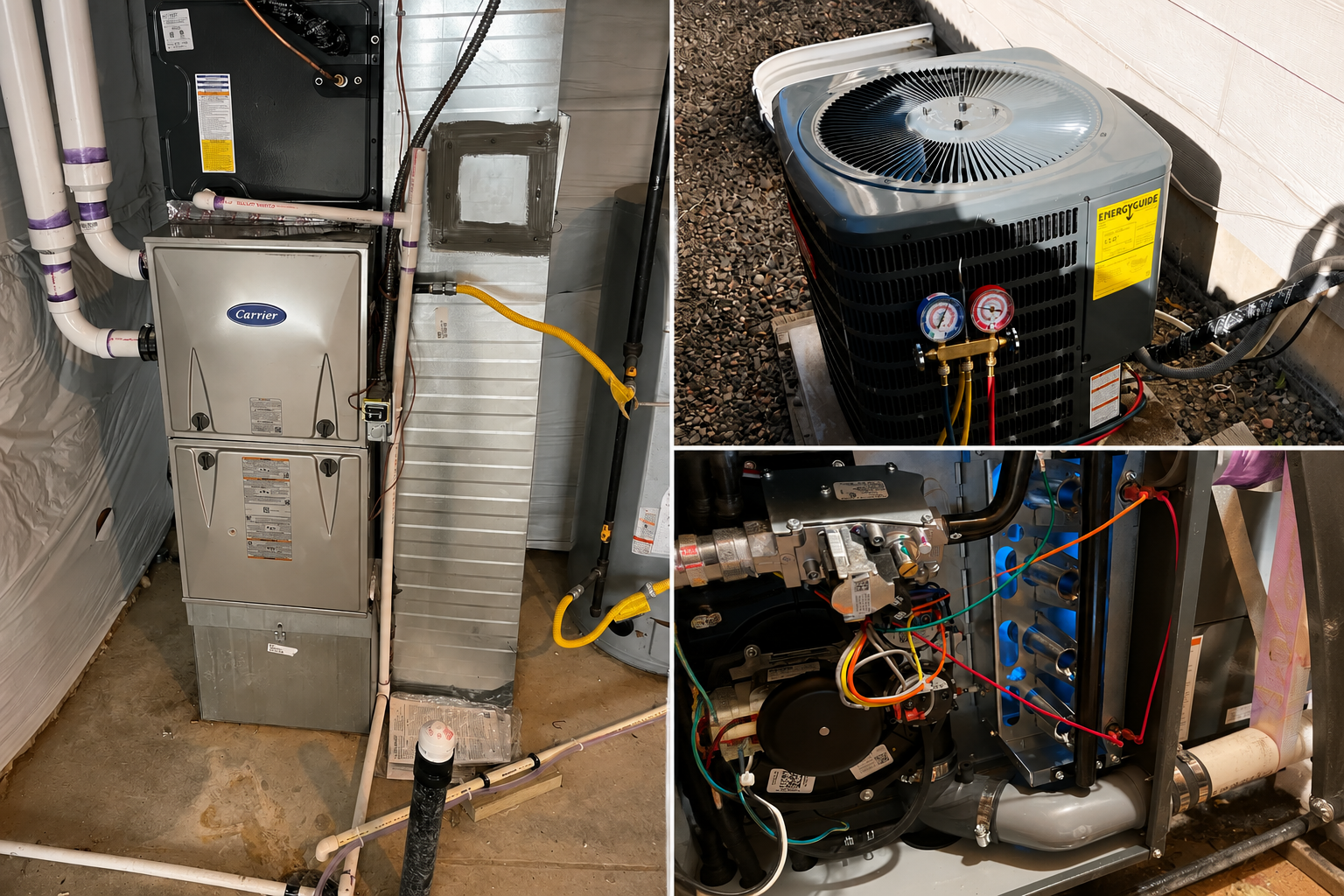
At Colorado Field Services, every job starts with a full indoor air quality (IAQ) assessment and moisture diagnostic. This step matters because mold remediation without understanding the moisture source is a temporary fix at best.
From there, the process typically includes:
As a certified and credentialed professional mold remediation company, Colorado Field Services works with homeowners, property managers, real estate agents, and insurance professionals across Castle Pines and the surrounding region. Every project follows documented, science-backed protocols instead of shortcuts.
Mold doesn’t send a warning text before it takes over your walls. A small leak today can turn into a major air quality issue in just a few weeks. The good news is that certified mold remediation, done right the first time, protects both your home’s structure and your family’s health.
If you have noticed musty odors, water stains, or unexplained allergy flare-ups in your Castle Pines home, don’t wait for the problem to grow. Reach out to Colorado Field Services for a professional indoor air quality assessment and certified mold remediation you can trust.
Contact Colorado Field Services today to schedule your mold inspection and take the first step toward a healthier home.
 basement finishing
Bathroom Renovation
Blog Category
Concrete Patio Installation
Concrete Sidewalk Installers
Countertop Installation Services
Emergency HVAC Service
Exterior Painting Castle Pines
General Contractor
Granite Countertop
Granite Countertops
Heating System Installation
Indoor Air Quality
Interior Painting
Mold Remediation
mold remediation colorado
Painting Contractors
Poured Concrete Services
Quartz Countertop Installation
Quartz Kitchen Countertop Installation
Residential Concrete Services
Tenant Improvement
Uncategorized
basement finishing
Bathroom Renovation
Blog Category
Concrete Patio Installation
Concrete Sidewalk Installers
Countertop Installation Services
Emergency HVAC Service
Exterior Painting Castle Pines
General Contractor
Granite Countertop
Granite Countertops
Heating System Installation
Indoor Air Quality
Interior Painting
Mold Remediation
mold remediation colorado
Painting Contractors
Poured Concrete Services
Quartz Countertop Installation
Quartz Kitchen Countertop Installation
Residential Concrete Services
Tenant Improvement
Uncategorized