The EPA has said it plainly for years: indoor air can carry two to five times more pollutants than the air right outside your front door. That single fact changes how a lot of homeowners think about the rooms they sleep, cook, and raise their kids in. At Colorado Field Services, we run IAQ mold testing in Castle Pines, CO, for homeowners who notice something is off with their air but can’t quite name it. Maybe it’s a musty smell near the basement stairs. Maybe it’s a cough that won’t quit. Whatever brought you here, this guide walks you through what IAQ mold testing actually is, why it matters, and how it protects your home for years to come.
IAQ mold testing is a straightforward process. A technician visits your home, collects air and surface samples, and sends them to a lab to check for mold spores and other airborne contaminants. Simple, right? It sounds simple because it is, but the results carry a lot of weight. They tell you whether the air in your Castle Pines home is safe to breathe every single day.
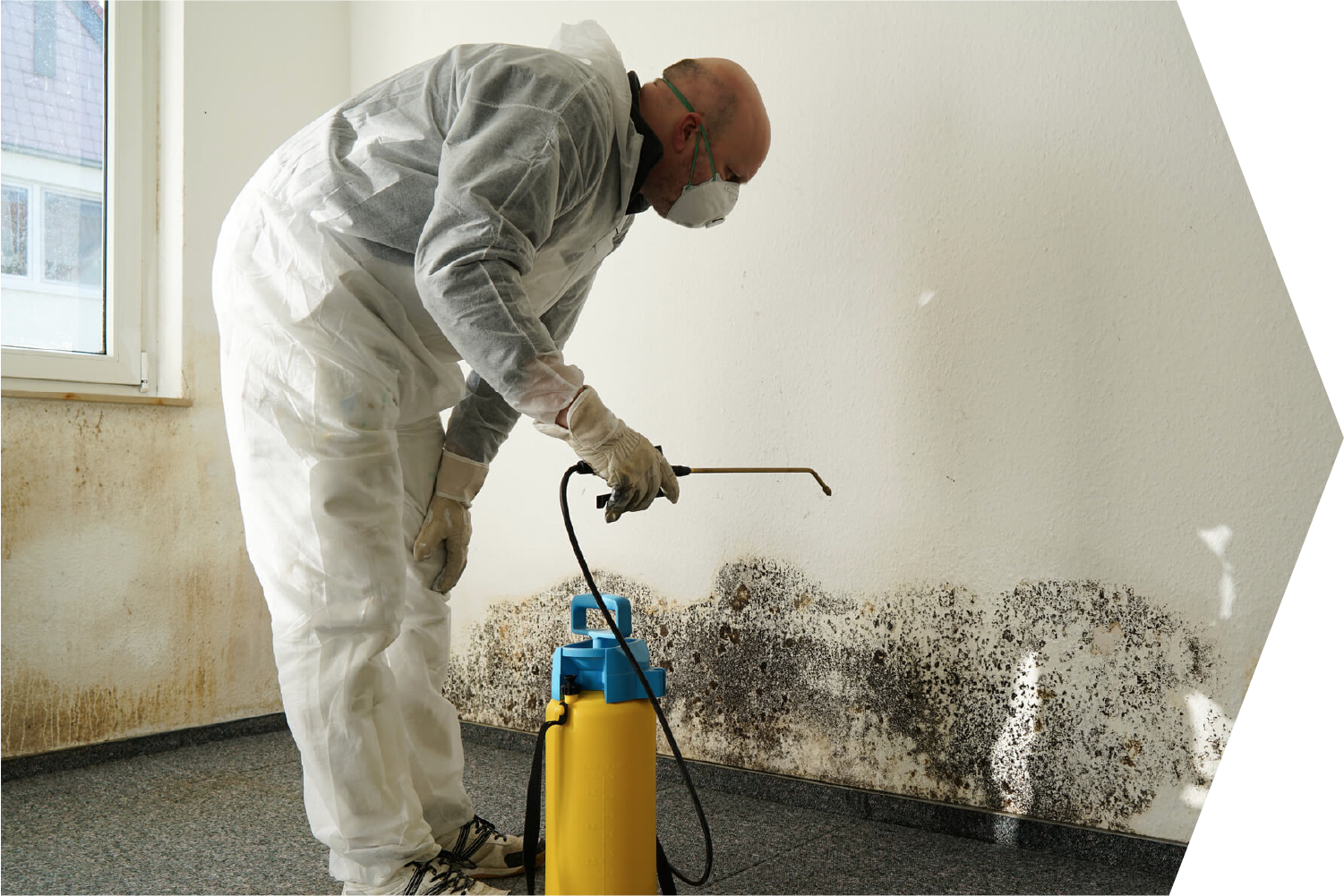
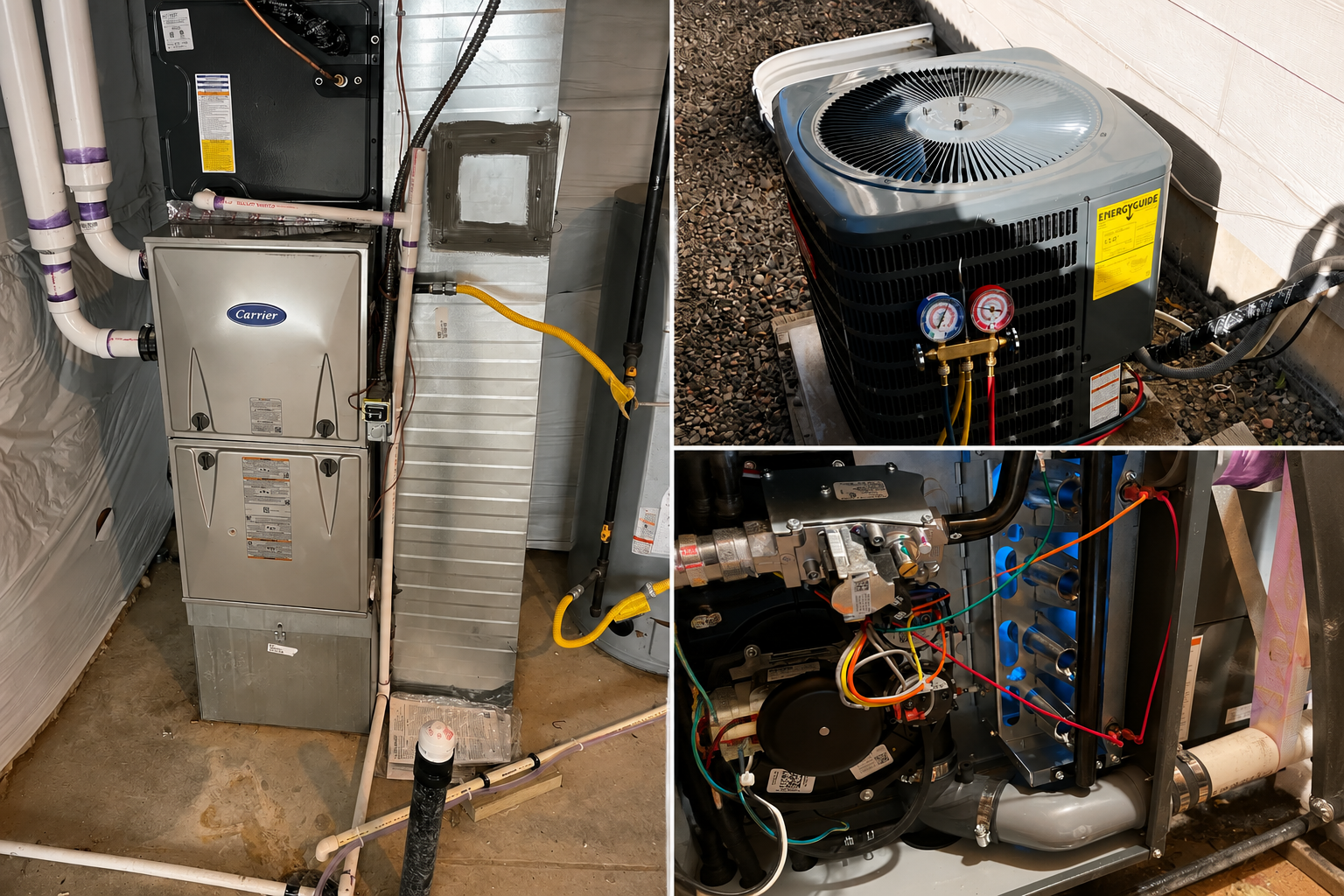
Mold doesn’t always show up as a black stain on your ceiling. Sometimes it hides inside walls, under carpets, or behind your HVAC ductwork. You won’t see it. You might not even smell it right away. That’s exactly why testing matters more than guessing.
Castle Pines sits at a higher elevation with cold winters and warm, dry summers. Homes here often run humidifiers in winter and stay closed up tight to conserve heat. That combination, closed windows plus added moisture, creates a near-perfect environment for mold to grow quietly in the background.
Add in older homes with aging insulation or newer homes built fast during a construction boom, and you get a mix of conditions where moisture can sneak in through small gaps nobody notices. A slow leak under a sink. Condensation in an attic. A crawl space that never quite dries out. None of these problems announce themselves loudly. They build up over weeks and months.
That’s the real value of IAQ mold testing. It catches the problem before it turns into a full-blown remediation project. Think of it like a checkup for your house. You wouldn’t skip your own annual physical, so why skip one for the place where you spend most of your life?
Mold isn’t just a Colorado problem. It’s a nationwide issue, and it shows up differently depending on climate, humidity, and building age. Here’s a quick breakdown.
| Region Type | Common Mold Trigger | Typical Impact on Homes |
| High-humidity coastal areas | Constant moisture in the air | Faster mold growth, frequent HVAC issues |
| Cold climates like Colorado | Condensation from heating systems | Hidden mold in attics and crawl spaces |
| Older homes nationwide | Aging plumbing and roofing | Slow leaks leading to long-term spore buildup |
| New construction | Trapped moisture during building | Mold behind drywall before move-in |
| Basements and lower levels | Poor ventilation, groundwater seepage | Musty odors, structural damage over time |
The pattern is clear across every region. Wherever moisture and poor airflow meet, mold finds a way in. Castle Pines homes deal with their own version of this problem, shaped by elevation and seasonal humidity swings.
You don’t need to wait for a health scare to book a test. Watch for these everyday clues instead.
Notice any of these? It’s worth a call. Waiting rarely makes the problem smaller.
Here’s what actually happens when our team shows up at your door.
First, we walk through your home and talk with you about your concerns. Where’s the smell strongest? Has anyone had a leak recently? These questions guide where we test.
Next, we collect air samples from multiple rooms, along with surface samples from any suspicious spots. This part takes less time than most homeowners expect, usually under an hour for an average-sized home.
After that, samples head to an accredited lab for analysis. Once results come back, we walk you through exactly what was found, in plain language, with no confusing jargon. If mold is present, we explain your options clearly and answer every question you have.
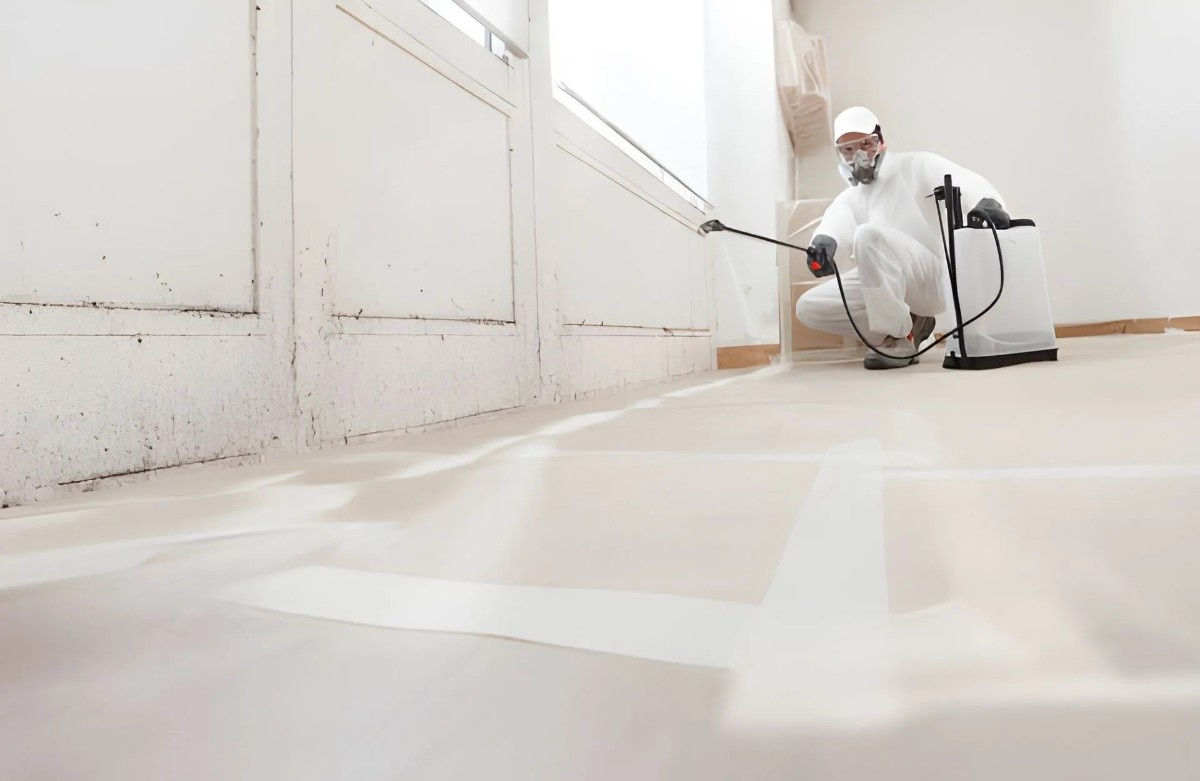
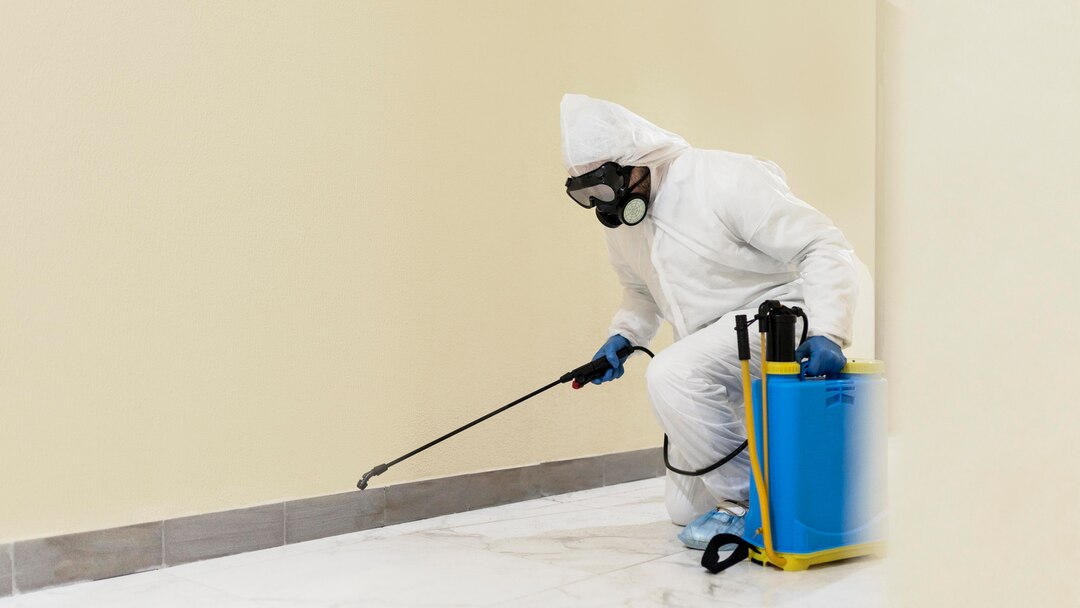
Finding mold is only half the job. The other half is removing it safely, and that’s where licensed mold remediation makes all the difference. A licensed team follows strict containment procedures so spores don’t spread to unaffected areas during cleanup. They also know how to treat the root cause, not just the visible symptom, which means you’re far less likely to see the same problem return six months later.
Skipping this step, or hiring an unlicensed crew to save a few dollars, often costs more in the long run. Improper remediation can push mold deeper into your home’s structure instead of removing it.
Your home should feel like the safest place on earth, not a source of hidden stress. IAQ mold testing gives you the facts instead of guesswork, and facts are what let you make smart decisions for your family. Whether you have noticed a strange smell or you simply want peace of mind before winter sets in, testing early always beats fixing a bigger mess later.
Contact Colorado Field Services today to schedule your IAQ mold testing and take the guesswork out of your home’s air quality.
 basement finishing
Bathroom Renovation
Blog Category
Concrete Patio Installation
Concrete Sidewalk Installers
Countertop Installation Services
Emergency HVAC Service
Exterior Painting Castle Pines
General Contractor
Granite Countertop
Granite Countertops
Heating System Installation
Indoor Air Quality
Interior Painting
Mold Remediation
mold remediation colorado
Painting Contractors
Poured Concrete Services
Quartz Countertop Installation
Quartz Kitchen Countertop Installation
Residential Concrete Services
Tenant Improvement
Uncategorized
basement finishing
Bathroom Renovation
Blog Category
Concrete Patio Installation
Concrete Sidewalk Installers
Countertop Installation Services
Emergency HVAC Service
Exterior Painting Castle Pines
General Contractor
Granite Countertop
Granite Countertops
Heating System Installation
Indoor Air Quality
Interior Painting
Mold Remediation
mold remediation colorado
Painting Contractors
Poured Concrete Services
Quartz Countertop Installation
Quartz Kitchen Countertop Installation
Residential Concrete Services
Tenant Improvement
Uncategorized