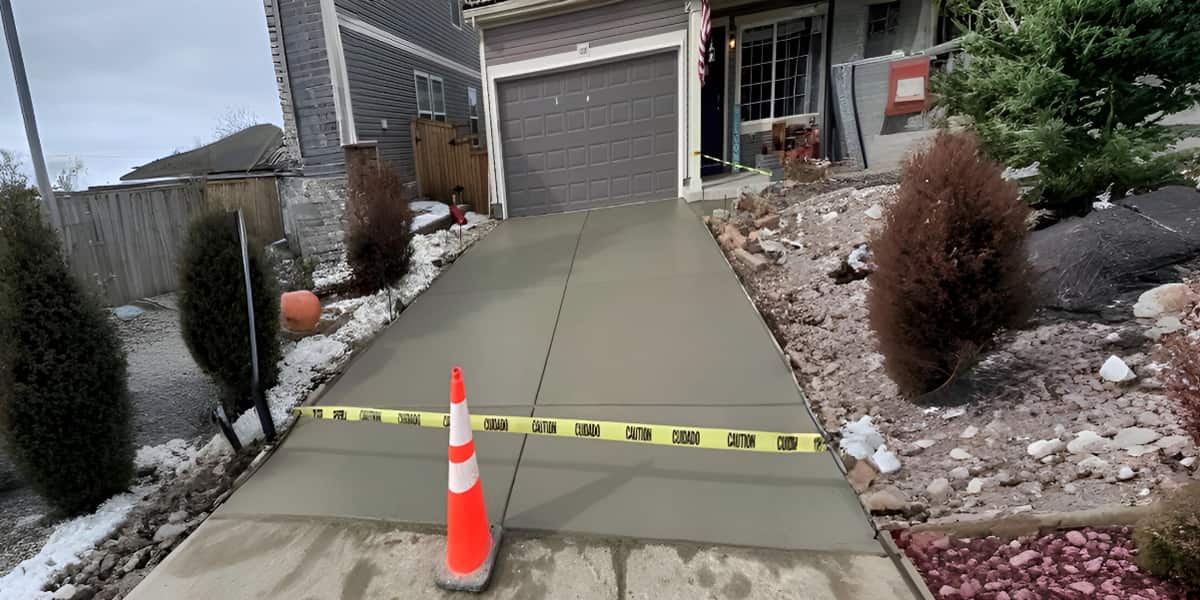
Concrete sidewalks do more than provide a place to walk. A well-planned sidewalk can make a home easier to access, safer during everyday use, and more visually connected to the surrounding property. In Castle Pines, where homes often feature spacious yards, sloped lots, landscaped entrances, and outdoor living areas, a properly installed concrete walkway can become an important part of the property rather than an afterthought.
A sidewalk may look simple once finished. Underneath that smooth surface, however, several details affect how well it performs. Soil conditions, grading, drainage, concrete thickness, reinforcement, joint placement, finishing, and curing all play a role in the final result.
For homeowners considering concrete sidewalk installation, understanding these details can make it easier to plan the right project and avoid common problems later.
Concrete sidewalk installation involves much more than pouring wet concrete into a prepared shape. The process starts with evaluating the area where the walkway will go and determining how the surface should connect with the home, driveway, yard, steps, patio, or other outdoor areas.
The ground must provide a stable base. If the soil shifts or settles unevenly, the concrete can crack or become uneven. Proper grading also matters because water needs a suitable path away from the home and walking surface.
A typical project may involve
Each stage contributes to the finished sidewalk. A visually attractive surface cannot compensate for poor preparation underneath it.
A sidewalk connects different parts of a property. It can guide people from the driveway to the front entrance, connect a backyard patio to the rest of the property, or create a defined route around landscaped areas.
This becomes especially useful on larger residential properties where walking directly across grass, gravel, or uneven ground may not be convenient.
A dedicated concrete walkway can also help reduce foot traffic across lawn areas. During wet weather, this can mean less mud and fewer worn patches along commonly used paths.
For homeowners, the goal is not simply to add more concrete. The goal is to create a useful route that fits naturally into the property.
A sidewalk can influence how a property looks and functions in several ways.
A firm, level walking surface makes it easier to move between the driveway, front door, backyard, garage, and other areas. This can be particularly useful for households that frequently carry groceries, outdoor equipment, packages, or furniture.
A concrete path gives the yard a clear structure. Instead of having people create informal walking routes across grass or landscaping, the sidewalk establishes a defined path.
Uneven soil, loose gravel, muddy areas, and worn lawn paths can make walking less comfortable. A properly designed concrete sidewalk provides a stable surface for regular foot traffic.
The front walkway is often one of the first exterior features visitors notice. A clean, well-proportioned sidewalk can complement the driveway, landscaping, entryway, and architecture of the home.
A sidewalk does not have to stop at the front entrance. A walkway can connect a patio, garden, seating area, pool area, or other outdoor feature to the rest of the property.
Concrete remains a common choice for residential sidewalks across the United States because it offers a useful combination of strength, versatility, and relatively simple upkeep.
A quality sidewalk project begins before the concrete truck arrives.
The installation area should be evaluated for slope, soil conditions, existing surfaces, drainage, landscaping, and access. The sidewalk also needs to connect properly with existing concrete or other surfaces.
The proposed route is marked out before excavation begins. This is the stage where curves, widths, transitions, and connection points can be considered.
A well-planned layout avoids awkward turns and helps the sidewalk look like part of the original property design.
The ground beneath the concrete needs attention. Loose or unsuitable material may need removal, followed by placement and compaction of a suitable base. This step matters because the concrete slab depends on the support underneath it.
Forms create the boundaries of the sidewalk. They determine its width, shape, and elevation. Good formwork also helps create clean edges and consistent transitions.
The concrete is placed into the prepared forms and distributed across the surface. Workers then level and finish the material according to the selected design.
Control joints help manage where cracking may occur as concrete naturally shrinks and responds to temperature changes. Their placement should be considered as part of the design rather than treated as an afterthought.
The surface receives its selected finish before the concrete begins to harden. The curing period then gives the concrete time to develop strength.
Homeowners should avoid putting unnecessary traffic or weight on a new sidewalk before it is ready for normal use.
Weather plays a major role in exterior concrete performance.
Castle Pines experiences seasonal temperature changes, including cold conditions and snow. Moisture can also enter small openings in concrete. When water freezes and expands, it can place additional stress on the material.
This is one reason proper installation matters.
Drainage also deserves attention. Water should not remain against the sidewalk or collect near the home. Good grading and thoughtful site planning can help direct water toward appropriate drainage areas.
Homeowners should also avoid assuming that every crack means the entire sidewalk has failed. Small cracks and major structural movement are very different problems. The cause, size, location, and movement of the damage should be evaluated before deciding on repair or replacement.
Before scheduling concrete sidewalk installation, homeowners should think about how the path will be used.
Ask a few basic questions
These questions can prevent design changes after the work begins.
The width and shape should also suit the property. A narrow walkway may work well in one area, while a wider path may make more sense near an entry or outdoor entertaining space.
Concrete does not have to look identical on every property.
A traditional broom finish offers a simple appearance and adds texture to the surface. This approach works well for homeowners who prefer a clean and practical walkway.
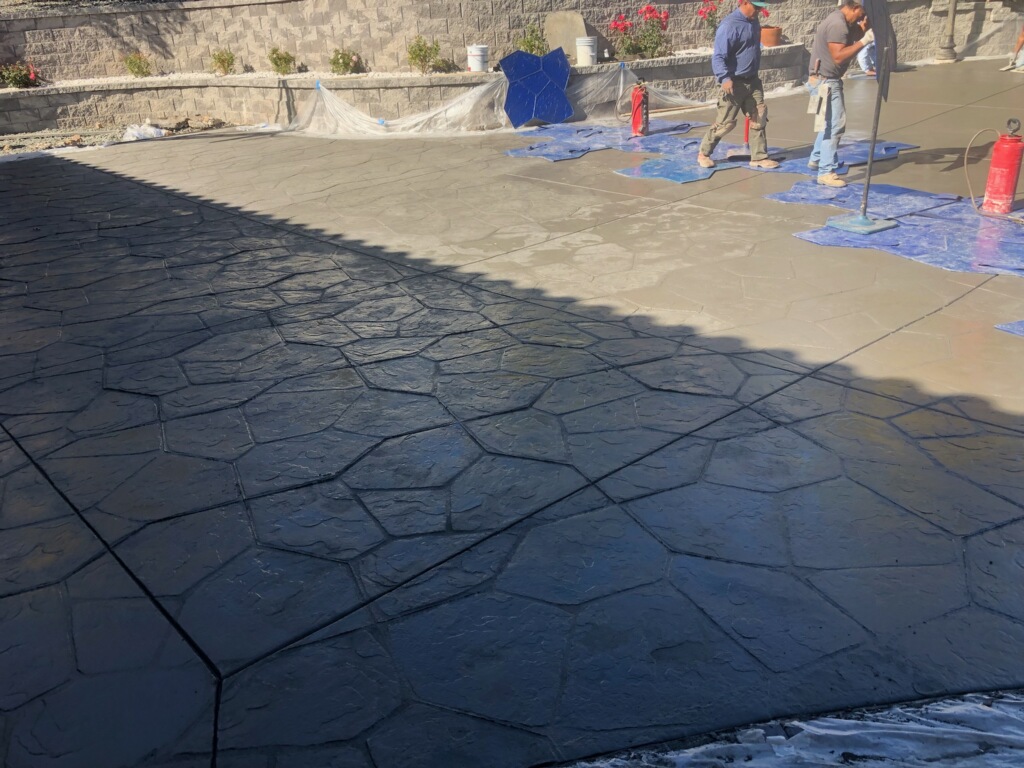
Decorative concrete can provide more visual character. Depending on the project, homeowners may consider color, patterns, borders, or stamped textures.
The best option should fit the home rather than compete with it. A highly decorative sidewalk may not suit a property with a simple architectural style, while a more detailed finish can complement a carefully designed outdoor space.
Yes. One of the most useful benefits of a sidewalk is the connection it creates.
Consider a backyard with a patio located several steps away from the driveway. Without a defined path, people may walk across the grass or create an informal trail. A concrete sidewalk can connect these areas and make the outdoor space easier to use.
This becomes even more useful when the sidewalk works alongside other concrete features.
For example, a homeowner planning concrete patio installation may also want a walkway that connects the patio to the side entrance, driveway, or garden area. Planning both features together can create a more unified outdoor layout.
Sidewalks and patios serve different purposes, but they can work together as part of one outdoor plan.
A patio creates space for seating, dining, recreation, or relaxation. A sidewalk creates movement between spaces.
When these features connect properly, the backyard can feel more intentional. The walkway can lead directly into the patio area, creating a natural transition between circulation and outdoor living.
Colorado Field Services approaches concrete projects with this bigger picture in mind. The surface itself matters, but so does how the finished work fits the property.
Even durable concrete can develop problems when conditions are unfavorable or installation is rushed.
Some cracking can occur naturally as concrete cures and responds to temperature changes. Poor base preparation, drainage issues, excessive loads, or improper joint placement can contribute to more serious cracking.
Settlement can create differences in elevation between sections of a sidewalk. This can become a tripping concern and may also allow water to collect.
Poor grading can leave water sitting on or beside the concrete. Over time, repeated moisture exposure can contribute to surface deterioration and other drainage-related issues.
Concrete that experiences repeated moisture, freezing conditions, heavy use, or improper finishing may develop surface problems.
A new sidewalk that meets a driveway, step, patio, or foundation needs a carefully considered transition. Poor connections can create gaps or uneven areas.
These problems show why the preparation stage deserves as much attention as the visible finish.
Concrete work may look straightforward from the outside. In practice, timing and technique matter.
Concrete has a limited working window once it is placed. The crew must complete leveling, finishing, joint work, and other tasks at the appropriate stages.
Professional installation also helps homeowners address site conditions before they become expensive problems. Soil movement, slope, drainage, access, and connections to existing surfaces all need consideration.
For a residential property in Castle Pines, the finished sidewalk should serve a purpose, fit the home, and perform through changing seasons.
A concrete sidewalk can be one of the simplest ways to make a residential property more functional. It creates a stable walking route, organizes outdoor space, supports access, and can complement the appearance of a home. The quality of the finished surface depends heavily on what happens underneath it.
For Castle Pines homeowners, thoughtful planning is particularly important because slope, drainage, seasonal weather, landscaping, and existing concrete features can all affect the project.
Colorado Field Services provides concrete services designed around the needs of each property. Whether the project involves a new walkway, patio, slab, or another concrete feature, proper preparation and careful execution can help create a finished surface that serves the property for years.
If a new sidewalk is part of a larger outdoor improvement plan, contact Colorado Field Services to discuss the property, project goals, layout, and concrete options.
1. How long does a concrete patio last?
A properly installed and maintained concrete patio can last for decades. Several sources place the expected lifespan of a well-maintained concrete patio around 30 to 50 years, although climate, soil conditions, installation quality, usage, and maintenance can change that range.
2. How thick should a concrete patio be?
A standard residential concrete patio is commonly around 4 inches thick. Patios designed to carry heavier loads, such as a hot tub or substantial outdoor kitchen, may require additional thickness and reinforcement based on the project requirements.
3. Is concrete cheaper than pavers for a patio?
Plain poured concrete is often less expensive to install than many paver options because paver installation generally involves more individual pieces and labor. The final cost depends on the size, site preparation, finish, design, and local labor conditions.
4. How much does a concrete patio cost?
There is no single price that applies to every project. Size, site conditions, access, thickness, finish, design complexity, and preparation requirements can all affect the final cost. Current national cost guides show wide ranges, so a property-specific estimate is more useful than relying on a single average.
5. Are concrete patios a good idea?
Concrete patios can be a practical choice for homeowners who want a durable outdoor surface with relatively simple maintenance and several design options. Proper installation remains important because drainage, soil movement, cracking, and weather exposure can affect long-term performance.
6. Can a concrete patio be customized?
Yes. Concrete can be finished in several ways, including broom finishes, exposed aggregate, staining, coloring, and stamped patterns. These options allow homeowners to choose a surface that better matches the style of the home and surrounding outdoor space.
 basement finishing
Bathroom Renovation
Blog Category
Concrete Patio Installation
Concrete Sidewalk Installers
Countertop Installation Services
Emergency HVAC Service
Exterior Painting Castle Pines
General Contractor
Granite Countertop
Granite Countertops
Heating System Installation
Indoor Air Quality
Interior Painting
Mold Remediation
mold remediation colorado
Painting Contractors
Poured Concrete Services
Quartz Countertop Installation
Quartz Kitchen Countertop Installation
Residential Concrete Services
Tenant Improvement
Uncategorized
basement finishing
Bathroom Renovation
Blog Category
Concrete Patio Installation
Concrete Sidewalk Installers
Countertop Installation Services
Emergency HVAC Service
Exterior Painting Castle Pines
General Contractor
Granite Countertop
Granite Countertops
Heating System Installation
Indoor Air Quality
Interior Painting
Mold Remediation
mold remediation colorado
Painting Contractors
Poured Concrete Services
Quartz Countertop Installation
Quartz Kitchen Countertop Installation
Residential Concrete Services
Tenant Improvement
Uncategorized