A bathroom can look fine at first glance and still be one of the most frustrating rooms in a home. A cramped layout, poor lighting, worn flooring, outdated fixtures, weak ventilation, or a shower that no longer fits the household can turn an everyday routine into a daily inconvenience. For many American homeowners, bathroom remodeling is not simply about making the room look newer. It is about making the space work better.
That is where professional bathroom remodeling services can make a meaningful difference. In Colorado, remodeling decisions also need to account for the age and construction of the home, local requirements, changing household needs, moisture control, and the demands of the region’s climate.
Bathrooms work hard. They deal with daily moisture, plumbing, cleaning products, changing temperatures, and constant foot traffic. Over time, those conditions can expose weaknesses that are easy to overlook.
A loose tile may seem minor. A dated vanity may only be inconvenient. Poor ventilation may simply make the mirror foggy every morning. But when several small problems appear together, the bathroom may no longer serve the household properly.
Colorado homes can also vary widely in age and design. A bathroom in an older property may have a very different layout and infrastructure from one in a recently built home. Remodeling gives homeowners an opportunity to look beyond surface finishes and consider how the room actually functions.
The right project might involve a full transformation. In another home, replacing the shower, improving storage, updating lighting, and addressing ventilation may provide the better solution.
The goal should not be to remodel everything simply because it is possible. The goal should be to fix what is not working and create a room that makes sense for the people using it.
How do you know when a bathroom needs remodeling rather than a few new accessories?
Look at how the room performs during an ordinary week.
Common warning signs include
A bathroom can also become unsuitable as a household changes. A growing family may need more storage. Older homeowners may want safer access. Someone preparing to sell may want a cleaner, more functional space that appeals to a wider range of buyers.
Bathroom remodeling does not follow one fixed formula. The scope depends on the condition of the existing room and what the homeowner wants to accomplish.
A remodeling project may include
| Remodeling Area | Possible Improvements |
|---|---|
| Shower | New enclosure, updated fixtures, improved accessibility |
| Bathtub | Replacement, conversion, or updated surround |
| Vanity | New cabinet, countertop, sink, and storage |
| Flooring | Durable and moisture-resistant flooring |
| Walls | Tile, paint, wall panels, or updated finishes |
| Lighting | Vanity lighting, ceiling fixtures, and improved visibility |
| Plumbing | Fixture replacement or layout changes |
| Storage | Recessed cabinets, shelving, drawers, and niches |
| Ventilation | Improved moisture control and exhaust solutions |
| Accessibility | Walk-in showers, grab bars, seating, and safer flooring |
Some homeowners want a complete redesign. Others simply want to solve the parts of the bathroom that have become difficult to live with.
Both approaches can make sense when the work matches the home’s needs.
A bathroom remodel can influence much more than appearance.
A bathroom should support the morning rush rather than slow it down. Better storage, improved lighting, practical fixture placement, and a more efficient layout can make everyday use easier.
Bathrooms naturally produce moisture. Proper ventilation, suitable materials, and sound installation can help homeowners manage that moisture and protect surrounding surfaces.
A bathroom does not have to feel extravagant to feel comfortable. A larger shower, warmer lighting, better storage, and easy-to-maintain surfaces can change the experience of using the room.
Small bathrooms require smart planning. Removing unnecessary obstacles or rethinking storage can make a compact room feel considerably more usable without expanding the footprint.
Bathroom condition matters when homeowners eventually consider selling. A clean, functional, updated bathroom can contribute to the overall impression of a property. However, the best remodeling decisions usually balance resale appeal with the needs of the people living in the home now.
One of the easiest mistakes is choosing finishes before deciding what the bathroom needs.
Start with function.
Ask simple questions. Where does the room feel cramped? What do you reach for every morning? What is difficult to clean? Is storage missing? Does the shower work for everyone in the household? Does the lighting make grooming easier or harder?
Then consider the layout.
Keeping plumbing in roughly the same location can sometimes simplify a project. Moving plumbing may be worthwhile when the existing arrangement creates major problems, but it can also add complexity and cost.
Material selection deserves the same attention. A beautiful surface is not automatically a practical bathroom surface. Flooring, shower walls, countertops, cabinetry, and fixtures should suit a room that regularly encounters water and humidity.
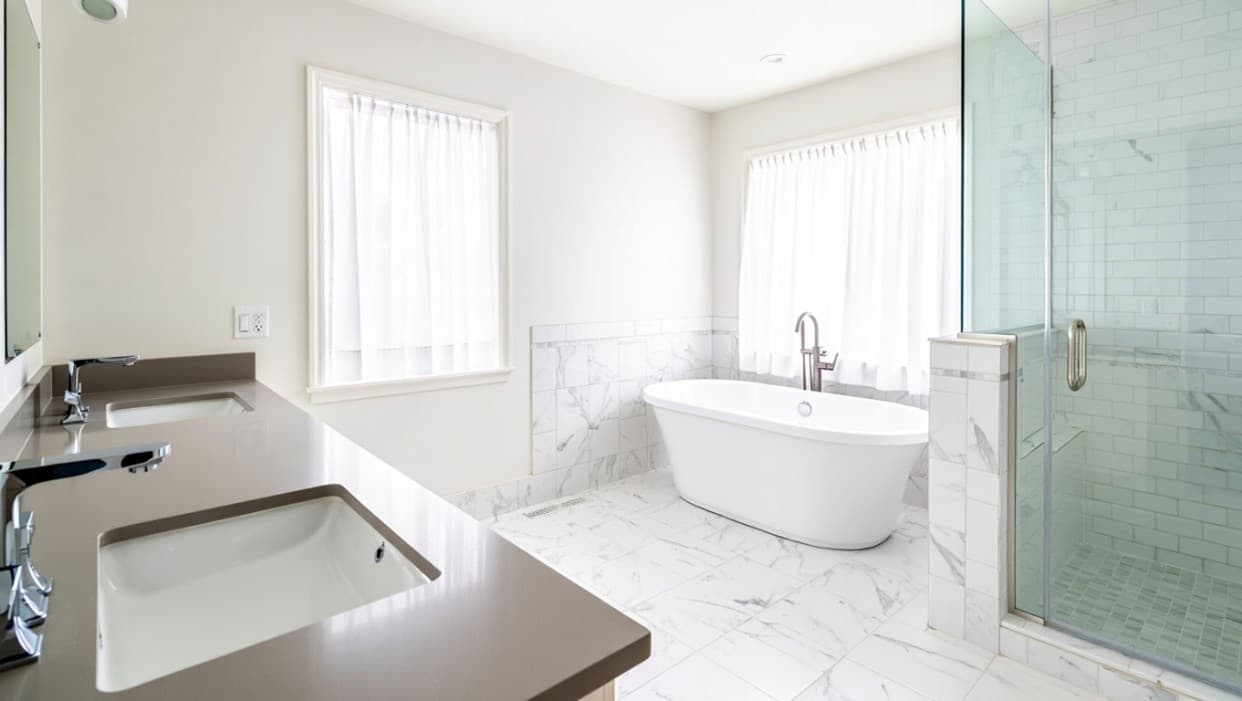
Bathroom design is moving toward comfort and practicality rather than appearance alone. Current remodeling trends include larger showers, spacious vanities, improved storage, better lighting, curbless or low-threshold shower designs, and features that make the bathroom feel more relaxing.
For Colorado homeowners, the important question is not whether a feature is trending. It is whether the feature makes sense for the house.
A large double vanity may be useful for a couple who share the bathroom every morning. A walk-in shower may be more practical than a deep tub for someone who values easier access. Recessed storage may be more useful than decorative furniture in a smaller bathroom.
Good remodeling choices solve real problems.
Start by defining the reason for the remodel.
Is the bathroom outdated? Is it difficult to use? Are there signs of moisture or water damage? Does the family need more storage? Is the homeowner planning to stay for many years?
Once the main objective is clear, establish the project scope and budget.
It is also important to discuss permits and inspections when the work involves plumbing, electrical systems, structural changes, or other work that may fall under local requirements. Requirements can vary by location and project scope, so homeowners should confirm what applies before work begins.
Finally, choose a contractor who understands the full project rather than focusing only on the visible finishes. A bathroom combines several trades in one compact space. Plumbing, electrical work, ventilation, waterproofing, flooring, cabinetry, and finish work all need to work together.
Bathroom remodeling may look straightforward until the walls or flooring come apart.
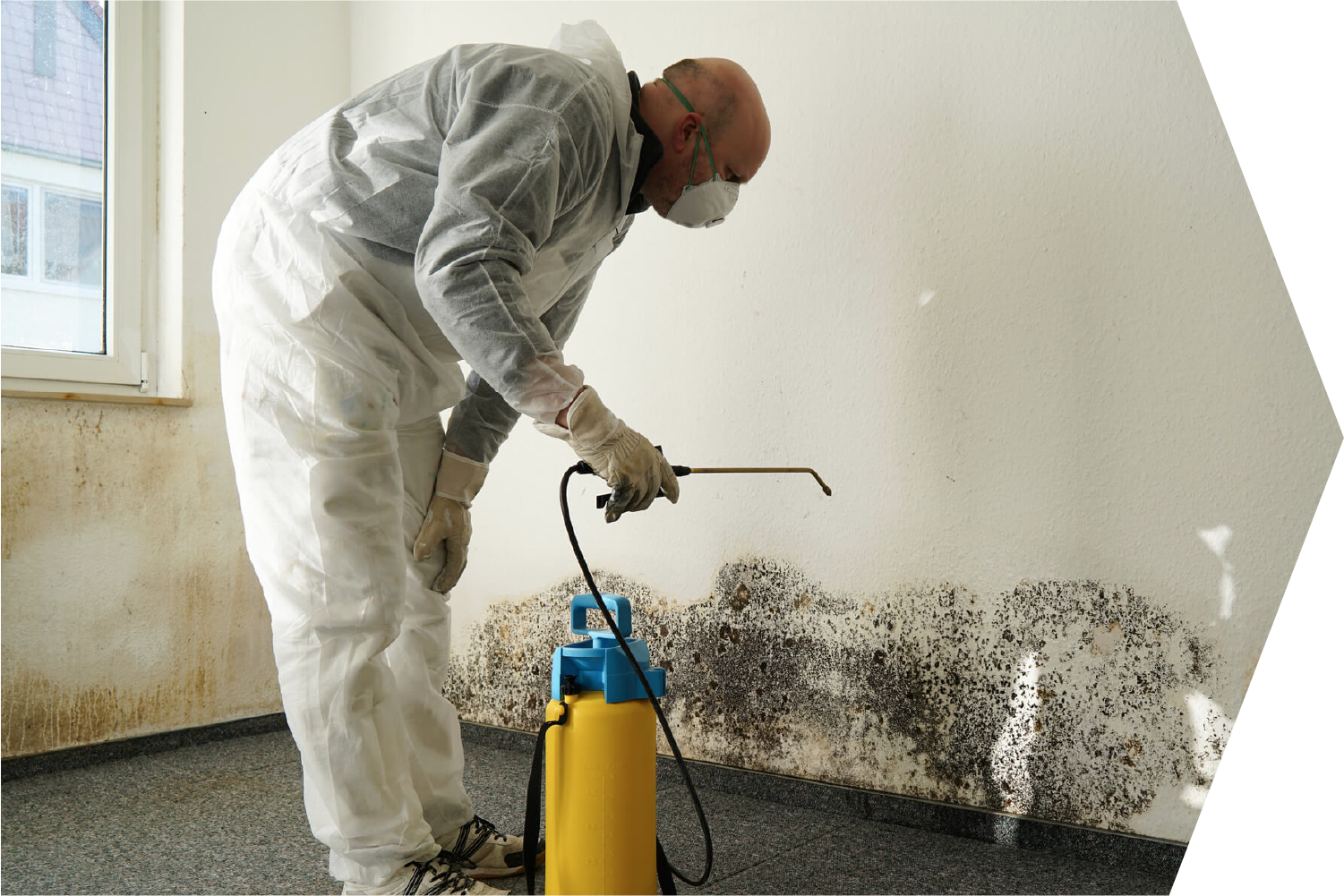
Hidden moisture, damaged materials, outdated plumbing, or unexpected site conditions can change the scope of a project. A professional approach helps identify these issues early and gives homeowners a clearer understanding of what needs attention.
A qualified contractor can also help coordinate the different stages of the work and keep design choices connected to practical requirements.
Colorado Field Services brings a broader construction perspective to home improvement projects. With experience across construction and related residential services, the company helps homeowners approach remodeling as part of the larger condition and function of the property.
A bathroom remodel does not need to follow a showroom trend or copy another home. The strongest result usually comes from understanding what the existing space lacks and then making deliberate improvements.
Whether the project involves a complete redesign, a shower conversion, better storage, updated finishes, or several improvements at once, planning matters.
Homeowners looking for Colorado bathroom remodeling can work with Colorado Field Services to discuss their project, assess the space, and determine the right next steps.
The cost depends on the size of the bathroom, project scope, materials, labor, plumbing changes, fixture choices, and finish level. A cosmetic update will generally require a different budget from a full remodel involving layout changes and new plumbing.
The timeline varies by project. A straightforward update may move faster than a full renovation involving demolition, plumbing changes, electrical work, tile installation, inspections, and custom materials. Material availability and project complexity can also affect the schedule.
Some bathroom remodeling projects require permits and inspections, particularly when the work involves structural changes, plumbing, electrical systems, or changes that fall under local building requirements. Homeowners should check the requirements for their specific location and project before construction begins.
It depends on how the bathroom is used. A walk-in shower can improve accessibility and make better use of space, while a bathtub may remain valuable for families with young children. The best choice depends on the household, available space, and whether another bathroom in the home already has a tub.
In many cases, homeowners can remain in the house during remodeling if another usable bathroom is available. The decision also depends on the size of the project, construction access, noise, dust, and how long the primary bathroom will remain unavailable.
Look for relevant remodeling experience, proper licensing and insurance where required, clear project communication, detailed estimates, and examples of comparable work. It is also useful to ask how the contractor handles unexpected issues, project scheduling, permits, and changes to the original scope.
 basement finishing
Bathroom Renovation
Blog Category
Concrete Patio Installation
Concrete Sidewalk Installers
Countertop Installation Services
Emergency HVAC Service
Exterior Painting Castle Pines
General Contractor
General Contractors
Granite Countertop
Granite Countertops
Heating System Installation
Home Air Quality Inspection
Indoor Air Quality
Interior Painting
Mold Remediation
mold remediation colorado
Painting Contractors
Poured Concrete Services
Quartz Countertop Installation
Quartz Kitchen Countertop Installation
Residential Concrete Services
Tenant Improvement
Uncategorized