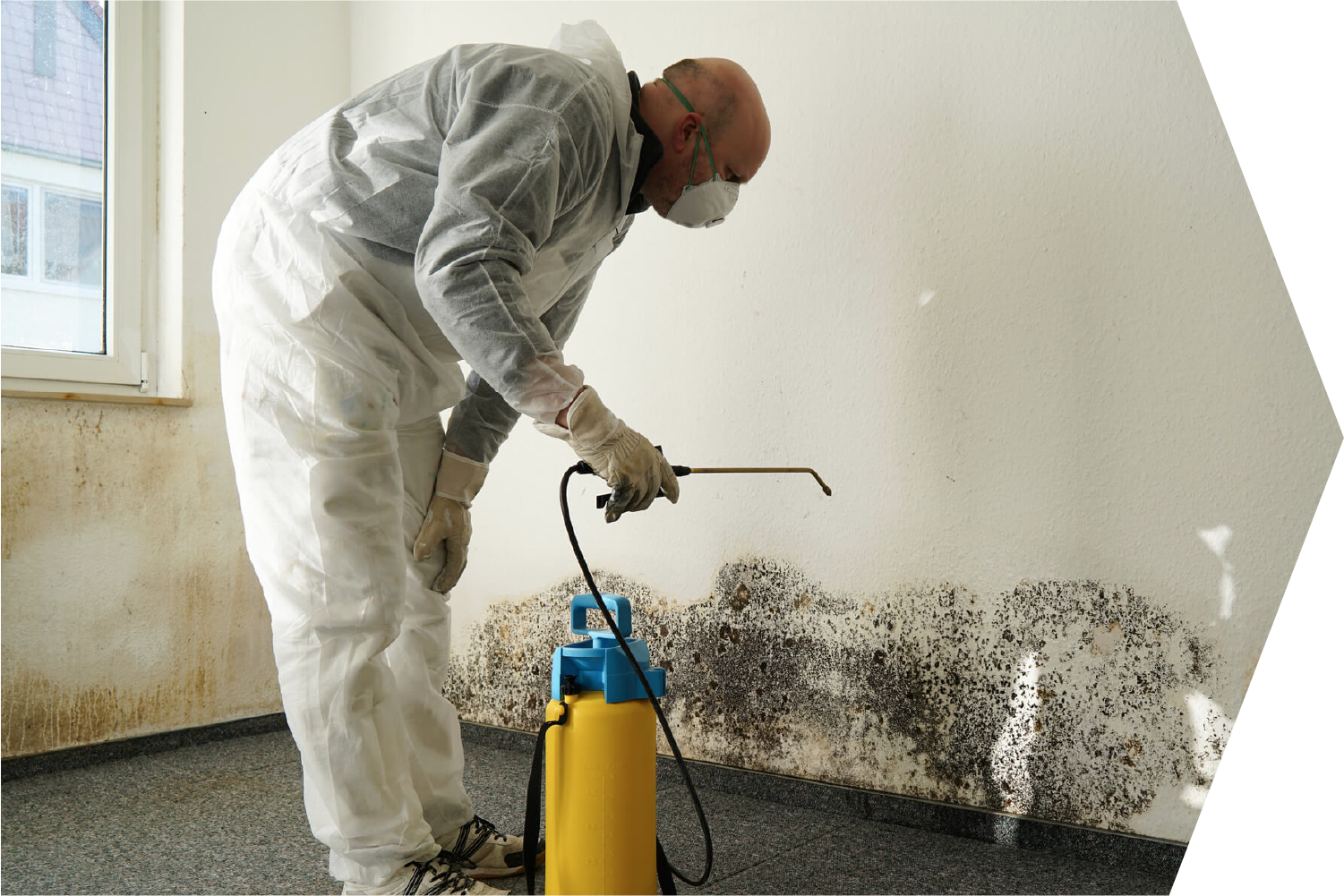

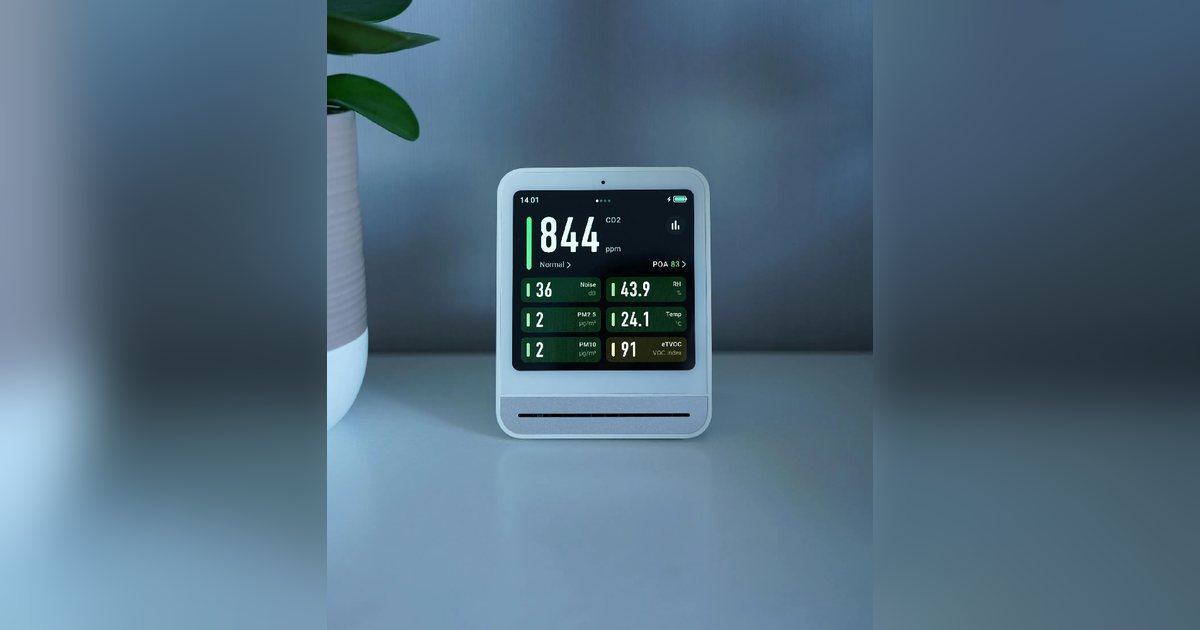
A home can look clean, smell normal, and still have an indoor air problem. The U.S. Environmental Protection Agency notes that indoor air can sometimes be more polluted than outdoor air because pollutants can build up when ventilation is limited. Common concerns include mold, dust, smoke, radon, particulate matter, carbon monoxide, and volatile organic compounds.
For Colorado homeowners, that makes a home air quality inspection near me more than a search for a quick HVAC check. It can help identify what is affecting the air inside the property and where the problem may begin.
What is a Home Air Quality Inspection
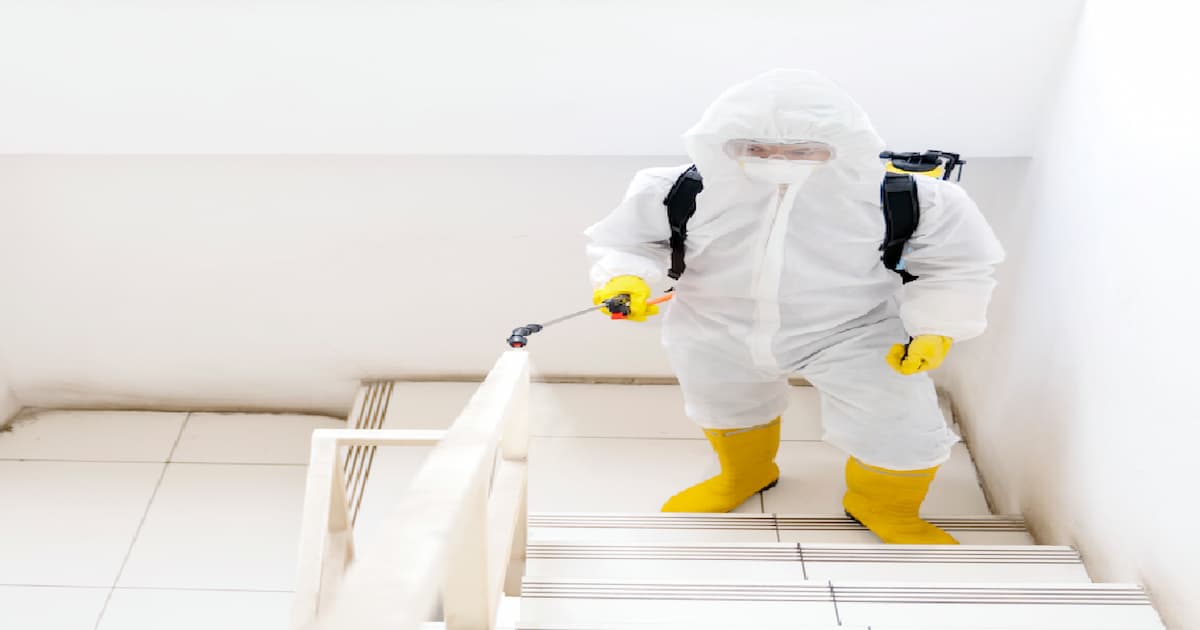
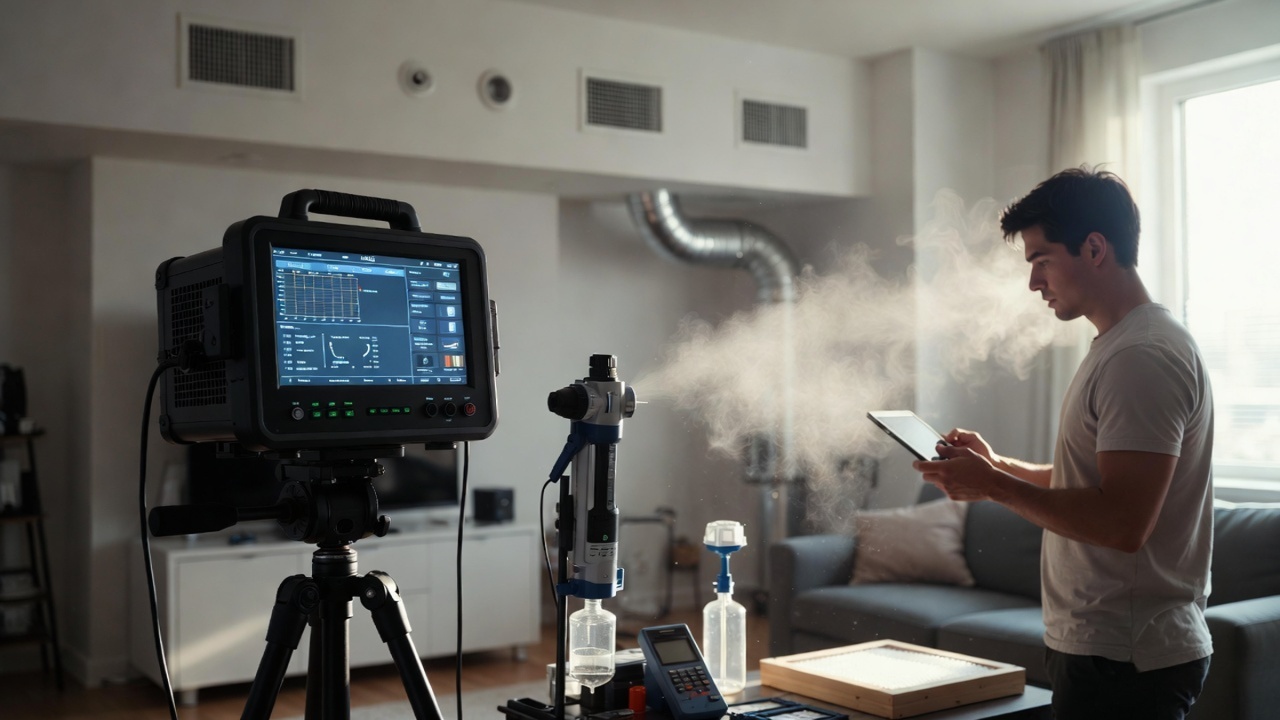
A home air quality inspection looks at conditions that can affect the air occupants breathe. It is not simply a matter of checking whether an HVAC system turns on and off.
Depending on the property and the concerns reported by the homeowner, an inspection may consider ventilation, humidity, airflow, visible moisture, odors, HVAC conditions, particulate matter, and other potential indoor pollutants. Some concerns, such as radon or specific contaminants, may require dedicated testing.
That distinction matters.
A homeowner who notices a musty smell may assume the solution is air freshener. Someone who sees dust collecting around vents may immediately blame the filter. A room that feels stuffy may appear to need more cooling.
The actual cause can be somewhere else.
A detailed inspection gives homeowners a better starting point before they spend money on equipment, repairs, cleaning, or replacements.
Why Indoor Air Quality Matters in Colorado Homes
Colorado homes face a combination of environmental and building-related factors that can influence indoor air.
Dry outdoor conditions can encourage homeowners to use humidifiers. Cold weather can keep windows closed for long periods. During warmer months, air conditioning systems may operate for extended periods. Wildfire smoke can also affect outdoor air and enter homes through openings and ventilation pathways. The EPA notes that wildfire smoke can reduce indoor air quality, particularly because of fine particles.
Then there is the structure of the home itself.
Modern homes often have tighter building envelopes. That can improve energy efficiency, but limited fresh-air exchange can also allow indoor pollutants to accumulate when ventilation does not work properly. Colorado State University Extension identifies moisture, pets, appliances, household products, furnishings, radon, smoke, and inadequate ventilation among potential indoor air quality concerns.
This is why indoor air should be treated as part of the whole home rather than as an isolated HVAC issue.
What Can Affect Air Quality Inside a Home
Several sources can influence the air inside an American home.
| Potential Concern | Where It May Come From | What Homeowners May Notice |
|---|---|---|
| Dust and particles | Carpets, furnishings, outdoor air, HVAC systems | Frequent dust buildup or irritation |
| Mold and biological pollutants | Moisture, leaks, damp areas, HVAC components | Musty odors or visible growth |
| VOCs | Paints, cleaners, furnishings, adhesives | Chemical odors or stale indoor air |
| Radon | Soil and rock beneath a home | Usually no smell or visible warning |
| Combustion pollutants | Furnaces, fireplaces, gas appliances | Odors, poor ventilation, or safety concerns |
| Wildfire smoke | Outdoor smoke entering the home | Haze, odor, or elevated particle levels |
| High humidity | Moisture, poor ventilation, humidifiers | Condensation, dampness, or mold risk |
The EPA recommends keeping indoor relative humidity around 30 to 50 percent because excessive humidity can increase the likelihood of mold and affect certain indoor pollutants.
What an Air Quality Inspection Can Look For
A useful inspection should start with the home itself.
Where does air move through the property? Are certain rooms consistently stuffier than others? Does the HVAC system distribute air evenly? Are there signs of moisture around mechanical equipment? Are filters dirty or overloaded? Does the home have unusual odors that disappear when occupants leave?
These questions can reveal patterns that a single air sample cannot.
Depending on the situation, an inspection may focus on areas such as
- HVAC operation and airflow
- Ventilation conditions
- Indoor humidity
- Visible moisture or water damage
- Dust and particulate concerns
- Potential mold-related conditions
- Combustion sources
- Possible pollutant entry points
- Areas affected by smoke or outdoor air
- Conditions that may justify additional testing
Radon deserves particular attention. It is colorless and odorless, so homeowners cannot reliably identify it by sight or smell. The EPA recommends testing homes for radon.
When Should Homeowners Consider an Inspection
There is no need to wait until the air inside a house becomes obviously unpleasant.
An inspection can make sense when homeowners notice repeated problems such as
- Persistent musty or chemical odors
- Stale or stuffy rooms
- Unusual dust accumulation
- Condensation around windows or walls
- Recurring moisture problems
- Visible mold or mildew
- Uneven airflow between rooms
- Concerns after water damage
- Concerns after remodeling
- Smoke entering the home
- A home that simply feels better outdoors than indoors
Colorado State University Extension lists stale air, poor air movement, excessive humidity, mold and mildew, damaged heating or cooling equipment, and reactions after remodeling among signs that may point toward an indoor air quality concern.
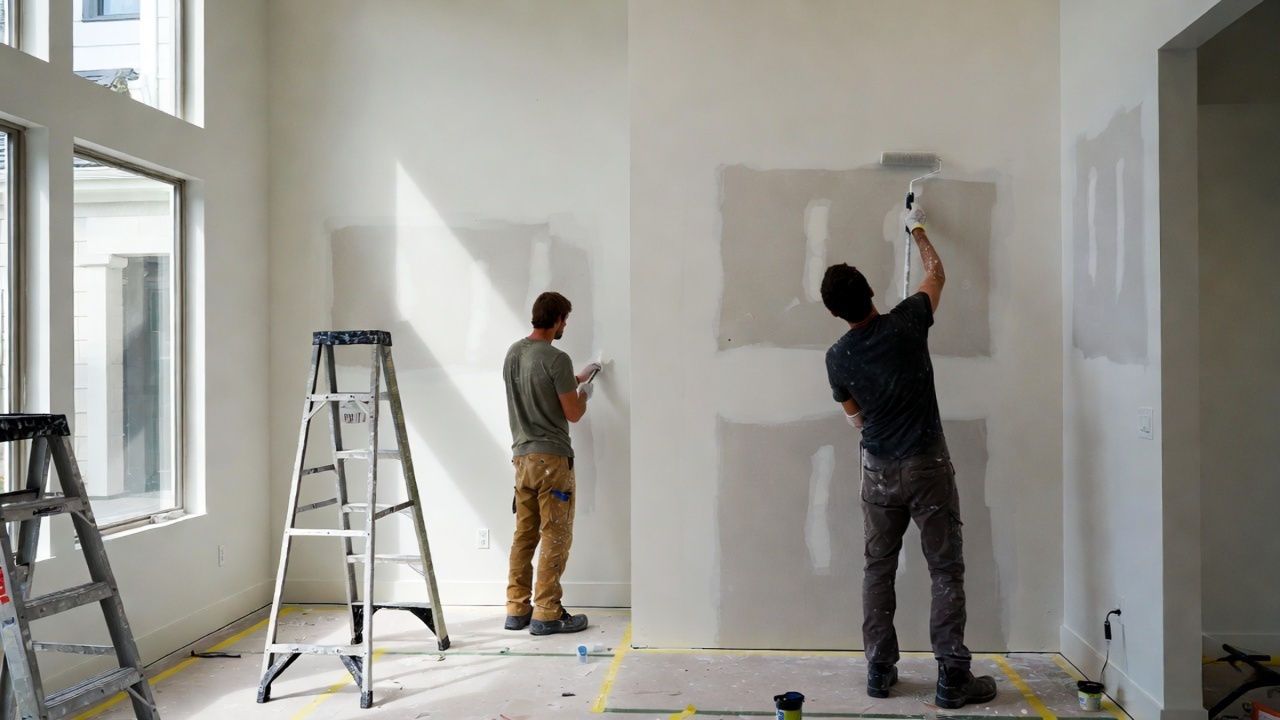
That last point is especially useful. A renovation can change more than the appearance of a room. New flooring, cabinets, paint, adhesives, furnishings, and other materials can introduce substances into indoor air.
How HVAC Systems Affect Indoor Air
An HVAC system does more than control temperature.
It also influences air circulation, filtration, humidity, and, depending on the system, ventilation. A neglected filter can restrict airflow. Poorly maintained equipment can collect dust and moisture. An improperly balanced system may leave some rooms comfortable while others remain stagnant.
However, homeowners should avoid assuming that every air quality issue requires a new HVAC system.
An inspection can help separate an equipment problem from a building problem.
For example, replacing a filter may be appropriate in one situation. Another home may need better ventilation, moisture control, duct-related attention, or additional testing. The right response depends on what the inspection reveals.
What Homeowners Can Do After an Inspection
An inspection becomes useful when the findings lead to practical action.
Homeowners may need to address a moisture source, improve ventilation, adjust humidity, replace an overloaded filter, service HVAC equipment, investigate a suspected pollutant, or arrange specialized testing.
The EPA recommends source control as one of the most effective ways to improve indoor air. Ventilation, appropriate filtration, moisture management, and regular maintenance can also play an important role.
The key is to fix the reason for the air quality concern instead of simply masking the symptoms.
Why Local Inspection Matters
Searching for home air quality inspection near me often means homeowners want someone who understands local homes, weather patterns, HVAC demands, and common environmental concerns.
Colorado properties can experience sharp seasonal changes, dry conditions, winter heating demands, summer cooling needs, and periodic wildfire smoke. Those conditions can influence how a home’s ventilation, filtration, and moisture control perform.
Colorado Field Services brings local expertise to heating, cooling, and property-related service needs across Colorado. Its approach begins with understanding the individual property rather than assuming every home has the same problem.
That matters when an air quality concern overlaps with heating, cooling, ventilation, or moisture conditions.
Better Indoor Air Starts With Finding the Source
Indoor air quality is rarely a one-size-fits-all problem. One house may struggle with moisture. Another may have ventilation limitations. A third may need attention after wildfire smoke enters the building. Some concerns may have no obvious warning at all, such as radon.
A professional inspection gives homeowners a clearer picture before they decide what needs to change.
Colorado Field Services helps homeowners evaluate HVAC and indoor environmental concerns with a property-specific approach. When an air quality concern connects to heating or cooling performance, homeowners can also explore emergency HVAC service when urgent system problems require immediate attention.
Frequently Asked Questions (FAQs)
- How do I know if my home’s air quality is bad?
Common warning signs include stale or stuffy air, unusual odors, excessive dust, condensation, visible mold, moisture problems, and inconsistent airflow. However, some indoor pollutants have no obvious smell or appearance. Radon, for example, is colorless and odorless, which is why testing matters. - What are the most common indoor air pollutants?
Common indoor pollutants include particulate matter, mold and other biological pollutants, radon, carbon monoxide, smoke, and volatile organic compounds. Sources can include household products, combustion appliances, moisture, furnishings, outdoor pollution, and poorly maintained systems. - How often should indoor air quality be tested?
There is no single testing schedule that fits every home. Testing needs depend on the property, suspected pollutants, previous problems, remodeling, moisture exposure, and local conditions. Homeowners should consider an inspection when they notice persistent air quality concerns or changes inside the property. - Can HVAC systems affect indoor air quality?
Yes. HVAC systems influence filtration and air movement, while some systems also affect ventilation and humidity. Dirty filters, equipment problems, poor airflow, or moisture around mechanical components can contribute to indoor air concerns. An inspection can help determine whether the HVAC system is part of the problem. - Does opening windows improve indoor air quality?
Sometimes, but not always. Fresh outdoor air can help dilute indoor pollutants when outdoor conditions are suitable. During wildfire smoke events or periods of poor outdoor air quality, opening windows can allow more pollutants to enter. The EPA recommends limiting smoke entry during wildfire events and using filtration appropriately. - Is indoor air quality worse than outdoor air?
It can be. Indoor air may contain pollutants generated inside the home, while outdoor pollutants can also enter through doors, windows, leaks, and ventilation systems. Limited ventilation can allow some pollutants to build up indoors.
Category
 basement finishing
Bathroom Renovation
Blog Category
Concrete Patio Installation
Concrete Sidewalk Installers
Countertop Installation Services
Emergency HVAC Service
Exterior Painting Castle Pines
General Contractor
General Contractors
Granite Countertop
Granite Countertops
Heating System Installation
Home Air Quality Inspection
Indoor Air Quality
Interior Painting
Mold Remediation
mold remediation colorado
Painting Contractors
Poured Concrete Services
Quartz Countertop Installation
Quartz Kitchen Countertop Installation
Residential Concrete Services
Tenant Improvement
Uncategorized
Recent Posts