
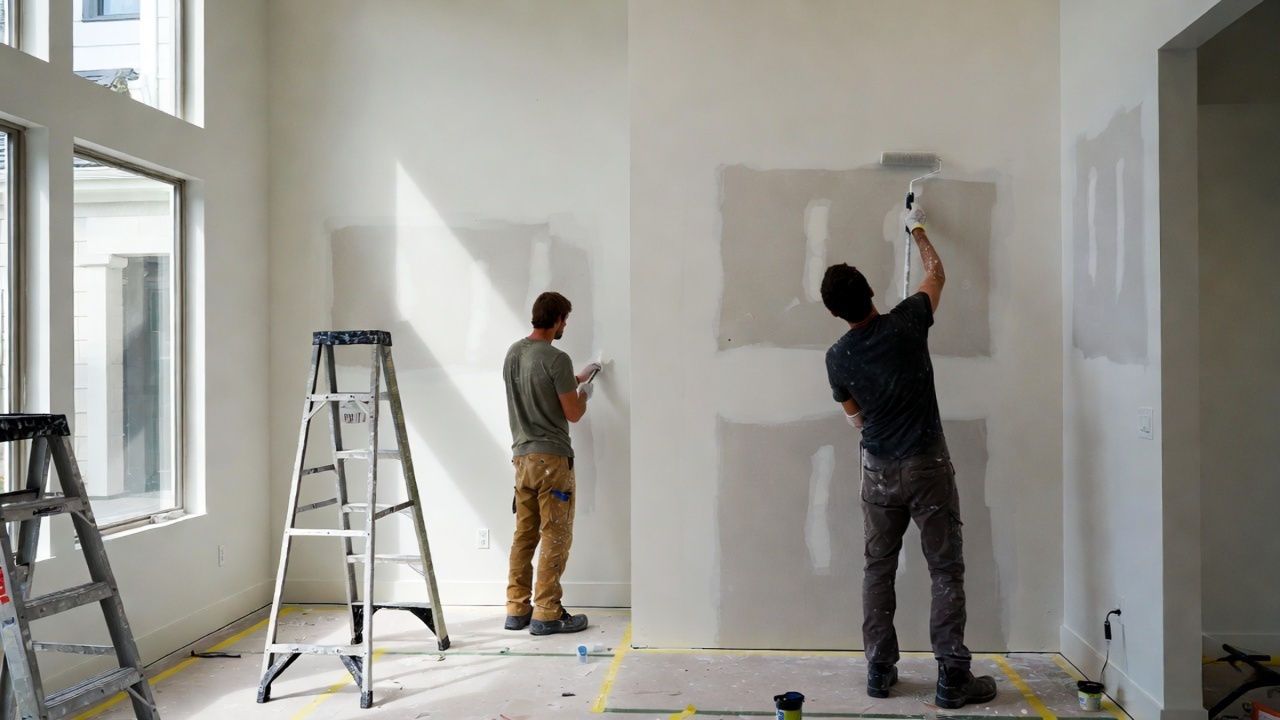
A commercial building often tells its story before anyone steps through the front door. Faded walls, peeling exterior paint, worn entryways, or mismatched touch-ups can make an otherwise well-maintained property look neglected. Paint does more than change color. It helps protect building surfaces, supports a professional appearance, and can influence how employees, customers, tenants, and visitors experience a property.
For businesses across Colorado, commercial painting services in Colorado also need to account for local conditions. Strong sunlight, snow, temperature swings, dry air, and seasonal moisture can put stress on painted surfaces. A commercial painting project therefore needs more than a quick coat of paint. It needs proper preparation, suitable materials, careful scheduling, and a finish that fits the building.
What Commercial Painting Services Include
Commercial painting covers much more than painting the walls of an office. Depending on the property, the project may include interior walls, ceilings, exterior walls, doors, trim, common areas, offices, retail spaces, warehouses, and other painted surfaces.
A professional project may involve several stages before the final coat goes on.
- Property and surface inspection
The contractor reviews the condition of the surfaces and identifies cracks, peeling areas, stains, moisture concerns, or damaged coatings.
- Surface preparation
Cleaning, scraping, sanding, patching, caulking, and priming may be necessary. Good preparation gives the new coating a stronger foundation.
- Paint and finish selection
Different surfaces and spaces may require different products. A busy hallway, office, warehouse, or exterior wall does not necessarily need the same finish.
- Application
The crew applies the selected coating using the method appropriate for the surface and project requirements.
- Inspection and touch-ups
A final review helps identify areas that need additional attention before the project is considered complete.
This process matters because painting over a damaged or poorly prepared surface does not solve the underlying problem. The fresh color may look good initially, but the coating can fail sooner when preparation gets overlooked.
Why Commercial Painting Matters for Colorado Properties
Think about a commercial property that receives hundreds of visitors every week. The entrance is scuffed. The walls have faded. Exterior paint looks tired after years of sun and snow exposure.
None of these issues may seem urgent on their own. Together, however, they can change the appearance of the entire property.
A well-maintained paint finish can help a commercial property look cleaner and more cared for. For retail stores, offices, restaurants, medical facilities, warehouses, and other commercial spaces, that appearance can matter to customers and occupants.
Paint also serves a protective purpose. Exterior coatings can help shield underlying surfaces from exposure to weather. Interior coatings can make walls easier to maintain, especially in areas that experience frequent contact, foot traffic, or daily wear.
Interior and Exterior Commercial Painting
Commercial properties often need both interior and exterior attention, but the requirements are different.
| Painting Area | Common Concerns | What Proper Planning Addresses |
|---|---|---|
| Interior walls | Scuffs, stains, fading, heavy traffic | Durable finish and suitable sheen |
| Ceilings | Marks, discoloration, aging | Surface condition and lighting |
| Exterior walls | Sun, snow, moisture, temperature changes | Weather-appropriate coating system |
| Doors and trim | Frequent contact and wear | Durable finish and careful preparation |
| Warehouses | Large surfaces and heavy use | Efficient application and site coordination |
| Offices | Occupied spaces and business schedules | Phased or after-hours work |
An occupied office may require a different approach from an empty commercial building. A retail store cannot always close for several days simply because painting is underway. Scheduling becomes part of the project.
How Colorado Weather Affects Commercial Paint
Colorado’s climate creates a particular challenge for exterior surfaces.
A building may experience intense sunlight during one season, freezing temperatures during another, and snow or moisture exposure throughout the year. Repeated expansion and contraction can also place stress on exterior materials.
That is why product selection should not happen based only on color.
A contractor should consider the surface, exposure, existing coating, expected wear, and environmental conditions before recommending a paint system. Preparation matters just as much. If peeling paint, cracks, or surface contamination remain underneath a new coating, the finished result may not hold up as expected.
For commercial property owners, this is one reason a site assessment can be more useful than choosing a contractor based only on a low initial estimate.
What Determines the Cost of Commercial Painting?
There is no single commercial painting price that fits every Colorado property. Current U.S. cost guides commonly place commercial painting around $2 to $6 per square foot of paintable surface, but actual pricing can vary substantially based on the project.
Several factors influence the final estimate.
- Total paintable surface area
- Interior or exterior work
- Building height
- Condition of existing surfaces
- Amount of preparation required
- Number of coats
- Type and quality of coating
- Access requirements
- Equipment such as lifts or scaffolding
- Working-hour restrictions
- Occupied versus vacant spaces
A large building with straightforward surfaces may not be more difficult than a smaller property with extensive repairs, complicated access, or strict scheduling requirements.
This is why a proper walkthrough is important before comparing estimates.
How to Plan a Commercial Painting Project
Good commercial painting starts before the first gallon of paint arrives.
Property owners and managers should first identify which areas need attention and whether the project involves cosmetic repainting, maintenance, renovation, or a combination of these needs.
It also helps to consider the business schedule.
Could work happen during evenings or weekends? Can the building be divided into sections? Do employees, customers, tenants, or equipment need continuous access?
Commercial painting timelines depend heavily on preparation, surface condition, access, drying time, building size, and scheduling. Current industry guidance also points out that coordination and site preparation can take as much planning as the actual painting.
A clear project plan can help avoid unnecessary disruption.
When Should a Commercial Building Be Repainted?
There is no universal repainting schedule for every commercial property. The right timing depends on the coating, surface, building use, weather exposure, and previous maintenance.
Still, certain signs should get attention.
- Paint is peeling, cracking, or flaking
- The exterior color has noticeably faded
- Walls show heavy scuffing or stains
- Previous touch-ups no longer match
- Surfaces look uneven or worn
- The property is preparing for a renovation or change in use
- The building’s exterior no longer reflects the property’s overall condition
Waiting until paint failure becomes widespread can make preparation more involved. A planned repaint can give property owners more control over timing, budget, and disruption.
Choosing the Right Commercial Painting Contractor
The cheapest estimate is not automatically the best choice.
Commercial painting requires coordination, surface knowledge, appropriate materials, and attention to the way a business uses its property. Property owners should ask what preparation the estimate includes, which surfaces will be painted, what products are recommended, how the project will be scheduled, and how the contractor will handle occupied areas.
Colorado Field Services brings a practical approach to property improvement and painting projects. Its broader construction and property service experience allows painting work to be considered within the condition of the building rather than as an isolated cosmetic task.
For Colorado property owners, that distinction can matter. A successful project should leave the property looking refreshed while also addressing the practical demands of the surfaces being painted.
A Better Finish Starts With Better Planning
Commercial painting is not simply about choosing a color and covering a wall. It is about understanding the property, preparing the surfaces, selecting suitable materials, and completing the work with minimal disruption to daily operations.
For offices, retail properties, warehouses, and other commercial buildings across Colorado, the right painting approach can support both appearance and long-term property maintenance.
Colorado Field Services provides professional painting solutions designed around the needs of each property. If your commercial building needs an interior refresh, exterior repaint, or broader property improvement work, contact Colorado Field Services to discuss the project and request an estimate.
For related residential and commercial projects, explore painting services in Colorado.
Frequently Asked Questions (FAQs)
1. How often should a commercial building be painted?
There is no fixed schedule for every building. Paint lifespan depends on surface condition, coating type, weather exposure, building use, and maintenance. Exterior surfaces exposed to Colorado’s sun, snow, and temperature changes may need attention sooner than protected interior areas.
2. How much does commercial painting cost?
Commercial painting commonly falls around $2 to $6 per square foot of paintable surface in current U.S. cost guides. The actual price depends on the building’s size, surface condition, paint type, number of coats, access, preparation, and scheduling requirements.
3. How long does commercial painting take?
The timeline varies by building size, preparation requirements, number of coats, access, drying conditions, and whether the property remains occupied. Smaller projects may take several days, while larger buildings can require phased work over several weeks.
4. Can a commercial building be painted while it remains open?
Yes, many commercial projects can be completed while a business remains operational. Contractors may divide the work into sections or schedule certain tasks during evenings and weekends. The best approach depends on the property, occupancy, ventilation, access, and project scope.
5. What is the difference between commercial and residential painting?
Commercial painting usually involves larger surfaces, more complex scheduling, greater coordination, and different access requirements. Commercial properties may also need work around employees, customers, tenants, equipment, or operating hours. Residential painting generally involves smaller spaces and fewer operational restrictions.
6. What should I look for in a commercial painting contractor?
Look for a contractor who evaluates the property before quoting, explains the preparation process, recommends suitable products for the surfaces, provides a clear scope of work, and can plan around the property’s operating schedule. A detailed estimate is more useful than a low number without clear project specifications.
Category
 basement finishing
Bathroom Renovation
Blog Category
Concrete Patio Installation
Concrete Sidewalk Installers
Countertop Installation Services
Emergency HVAC Service
Exterior Painting Castle Pines
General Contractor
General Contractors
Granite Countertop
Granite Countertops
Heating System Installation
Home Air Quality Inspection
Indoor Air Quality
Interior Painting
Mold Remediation
mold remediation colorado
Painting Contractors
Poured Concrete Services
Quartz Countertop Installation
Quartz Kitchen Countertop Installation
Residential Concrete Services
Tenant Improvement
Uncategorized
Recent Posts