
Mold does not need a flooded basement to become a problem. A slow plumbing leak, condensation on a cold foundation wall, damp flooring, or moisture entering through small foundation gaps can create the conditions mold needs to grow. The U.S. Environmental Protection Agency notes that moisture control is the key to controlling indoor mold, because mold spores can begin growing when they land on wet or damp surfaces.
For Colorado homeowners, the basement deserves particular attention. It sits below grade, often has limited airflow, and can collect moisture that is difficult to notice until a musty odor, discoloration, or visible growth appears. Effective basement mold removal and cleanup in Colorado, therefore, involves more than cleaning a surface. It means finding the moisture source, addressing affected materials, and making sure the space is properly dried.
Why are Basements So Vulnerable to Mold?
A basement can stay damp even when the rest of the house feels completely dry.
Cold foundation walls can create condensation when warmer indoor air meets the cooler surface. Water can also enter through foundation cracks, basement windows, plumbing leaks, floor seepage, or drainage problems. Poor ventilation adds another layer to the problem because moisture has fewer ways to escape.
Colorado’s changing weather can make moisture management especially important. Snowmelt, seasonal rain, temperature swings, and indoor humidity can all contribute to damp conditions around the lowest level of a home.
Mold does not need standing water to survive. A persistently damp wall or slightly wet carpet can provide enough moisture for growth.
What Usually Causes Basement Mold?
The visible mold may not tell homeowners where the problem started. A careful inspection should look beyond the patch itself.
| Moisture Source | What It Can Lead To |
|---|---|
| Foundation seepage | Damp walls, flooring, and hidden mold |
| Plumbing leaks | Moisture behind walls or cabinets |
| Condensation | Growth around pipes, windows, and cold walls |
| Poor drainage | Repeated water entry during wet weather |
| Flooding | Extensive moisture and contaminated materials |
| High indoor humidity | Persistent dampness and recurring growth |
| Wet carpet or drywall | Mold growth inside porous materials |
The EPA recommends fixing leaks and other water problems promptly and drying wet materials completely. It also notes that porous materials such as carpet and ceiling tiles may need removal when mold grows within them.
What are the Signs of Basement Mold?
Sometimes the first clue is not visible mold at all.
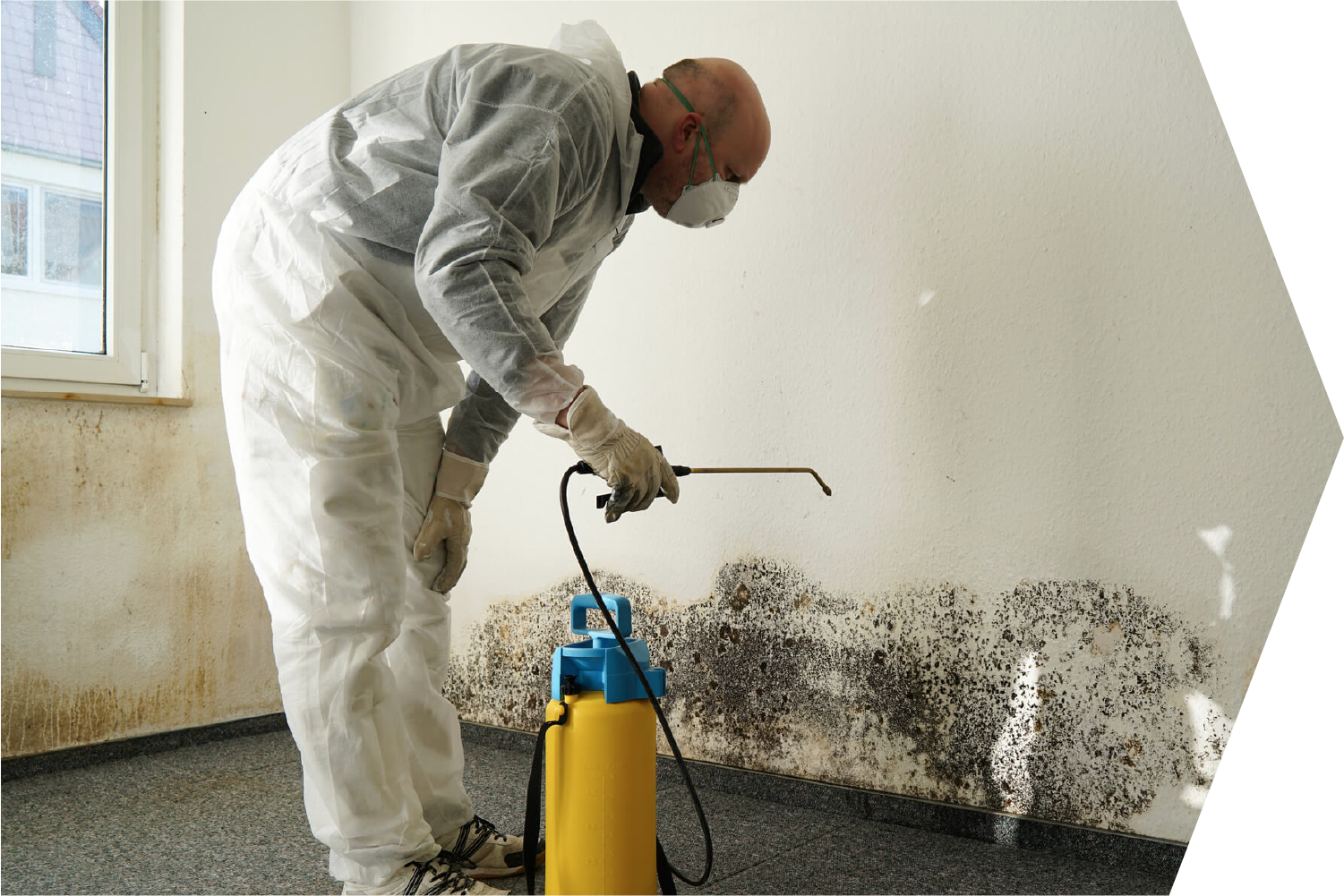
A basement that smells consistently musty deserves attention. Dark spots, unusual staining, peeling paint, warped materials, damp carpet, or discoloration around windows and pipes can also point toward a moisture problem.
Homeowners should also watch for areas that repeatedly become damp after rain or snowmelt. If a wall dries out and becomes wet again every time the weather changes, cleaning the visible area will not solve the underlying issue.
Hidden mold can develop behind drywall, beneath flooring, around insulation, or inside other materials that have remained damp. EPA guidance recommends considering professional help when a hidden mold problem is suspected.
How Does Basement Mold Removal and Cleanup Work?
A proper cleanup starts with understanding the extent of the problem.
The first step is usually an assessment of the affected basement. This can help identify visible growth, moisture sources, affected materials, and areas where mold may be concealed.
The cleanup process may involve several stages.
- Identify the moisture source
A leak, seepage problem, condensation issue, or drainage concern should be addressed. Otherwise, mold can return after cleanup.
- Determine the affected area
The size of the mold growth matters. The EPA generally considers areas smaller than about 10 square feet manageable by homeowners in many situations, while larger areas or significant water damage can call for professional assistance.
- Separate affected materials
Hard surfaces may respond differently from porous materials. Mold that has penetrated drywall, carpet, insulation, or other absorbent materials can be much harder to remove completely.
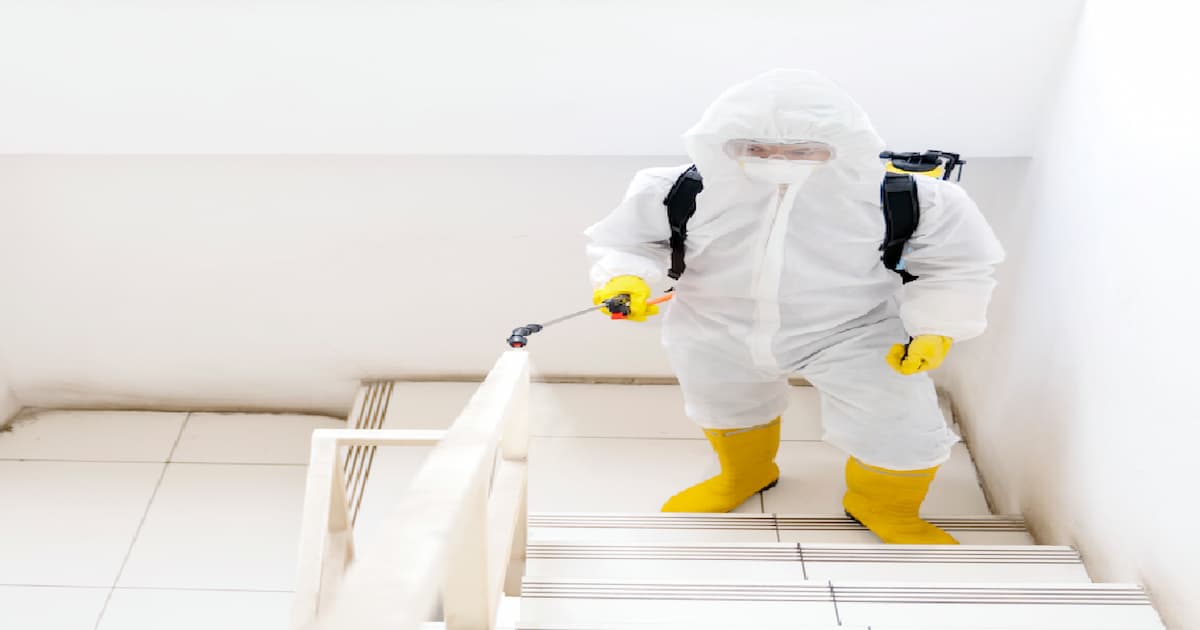
- Clean affected surfaces
Appropriate cleaning methods depend on the material and extent of growth. Simply covering a moldy surface with paint or caulk is not a solution. EPA guidance specifically advises cleaning and drying moldy surfaces before painting or sealing them.
- Dry the area thoroughly
Moisture control is central to the entire process. A basement that remains damp can continue supporting mold growth even after visible contamination has been cleaned.
When Should a Homeowner Hire a Professional?
Not every small spot requires a full remediation project. However, basement mold becomes more complicated when it covers a larger area, follows significant water damage, returns after cleaning, or appears in materials that are difficult to clean.
Professional help also makes sense when the source of moisture remains unclear.
A professional assessment can be useful when there is
- Extensive or recurring mold growth
- A strong musty odor with no visible source
- Water damage affecting drywall or flooring
- Suspected hidden mold
- Mold associated with contaminated water
- Possible contamination involving an HVAC system
- Difficulty identifying the moisture source
The EPA recommends professional assistance for situations involving substantial water damage, larger areas of mold, contaminated water, or suspected HVAC contamination.
How Can Basement Mold Affect the Rest of a Home?
A basement is still part of the home’s indoor environment. Mold growth and moisture problems should not be treated as isolated basement concerns.
Air movement can carry mold spores into other parts of a house. Moisture can also damage building materials over time. EPA guidance notes that mold can gradually damage the materials on which it grows, making early moisture control an important part of protecting the home.
Mold exposure can also cause allergic reactions in sensitive individuals and may irritate the eyes, skin, nose, throat, and lungs. People with mold allergies or asthma may be more affected.
That does not mean every basement mold situation creates the same health risk. It does mean that visible growth, recurring dampness, and persistent odors should not simply be ignored.
How Can Colorado Homeowners Help Prevent Basement Mold?
Once cleanup is complete, moisture control becomes the long-term priority.
Homeowners can start by keeping gutters and downspouts directed away from the foundation, watching for plumbing leaks, improving basement airflow, and managing indoor humidity. The EPA recommends keeping indoor humidity between 30 and 60 percent and using ventilation or dehumidification when needed.
It is also worth checking the basement after heavy rain, snowmelt, or major temperature changes. A quick inspection can reveal moisture before it develops into a larger problem.
Basement Mold Cleanup With Colorado Field Services
Basement mold cleanup should focus on the cause as much as the visible growth. Colorado Field Services helps homeowners address mold and moisture concerns with an approach that considers the basement as a complete environment rather than treating one stained wall as an isolated issue.
For Colorado homeowners dealing with sudden water intrusion, extensive growth, or a mold problem that cannot wait, emergency mold removal services in Colorado can provide an important next step.
If a basement smells musty, shows recurring damp spots, or has visible mold, contact Colorado Field Services for an assessment and discuss the appropriate cleanup solution for the property.
Frequently Asked Questions (FAQs)
- How do I get rid of mold in my basement?
Start by identifying and correcting the moisture source. Small areas on hard surfaces may sometimes be cleaned following appropriate safety precautions. Larger areas, significant water damage, contaminated water, or suspected hidden mold may require professional cleanup. - Why does mold keep coming back in my basement?
Recurring mold usually points to an unresolved moisture problem. A leak, seepage, condensation, or high humidity can continue creating conditions for growth. Cleaning the mold without correcting the moisture source may allow the problem to return. - Is basement mold dangerous?
Mold can cause allergic reactions and may irritate the eyes, skin, nose, throat, and lungs. People with mold allergies or asthma may experience stronger reactions. Health concerns should be discussed with a qualified health professional. - Can I remove basement mold myself?
Small mold areas may sometimes be handled by homeowners. The EPA generally uses about 10 square feet as a useful threshold for considering whether professional assistance is needed. Larger areas, extensive water damage, contaminated water, or hidden mold call for greater caution. - Does bleach permanently remove basement mold?
Simply killing mold does not solve the entire problem. Mold must be removed, affected materials addressed, and the moisture source corrected. EPA guidance also states that routine use of biocides such as bleach is not generally recommended for mold cleanup. - How quickly can mold grow after water damage?
Mold can begin growing on wet materials within roughly 24 to 48 hours under favorable conditions. That makes prompt drying and moisture control important after leaks, flooding, or other water events.
Category
 basement finishing
Bathroom Renovation
Blog Category
Concrete Patio Installation
Concrete Sidewalk Installers
Countertop Installation Services
Emergency HVAC Service
Exterior Painting Castle Pines
General Contractor
General Contractors
Granite Countertop
Granite Countertops
Heating System Installation
Home Air Quality Inspection
Indoor Air Quality
Interior Painting
Mold Remediation
mold remediation colorado
Painting Contractors
Poured Concrete Services
Quartz Countertop Installation
Quartz Kitchen Countertop Installation
Residential Concrete Services
Tenant Improvement
Uncategorized
Recent Posts