“A house in Colorado does not fail suddenly. It weakens in layers, through systems that were never built to work together.”
That is where licensed general contracting becomes more than a permit requirement. It becomes the difference between a property that holds its structure over decades and one that slowly unravels behind walls, under slabs, and inside HVAC lines.
Colorado Field Services operates as a licensed general contractor in Colorado with a systems-driven approach to residential and commercial property work. With over fifty years of combined field experience, the focus stays on how construction, HVAC, moisture control, and structural integrity interact as one living system inside a home.
Most home issues do not start as visible damage. They start as an imbalance.
A small HVAC inefficiency increases humidity in a basement. That moisture slowly affects drywall. Paint starts to bubble. Air quality shifts slightly. By the time a homeowner notices, multiple systems are already involved.
Colorado conditions amplify this progression. Dry air, sudden temperature drops, and soil movement do not create single points of failure. They create slow system drift.
This is why general contracting in Colorado cannot function as a checklist job. It has to function like systems engineering.
In modern construction, licensing is not just approval to build. It is responsibility for coordination across entire property systems.
A licensed general contractor in Colorado is expected to manage the following:
The real value is not execution of tasks. It is preventing conflict between those tasks.
When systems overlap without coordination, failure does not appear immediately. It appears later as repair cycles.
Castle Pines homes sit in a unique transition zone. Newer construction meets expanding remodel demand, while environmental pressure remains constant.
The most common hidden stress points include:
These are not isolated problems. They are connected responses to how the home was originally coordinated.
A licensed general contractor in Castle Pines has to read these connections before changes begin, not after damage appears.
A home is not a collection of rooms. It is a network of interacting systems.
Conflict appears when one system changes without adjusting others.
Examples include:
These conflicts do not show up in inspection reports. They show up in utility bills, air quality shifts, and slow material breakdown.
Licensed general contracting exists to prevent these mismatches at the design level.
Many homeowners still hire separate specialists for different tasks. One handles HVAC, another handles framing, and another handles finishing work.
The issue is not skill. It is coordination.
When no single entity controls system interaction:
The cost is rarely immediate. It appears later as overlapping repair work that repeats itself.
In Colorado’s climate, repetition is the expensive part.
Integrated general contracting removes system gaps by aligning all trades under one coordinated plan.
This approach focuses on:
The goal is not faster construction. The goal is fewer corrections over the life of the property.
Colorado Field Services operates from a systems-first construction model.
Instead of separating services into categories, the process begins with how those categories interact inside the home.
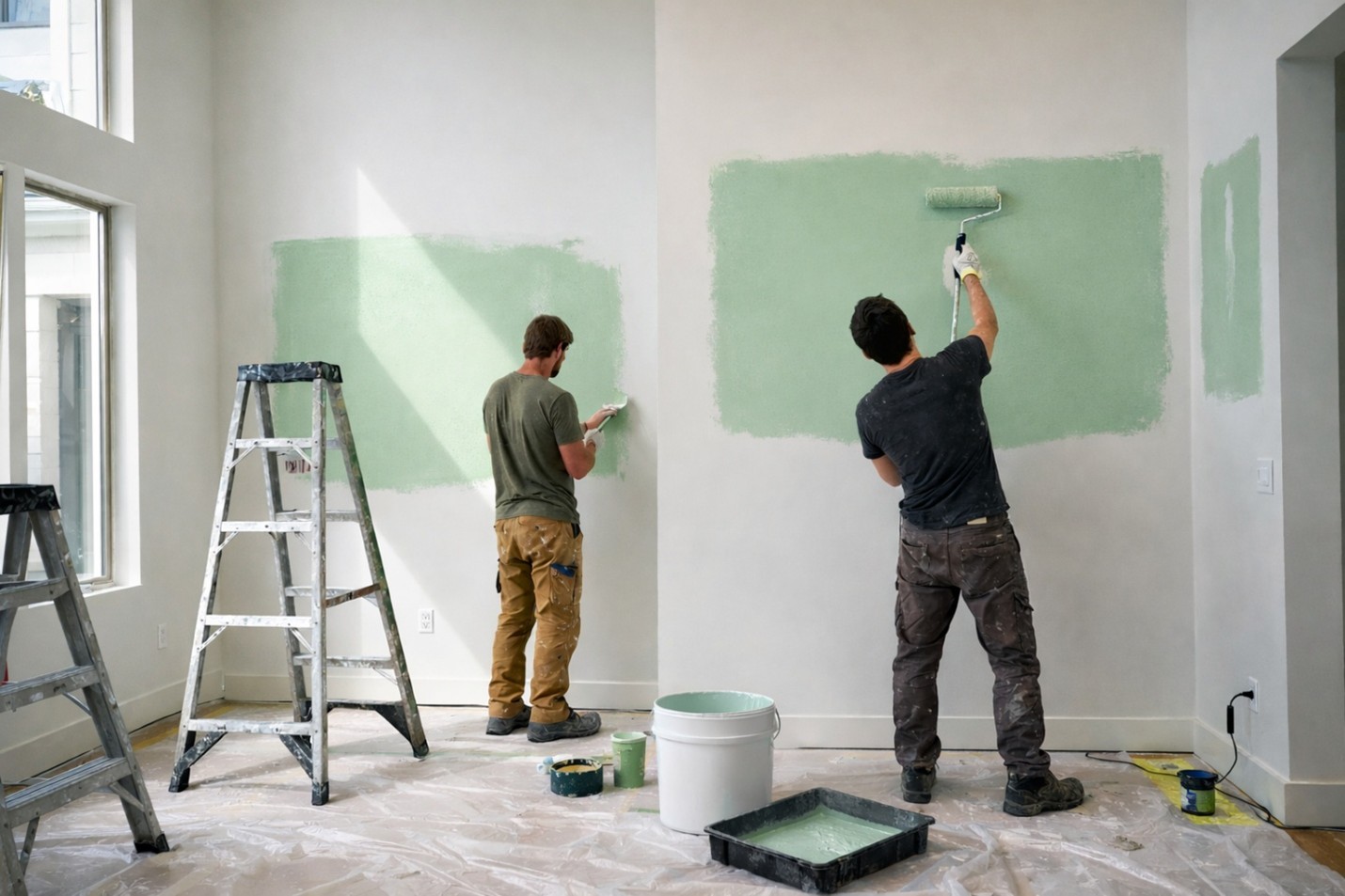
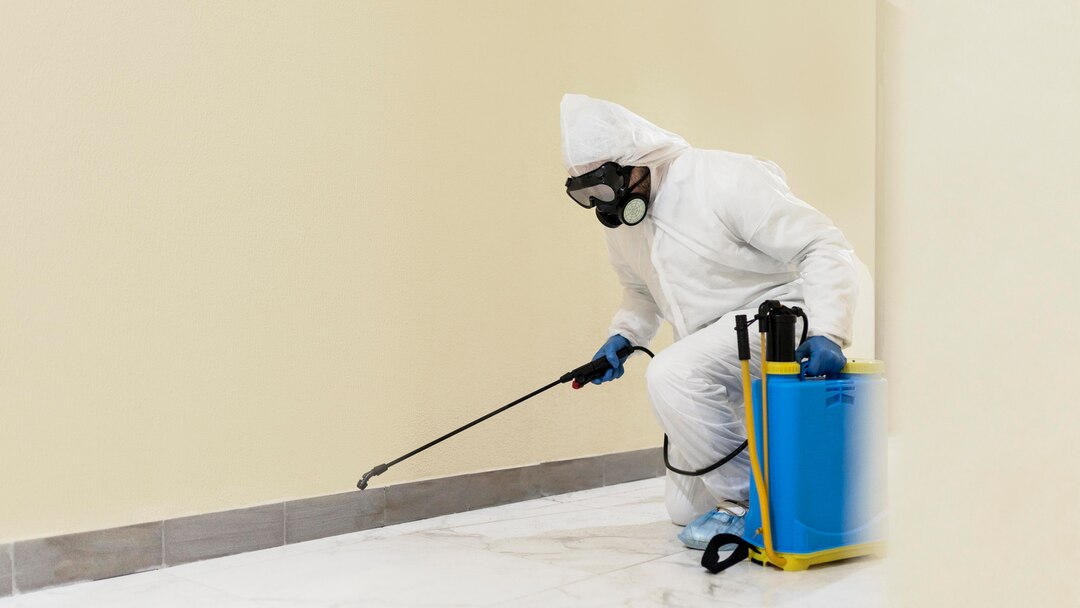
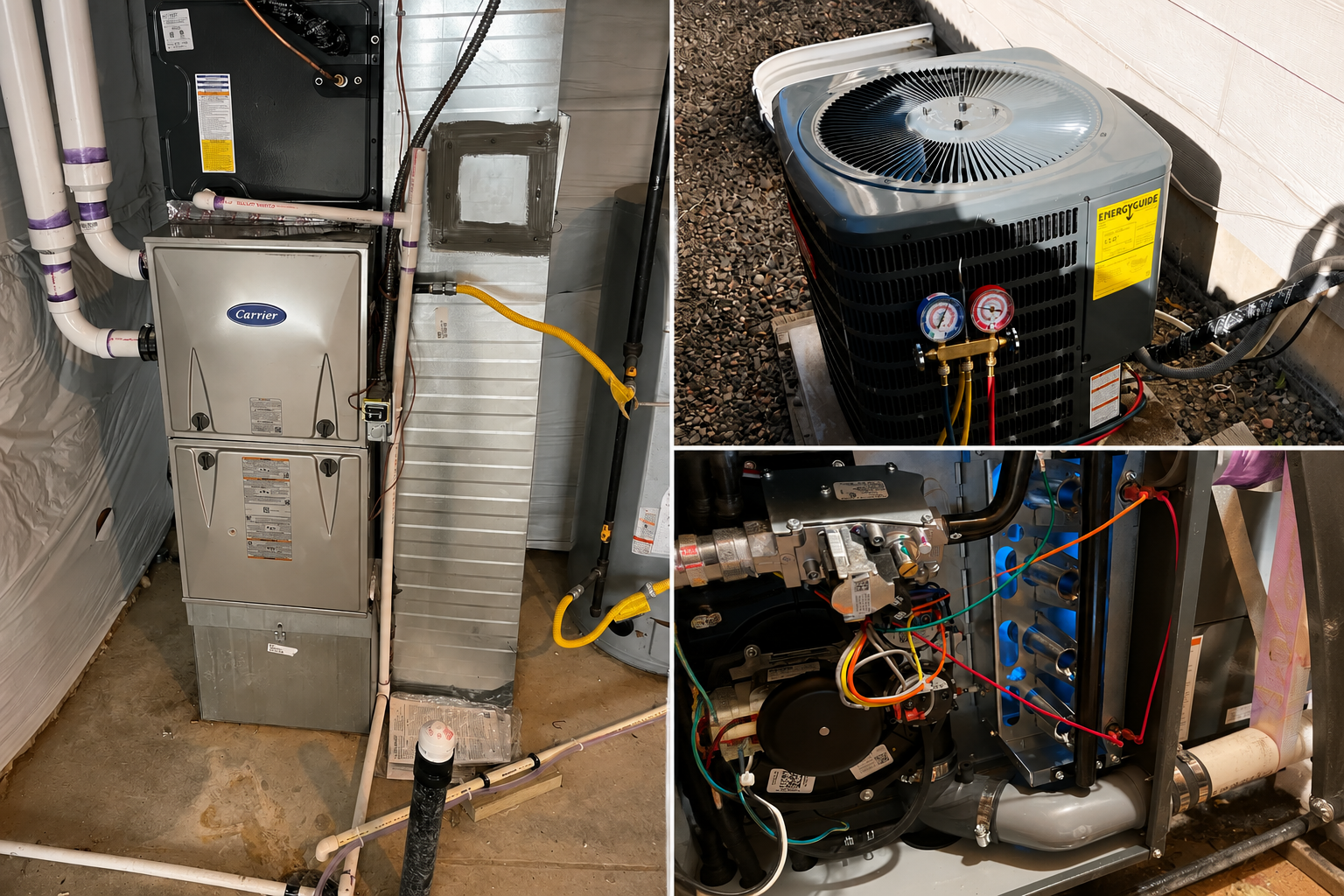
With decades of combined experience in HVAC systems, structural work, painting, concrete installation, and environmental remediation, the approach focuses on one principle: no system should create stress in another system.
Key operational focus areas include:
This method reflects a shift from contractor-based thinking to property system engineering.
General contractor licensing in Colorado is not defined by who performs the work. It is defined by who controls the interaction between systems that shape a home’s long-term stability.
In Castle Pines and across the Front Range, homes face continuous environmental pressure that exposes disconnected construction decisions quickly. The difference between recurring repair cycles and stable property performance often comes down to one factor, coordination at the systems level.
Colorado Field Services applies a unified approach that treats HVAC, structure, moisture, and finishing work as one connected environment rather than separate scopes. The result is construction that holds its logic long after the project ends.
1. Why do homes in Colorado develop issues after remodeling?
Because remodeling often changes airflow, moisture paths, and structural balance without adjusting connected systems like HVAC or ventilation.
2. What makes a licensed general contractor different from a handyman?
A licensed general contractor manages full system coordination, code compliance, and multi-trade integration rather than isolated repairs.
3. Why is Castle Pines considered a challenging area for home construction?
Temperature swings, soil movement, and seasonal moisture shifts create ongoing stress on HVAC, foundations, and exterior sealing.
4. Can separate contractors work well on the same project?
They can complete tasks, but without coordination, system conflicts often appear later as repair issues.
5. What is the biggest risk of uncoordinated construction?
Hidden system imbalance that leads to repeated maintenance, moisture problems, and energy inefficiency.
6. How does integrated contracting improve long-term home value?
It reduces structural conflict, improves system efficiency, and lowers long-term repair frequency, which stabilizes property performance.
 basement finishing
Bathroom Renovation
Blog Category
Concrete Patio Installation
Concrete Sidewalk Installers
Countertop Installation Services
Emergency HVAC Service
Exterior Painting Castle Pines
General Contractor
Granite Countertop
Granite Countertops
Heating System Installation
Indoor Air Quality
Interior Painting
Mold Remediation
mold remediation colorado
Painting Contractors
Poured Concrete Services
Quartz Countertop Installation
Quartz Kitchen Countertop Installation
Residential Concrete Services
Tenant Improvement
Uncategorized
basement finishing
Bathroom Renovation
Blog Category
Concrete Patio Installation
Concrete Sidewalk Installers
Countertop Installation Services
Emergency HVAC Service
Exterior Painting Castle Pines
General Contractor
Granite Countertop
Granite Countertops
Heating System Installation
Indoor Air Quality
Interior Painting
Mold Remediation
mold remediation colorado
Painting Contractors
Poured Concrete Services
Quartz Countertop Installation
Quartz Kitchen Countertop Installation
Residential Concrete Services
Tenant Improvement
Uncategorized