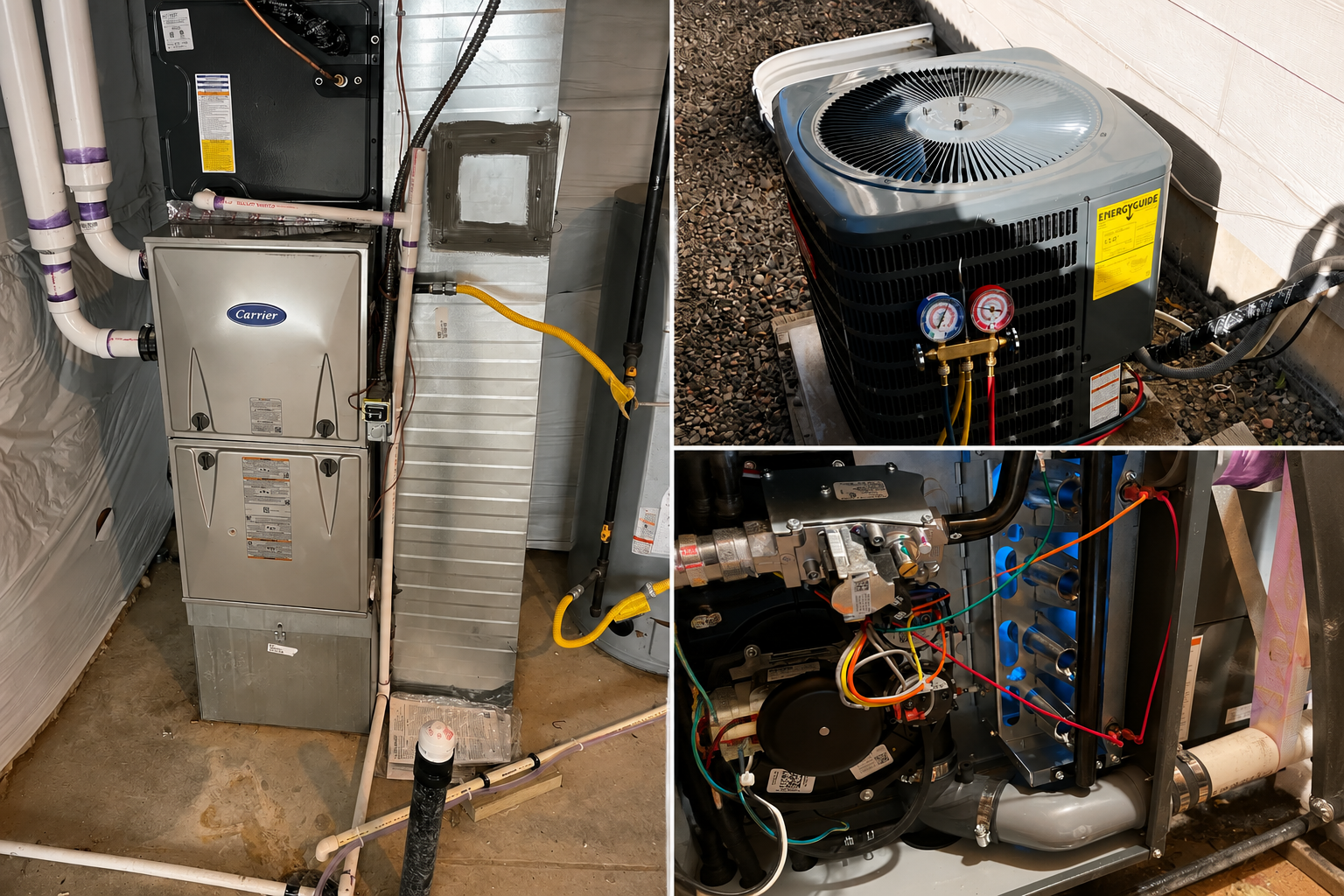
A well-maintained HVAC system is not a luxury in American homes; it is a basic need that affects comfort, air quality, and energy use every single day. In places like Castle Pines, where temperatures shift quickly across seasons, homeowners often realize one simple truth. Heating and cooling systems only work well when they are cared for regularly.
Many experts in home services often say that most HVAC breakdowns do not happen suddenly. They build up over time due to dust, clogged filters, ignored tune-ups, and small issues that grow bigger. That is why preventive HVAC maintenance matters more than emergency repairs.
Colorado Field Services focuses on helping homeowners keep their indoor environment stable, safe, and efficient through structured HVAC maintenance service designed for real homes and real weather conditions.
Castle Pines experiences a mix of cold winters, warm summers, and sudden temperature shifts. This means HVAC systems do not get much rest. They constantly switch between heating and cooling modes depending on the season.
In most homes across the United States, HVAC systems handle three core functions:
In Castle Pines specifically, heating systems often run heavily during long winter nights. Air conditioning units work harder in dry summer conditions. This constant load makes regular maintenance not optional but necessary.
Without maintenance, systems begin to lose efficiency. Airflow reduces, energy bills increase, and indoor comfort drops.
Across American households, HVAC systems account for a major share of energy consumption. When systems are not maintained, they use more power to deliver the same comfort level.
Here are some common issues homeowners face when HVAC maintenance is ignored:
These problems often start small but grow over time. A clogged filter or dirty coil may not look serious at first, but it slowly affects the entire system.
In many cases, homeowners only notice HVAC problems when complete breakdowns occur during peak summer or winter. Regular maintenance helps prevent these situations.
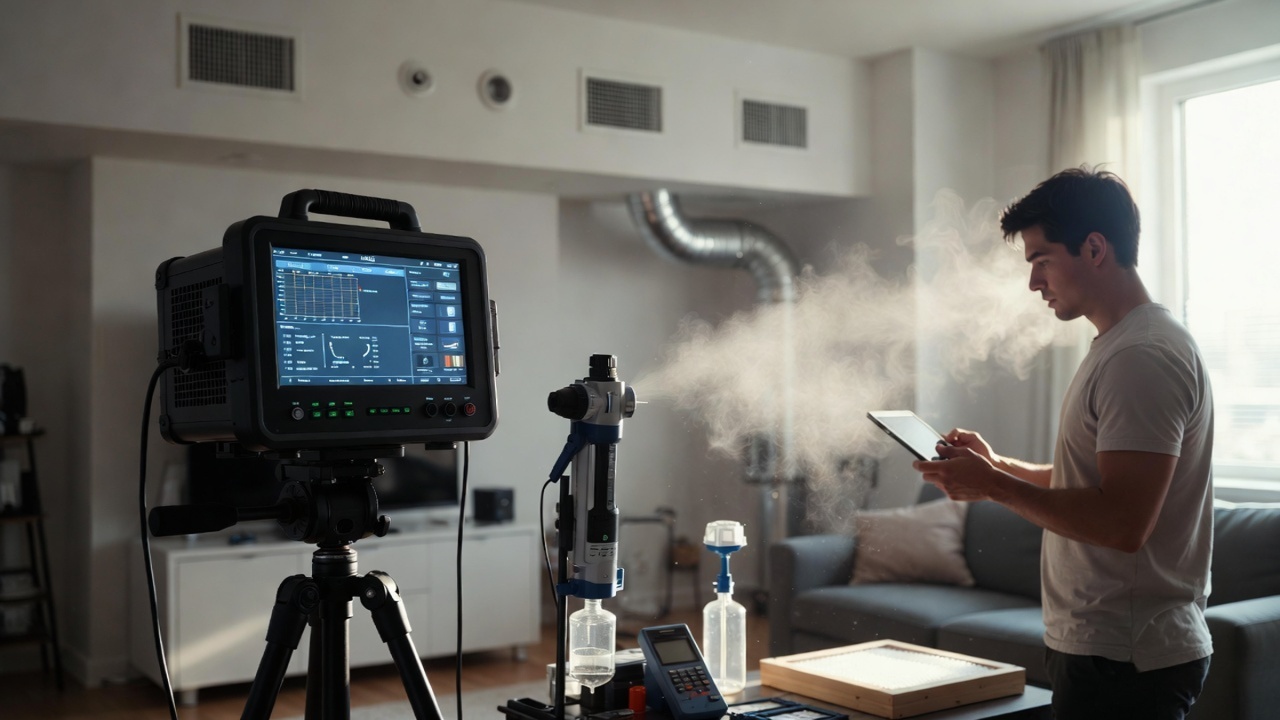
A proper HVAC maintenance service is more than just a quick inspection. It involves a full system check that ensures every part is working efficiently.
Below is a simple checklist that helps homeowners understand what should be monitored regularly.
| Area Checked | What It Affects | Recommended Frequency |
| Air filters | Air quality and airflow | Every 1 to 3 months |
| Thermostat | Temperature control accuracy | Every 6 months |
| Coils | Cooling efficiency | Once a year |
| Ductwork | Air distribution | Once a year |
| Electrical parts | System safety | Once a year |
| Drain lines | Moisture control | Twice a year |
This checklist helps prevent sudden failures and keeps the system balanced throughout the year.
Homes in Castle Pines often deal with dry air conditions and fluctuating temperatures. These conditions create specific challenges for HVAC systems.
During winter, heating units run longer cycles to maintain indoor warmth. This puts stress on furnaces and heat pumps. During summer, cooling systems work against dry heat, which can cause coils to collect dust faster.
Local homes also experience issues like the following:
Because of these factors, HVAC maintenance becomes even more important in this region compared to milder climates.
Regular maintenance brings long-term value to homeowners. It is not just about fixing issues but preventing them.
A clean and well-tuned HVAC system uses less energy to maintain temperature.
Small repairs and cleaning prevent long-term wear and tear.
Clean filters and ducts reduce dust and allergens inside the home.
Routine inspections help identify problems before they become serious.
Rooms maintain even temperature without sudden hot or cold spots.
HVAC systems perform differently in each season. Understanding seasonal care helps maintain performance.
Professional HVAC service providers like Colorado Field Services use structured inspection methods that go beyond basic cleaning.
Technicians focus on:
A professional approach ensures that both heating and cooling systems operate as a single balanced unit instead of separate components.
Homeowners often miss early warning signs. Here are signals that should not be ignored:
If any of these signs appear, scheduling maintenance quickly can prevent larger repairs.
Many homeowners think HVAC maintenance is an added cost. In reality, it reduces long-term expenses.
A well-maintained system:
Over time, this leads to significant savings and better home comfort.
HVAC systems are central to home comfort in Castle Pines. They regulate temperature, support indoor air quality, and help manage energy use throughout the year. Without regular maintenance, even high-quality systems lose efficiency and reliability.
Colorado Field Services provides HVAC maintenance service designed to keep systems strong through every season. From routine inspections to performance tuning, the focus remains on long-term comfort and system health.
For homeowners looking to upgrade or install new systems, explore our heating and cooling installation services in Colorado to ensure complete climate control solutions tailored to your home.
 basement finishing
Bathroom Renovation
Blog Category
Concrete Patio Installation
Concrete Sidewalk Installers
Countertop Installation Services
Emergency HVAC Service
Exterior Painting Castle Pines
General Contractor
Granite Countertop
Granite Countertops
Heating System Installation
Indoor Air Quality
Interior Painting
Mold Remediation
mold remediation colorado
Painting Contractors
Poured Concrete Services
Quartz Countertop Installation
Quartz Kitchen Countertop Installation
Residential Concrete Services
Tenant Improvement
Uncategorized
basement finishing
Bathroom Renovation
Blog Category
Concrete Patio Installation
Concrete Sidewalk Installers
Countertop Installation Services
Emergency HVAC Service
Exterior Painting Castle Pines
General Contractor
Granite Countertop
Granite Countertops
Heating System Installation
Indoor Air Quality
Interior Painting
Mold Remediation
mold remediation colorado
Painting Contractors
Poured Concrete Services
Quartz Countertop Installation
Quartz Kitchen Countertop Installation
Residential Concrete Services
Tenant Improvement
Uncategorized