“Water leaves. Mold stays.”
Across the United States, homeowners spend thousands of dollars each year repairing water damage, replacing drywall, and restoring affected areas after leaks or moisture issues. Yet one problem often remains long after the water is gone. Mold.
Many people do not notice mold right away. Instead, they see peeling paint, smell a musty odor, or discover stained ceilings and warped flooring months later. By then, mold may have already spread behind walls, beneath flooring, or inside insulation.
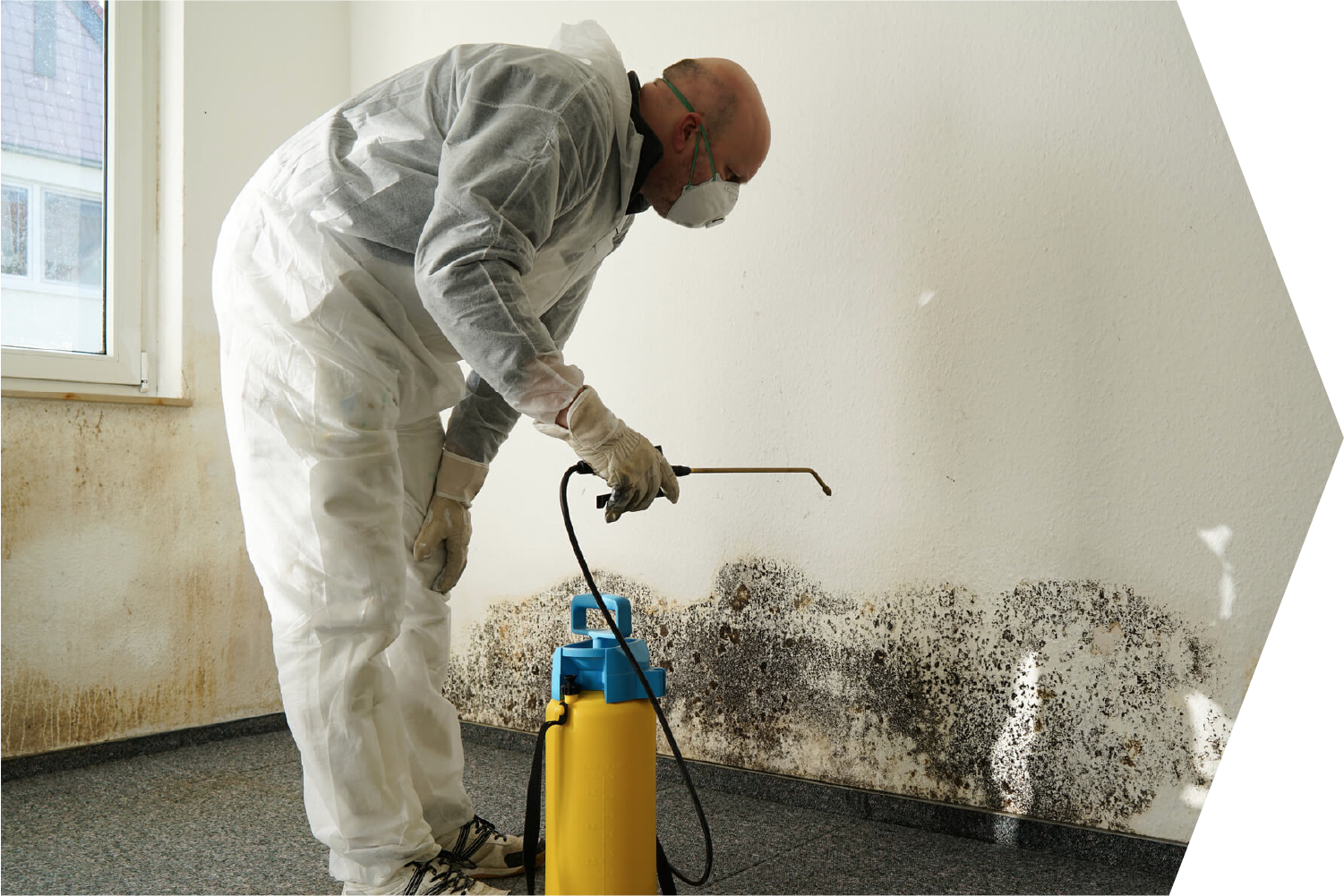
This is why a professional mold remediation service in Castle Pines is an important part of protecting a home’s condition and value. Rather than simply removing visible mold, remediation addresses the hidden moisture issues that allow it to grow.
This blog explores why mold remediation matters, how mold affects homes across the United States, and what Castle Pines homeowners should know before a small moisture problem turns into a costly repair project.
Many people think mold is simply a cosmetic issue.
A dark spot on drywall. A stain in the corner of a bathroom. A patch beneath a window.
The reality is often very different.
Mold behaves more like a network than a stain. What appears on the surface may represent only a small portion of the actual growth. Moisture can travel through building materials, allowing mold colonies to expand into areas homeowners cannot see.
That hidden growth can affect:
This is why professional remediation focuses on identifying the source of the problem, not just the visible symptoms.
Modern homes are designed to be energy-efficient. While that creates many benefits, it can also trap moisture indoors.
Across the United States, several factors contribute to mold-related concerns:
| Common Cause | Why It Matters |
| Tighter building envelopes | Reduced natural airflow |
| Severe weather events | Increased water intrusion |
| Aging plumbing systems | Hidden leaks behind walls |
| High indoor humidity | Creates mold-friendly conditions |
| Delayed maintenance | Allows moisture problems to worsen |
Many homeowners are surprised to learn that a small leak dripping slowly over several months can sometimes create more mold damage than a sudden plumbing emergency.
The reason is simple. Hidden moisture often goes unnoticed for long periods.
Most homeowners do not call a mold remediation company the first day a problem starts.
Instead, many wait.
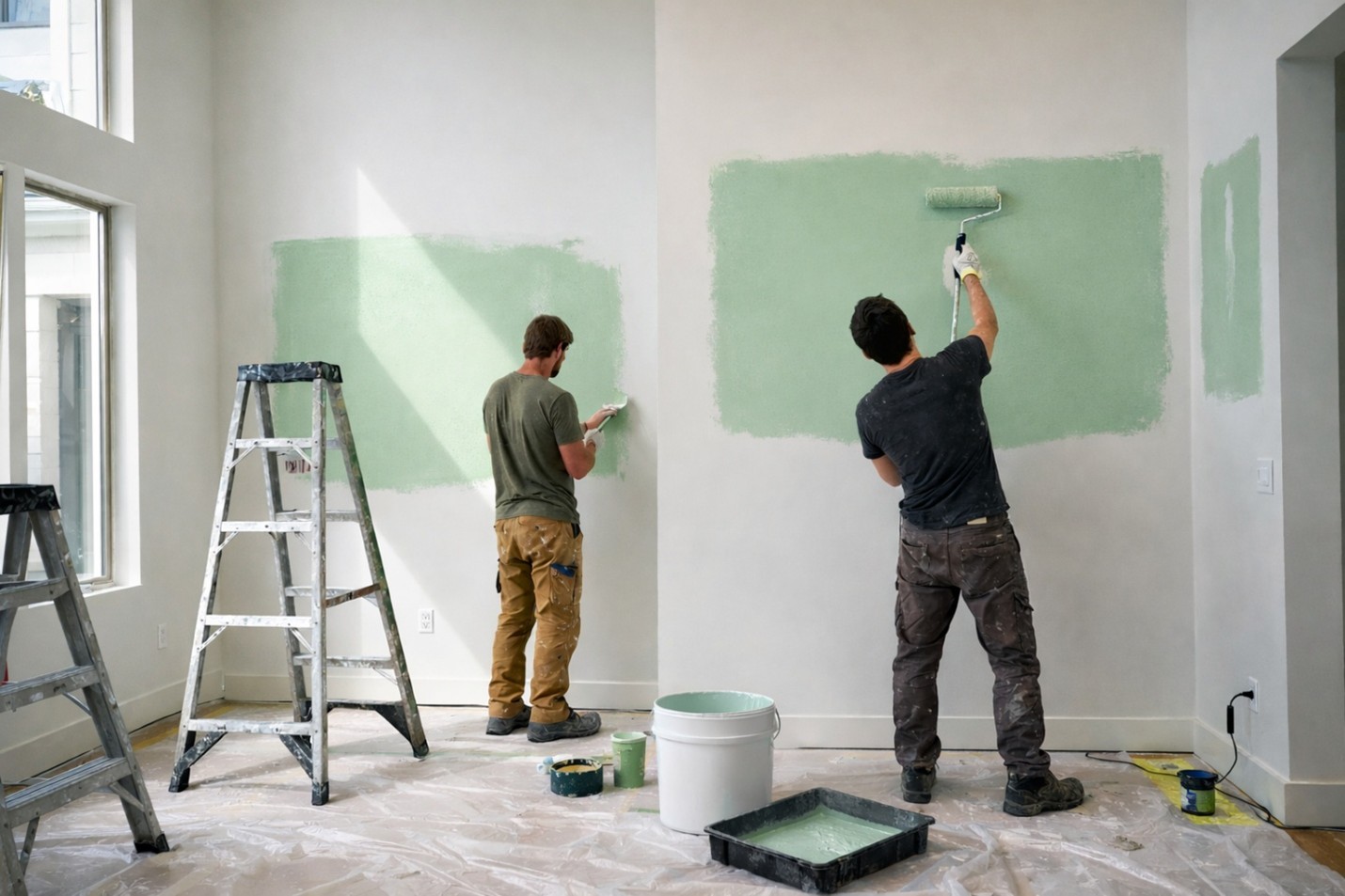
They repaint the wall.
They clean the stain.
They replace a section of trim.
Unfortunately, mold rarely responds to cosmetic fixes.
Consider how a moisture problem can escalate:
| Stage | Potential Consequence |
| Small leak | Minor moisture buildup |
| Unresolved leak | Hidden mold growth |
| Expanding mold | Material deterioration |
| Long-term exposure | Larger restoration needs |
| Structural impact | Higher repair costs |
The lesson is straightforward.
The longer moisture remains unchecked, the larger the remediation project often becomes.
Homeowners often expect mold to appear in bathrooms or basements.
Those are certainly common locations, but professionals frequently discover mold in places owners never suspect.
Behind Kitchen Cabinets
A slow plumbing leak may remain hidden for months.
Beneath Hardwood Flooring
Moisture trapped below flooring systems can create ideal growing conditions.
Inside Attics
Small roof leaks often go unnoticed until mold has spread across insulation or framing.
Around Windows
Condensation and failed seals may create moisture pockets.
Inside Laundry Areas
Water supply lines and drainage systems can develop slow leaks.
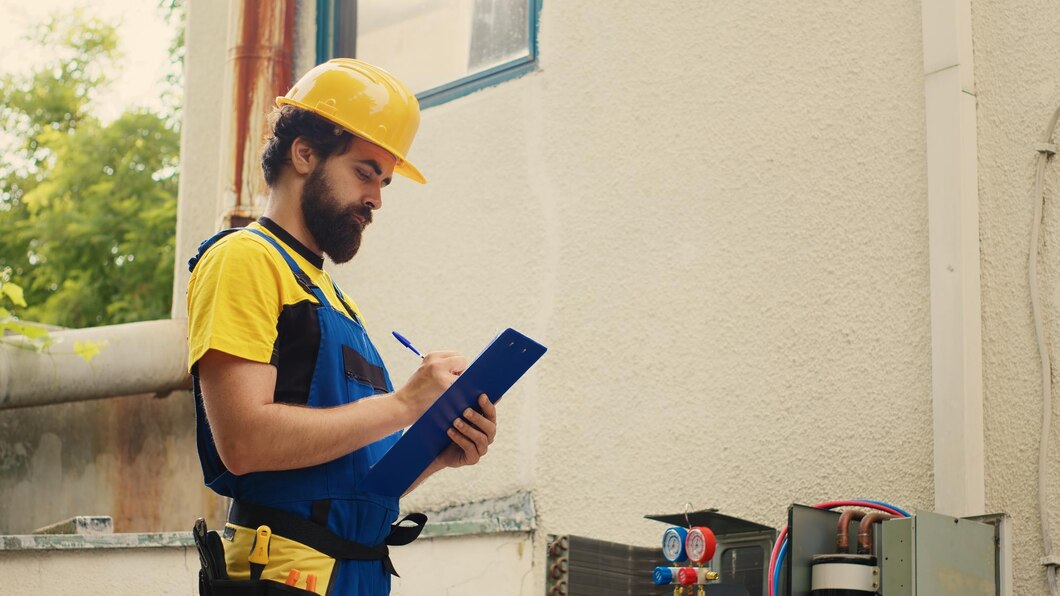
Within HVAC Systems
Condensation around cooling equipment may encourage mold growth.
The challenge is that these areas often remain out of sight until damage becomes visible.
Mold often announces itself quietly.
Before visible growth appears, homeowners may notice subtle changes throughout the house.
Watch for signs such as:
A useful rule of thumb is simple.
If something in the home suddenly smells, looks, or feels different without an obvious explanation, moisture may be involved.
The internet is full of quick-fix mold remedies.
Many involve sprays, cleaners, or household products.
These solutions may remove visible discoloration, but they rarely solve the underlying problem.
Imagine mowing weeds without removing the roots.
The yard may look better temporarily, but the weeds eventually return.
Mold behaves similarly.
Professional remediation focuses on:
Without addressing moisture, mold frequently returns.
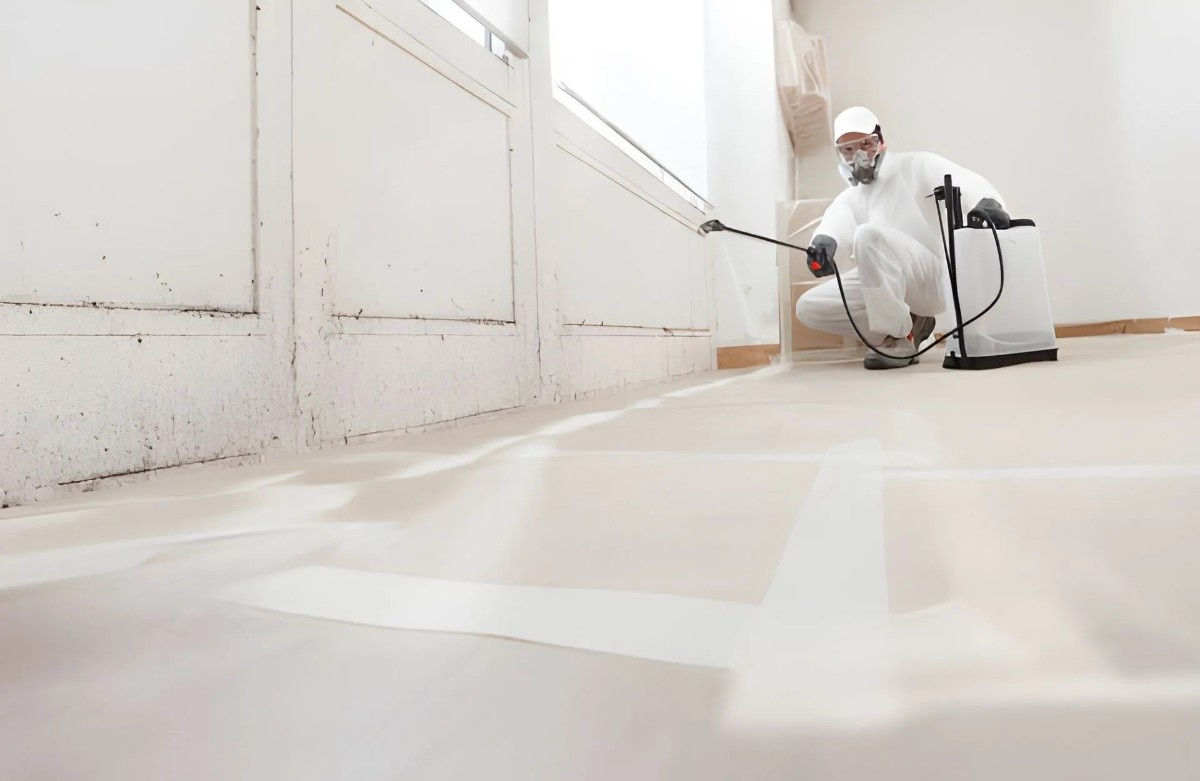
Professional remediation follows a systematic process designed to restore the affected area safely and effectively.
Inspection
Technicians identify moisture sources and affected materials.
Assessment
The extent of contamination is evaluated.
Containment
Special barriers help prevent spores from spreading.
Removal
Damaged materials may be removed when necessary.
Cleaning
Remaining surfaces are professionally cleaned.
Drying
Moisture is eliminated using specialized equipment.
Verification
The area is evaluated to confirm successful remediation.
This process helps ensure the problem is addressed at its source.
Mold remediation provides benefits that extend well beyond cleanup.
Protects Property Value
Buyers are more confident in homes that have been professionally maintained.
Preserves Structural Materials
Early intervention helps reduce damage to wood, drywall, and flooring.
Improves Indoor Air Quality
Removing mold and moisture can create a fresher indoor environment.
Helps Prevent Future Damage
Addressing moisture issues today may help avoid expensive repairs later.
Supports Long-Term Home Maintenance
Remediation often reveals hidden issues before they become major concerns.
For many homeowners, remediation becomes part of a larger strategy to protect one of their most valuable investments.
Mold prevention starts with moisture management.
Homeowners can reduce risk by:
These simple steps can significantly reduce the likelihood of mold-related problems.
The goal is not just preventing mold. It is protecting the long-term health of the entire home.
The biggest mistake homeowners make is assuming mold is only a surface issue. In reality, mold often signals a deeper moisture problem that can affect walls, flooring, insulation, and structural materials. What begins as a small stain or faint odor may eventually lead to costly repairs if left unaddressed.
For homeowners in Castle Pines, professional remediation provides more than mold removal. It offers peace of mind, protects property value, and helps preserve the integrity of the home for years to come.
Colorado Field Services helps homeowners identify hidden moisture issues, remove mold safely, and restore affected spaces with a thorough, professional approach.
If you suspect mold growth, unusual odors, or signs of water damage, contact Colorado Field Services today. Learn more about their residential mold removal services in Castle Pines, CO, and discover how early action can help protect your home from larger problems down the road.
1. Can mold grow behind walls without being visible?
Yes. Mold frequently develops behind drywall, insulation, cabinets, and flooring where moisture remains trapped.
2. How do I know if a musty smell is mold?
A persistent earthy or musty odor often indicates excess moisture or hidden mold growth, even when no visible mold is present.
3. Does homeowners insurance cover mold remediation?
Coverage depends on the cause of the mold and the details of the policy. Water damage from covered events may qualify, while maintenance-related issues often do not.
4. How quickly can mold spread after water damage?
Under the right conditions, mold can begin growing within 24 to 48 hours after moisture exposure.
5. Is it safe to stay in a house during mold remediation?
The answer depends on the size and location of the affected area. Professional remediation companies can provide guidance based on the specific project.
6. What is the difference between mold removal and mold remediation?
Mold removal focuses on eliminating visible mold. Mold remediation addresses both the mold and the underlying moisture conditions that caused the problem.
 basement finishing
Bathroom Renovation
Blog Category
Concrete Patio Installation
Concrete Sidewalk Installers
Countertop Installation Services
Emergency HVAC Service
Exterior Painting Castle Pines
General Contractor
Granite Countertop
Granite Countertops
Heating System Installation
Indoor Air Quality
Interior Painting
Mold Remediation
mold remediation colorado
Painting Contractors
Poured Concrete Services
Quartz Countertop Installation
Quartz Kitchen Countertop Installation
Residential Concrete Services
Tenant Improvement
Uncategorized
basement finishing
Bathroom Renovation
Blog Category
Concrete Patio Installation
Concrete Sidewalk Installers
Countertop Installation Services
Emergency HVAC Service
Exterior Painting Castle Pines
General Contractor
Granite Countertop
Granite Countertops
Heating System Installation
Indoor Air Quality
Interior Painting
Mold Remediation
mold remediation colorado
Painting Contractors
Poured Concrete Services
Quartz Countertop Installation
Quartz Kitchen Countertop Installation
Residential Concrete Services
Tenant Improvement
Uncategorized