“Mold does not start as a crisis, it begins as a quiet signal from your home that something is not right.”
That is often how homeowners in Castle Pines first realize a problem exists. A faint odor in a corner, a small stain on the wall, or a patch near a window that slowly grows darker. By the time it becomes visible, mold has usually already spread deeper into materials that you cannot see.
For homes in Colorado, this issue is more common than many people expect. Shifting temperatures, seasonal snow, indoor humidity, and hidden moisture create the perfect environment for mold growth. Colorado Field Services understands how quickly this can turn into a health and structural concern, which is why professional mold remediation plays a critical role in protecting homes.
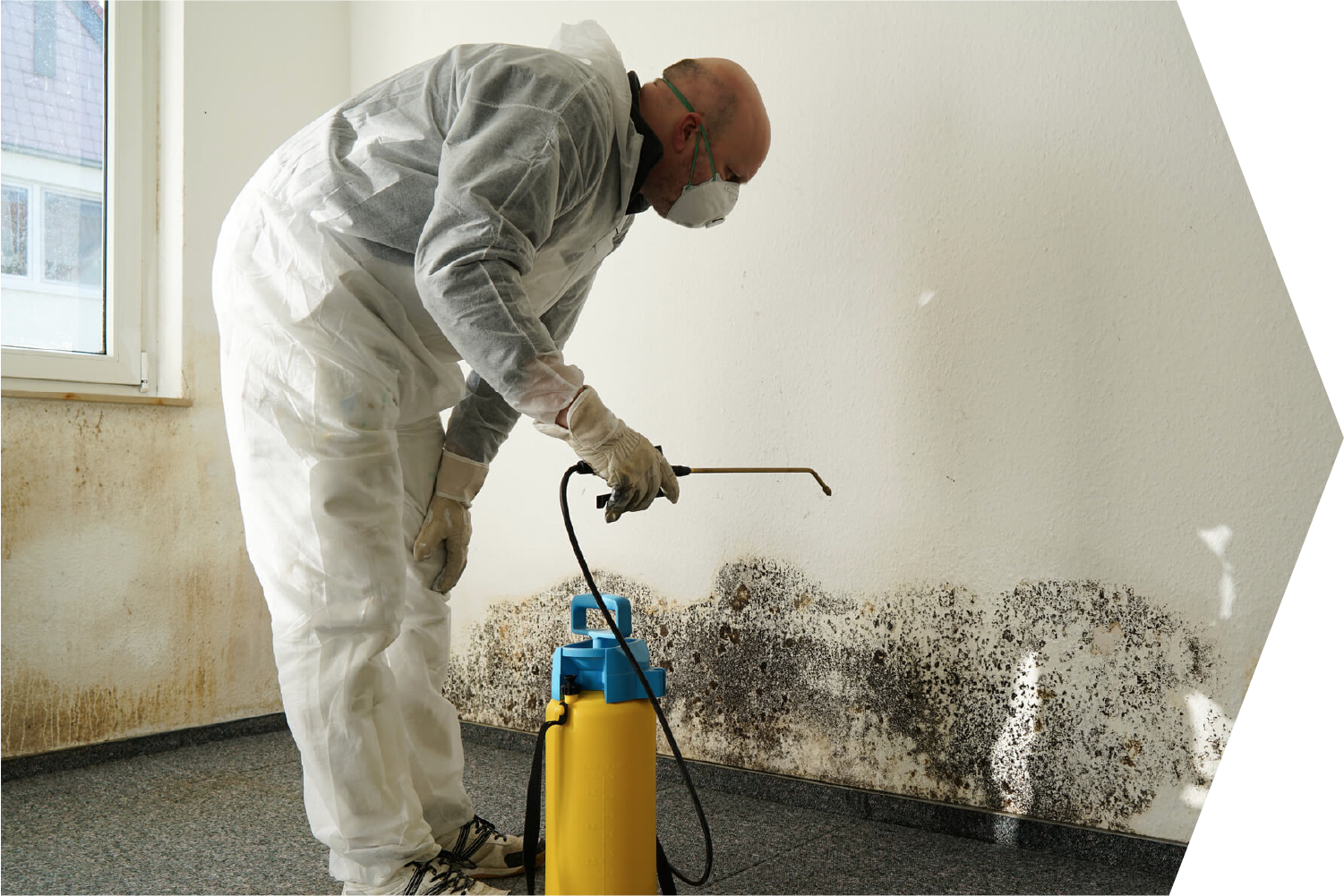
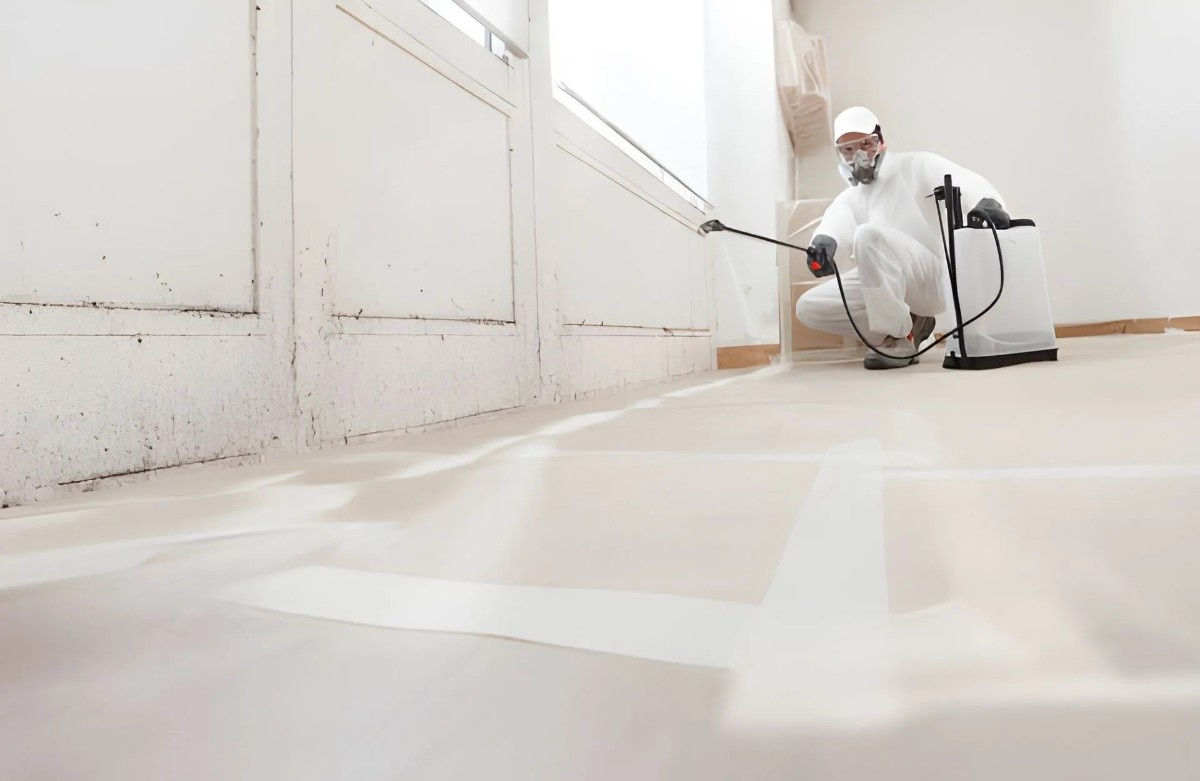
Mold remediation is more than just cleaning visible mold. It involves identifying the source of moisture, containing affected areas, removing contaminated materials, and restoring indoor air quality.
Unlike simple surface cleaning, remediation focuses on the root cause. If moisture stays, mold returns. That is why professionals approach it as a full system process rather than a quick fix.
In Castle Pines homes, this often includes:
Castle Pines experiences a mix of dry air and sudden moisture shifts. That combination confuses many homeowners because mold is often associated with humid regions only.
However, mold only needs three things:
In Castle Pines, these conditions often appear due to:
Even a small unnoticed leak can trigger mold growth within 24 to 48 hours.
Mold is not just a Colorado issue. Across the United States, it affects homes in both humid and dry climates.
The impact usually falls into three categories:
Mold slowly breaks down materials like drywall, wood, insulation, and ceiling panels. Over time, this weakens the structure of the home.
Spores circulate through HVAC systems and affect every room. This leads to stale air and lingering odors.
Homes with visible or past mold issues often lose market value unless properly remediated and documented.
Mold rarely grows in open, well-lit areas first. It prefers hidden and low-disturbance spaces.
Typical locations include the following:
A simple table helps understand risk zones better:
|
Area of Home |
Risk Level |
Common Cause |
|
Basement |
High |
Ground moisture seepage |
|
Bathroom |
High |
Steam and poor ventilation |
|
Kitchen |
Medium |
Plumbing leaks |
|
Attic |
Medium |
Roof leaks and condensation |
|
Living room walls |
Low-Medium |
Hidden pipe leaks |
Professional mold remediation follows a structured approach. Colorado Field Services uses a step-by-step method to ensure nothing is missed.
Technicians identify visible mold and trace moisture sources using detection tools.
Affected areas are sealed to prevent spores from spreading to clean spaces.
Special air scrubbers help reduce airborne spores during the process.
Contaminated materials like drywall or insulation are safely removed when necessary.
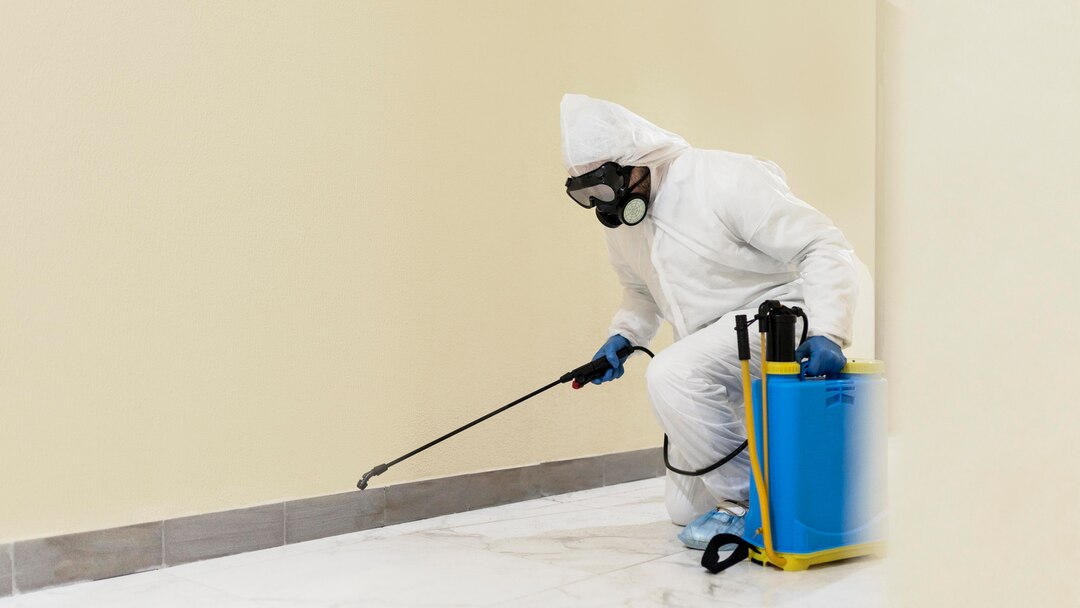
Surfaces are treated to eliminate remaining spores.
Moisture is removed completely, and preventive steps are applied to reduce recurrence.
Mold is not always visible, but its effects can be noticeable in daily life.
The longer mold stays untreated, the deeper it spreads into structural layers.
Prevention is often simpler than remediation, but it requires consistency.
Key prevention steps include:
Small habits often prevent large repair costs later.
Mold removal is not just about cleaning what you can see. The real challenge is what you cannot see.
Professional teams bring:
DIY cleaning may reduce surface mold, but it rarely removes the root cause. That is why recurrence is common without professional help.
Colorado Field Services focuses on identifying both visible and hidden mold issues so the home is not just cleaned but stabilized for the future.
Mold problems rarely announce themselves loudly. They grow quietly, spread slowly, and become expensive when ignored. Homes in Castle Pines face unique moisture conditions that make early detection and professional remediation important.
A clean home is not only about appearance. It is about air quality, safety, and long-term structural health.
For homeowners dealing with persistent moisture or visible mold growth, timely action makes all the difference. Professional inspection and remediation help restore both comfort and safety inside the home.
For expert help with safe and thorough mold removal, connect with Colorado Field Services. Learn more about reliable solutions through mold remediation services in Colorado
1. What is mold remediation in simple terms?
Mold remediation is the process of removing mold, fixing moisture problems, and restoring clean indoor air quality.
2. How long does mold remediation take in a home?
It depends on the size of the affected area. Small spaces may take a day or two, while larger infestations may take several days.
3. Can mold come back after remediation?
Yes, if moisture issues are not fixed. Proper remediation focuses on both removal and prevention.
4. Is mold in homes dangerous for health?
It can affect breathing and trigger allergies, especially for children, seniors, and sensitive individuals.
5. What are the first signs of mold in a house?
Musty odors, dark wall spots, peeling paint, and persistent dampness are common early signs.
6. Do all mold problems require professional help?
Small surface mold can sometimes be cleaned, but hidden or recurring mold usually needs professional inspection and treatment.
 basement finishing
Bathroom Renovation
Blog Category
Concrete Patio Installation
Concrete Sidewalk Installers
Countertop Installation Services
Emergency HVAC Service
Exterior Painting Castle Pines
General Contractor
Granite Countertop
Granite Countertops
Heating System Installation
Indoor Air Quality
Interior Painting
Mold Remediation
mold remediation colorado
Painting Contractors
Poured Concrete Services
Quartz Countertop Installation
Quartz Kitchen Countertop Installation
Residential Concrete Services
Tenant Improvement
Uncategorized
basement finishing
Bathroom Renovation
Blog Category
Concrete Patio Installation
Concrete Sidewalk Installers
Countertop Installation Services
Emergency HVAC Service
Exterior Painting Castle Pines
General Contractor
Granite Countertop
Granite Countertops
Heating System Installation
Indoor Air Quality
Interior Painting
Mold Remediation
mold remediation colorado
Painting Contractors
Poured Concrete Services
Quartz Countertop Installation
Quartz Kitchen Countertop Installation
Residential Concrete Services
Tenant Improvement
Uncategorized