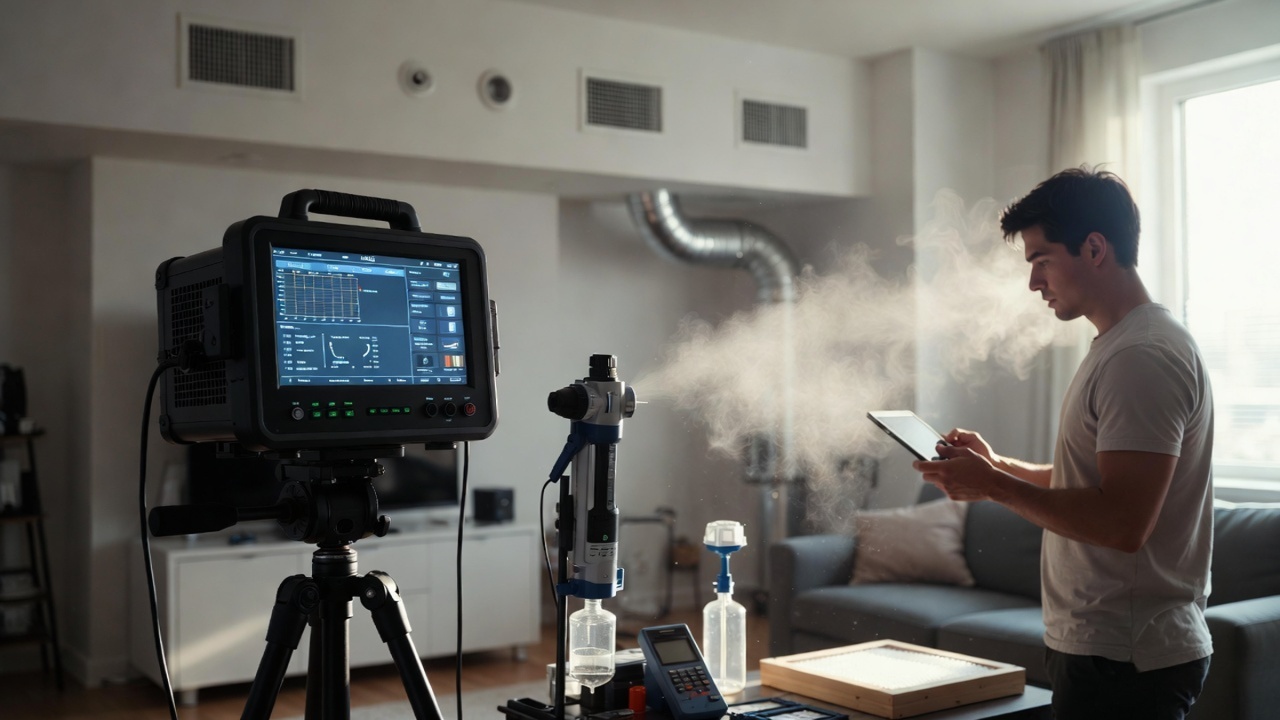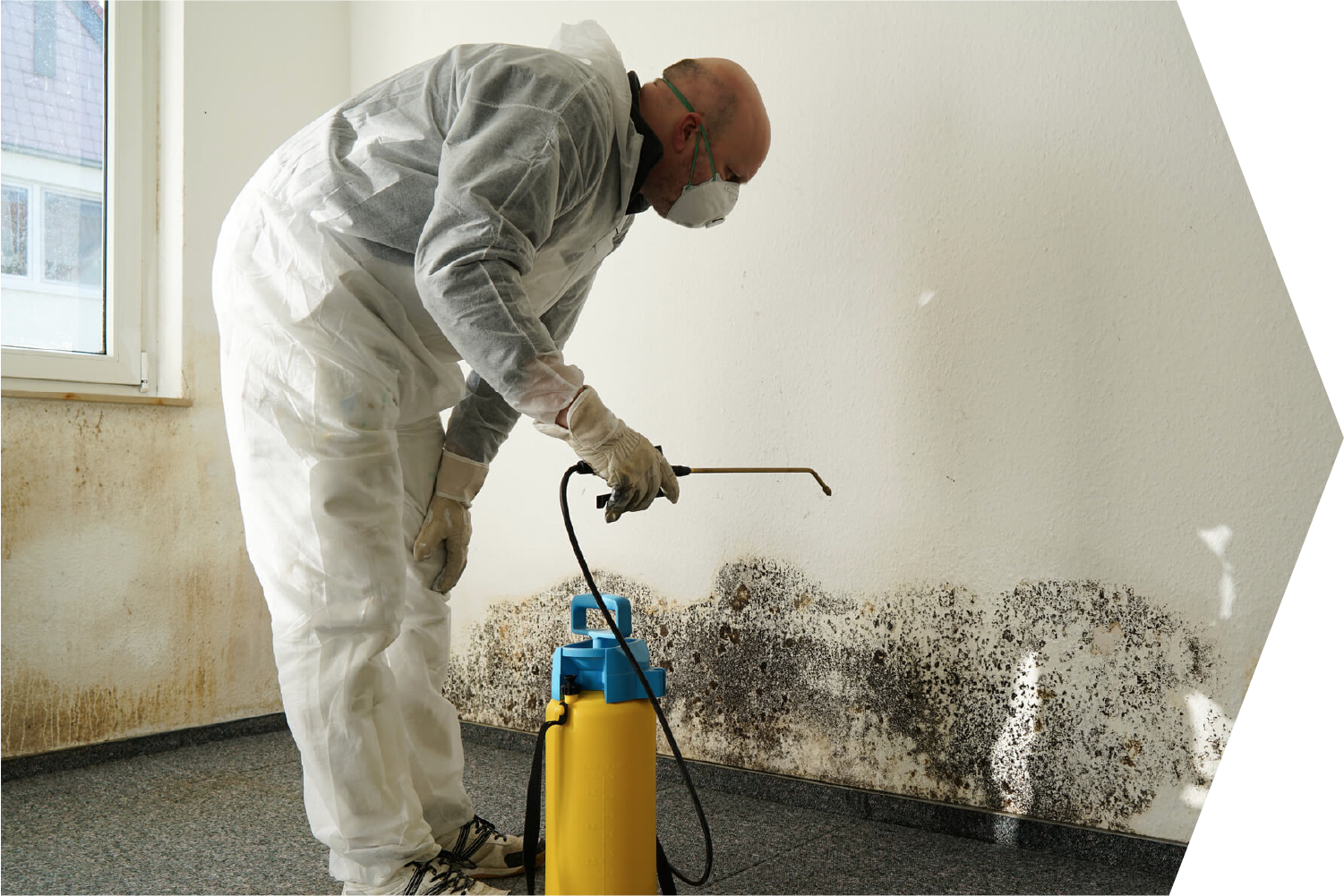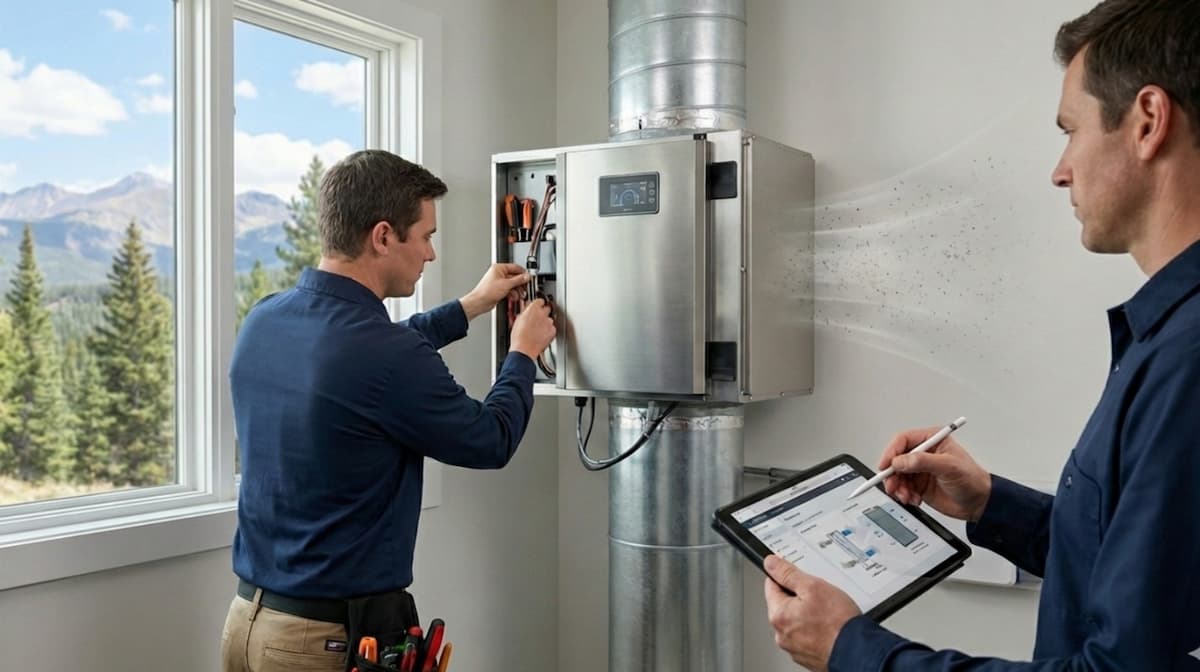
Clean air is not a luxury; it is essential to health, comfort, and daily quality of life. According to the United States Environmental Protection Agency, people spend around 90 percent of their time indoors, where air can be up to five times more polluted than outdoors. This invisible threat of indoor pollutants makes air purification and filtration solutions in Colorado a vital part of modern home and commercial environments.
At Colorado Field Services, we understand that every breath matters. Whether you are at home in Denver, at work in Colorado Springs, or entertaining in Fort Collins, access to clean, pollutant-free air is not optional; it is fundamental to well-being.
Air purification and filtration refer to the processes and technologies used to remove contaminant particles and gases from the air. A filter captures airborne particles, while a purifier can more actively eliminate microscopic contaminants that affect health, comfort, and productivity.
A typical high-quality system uses a combination of mechanical filters like HEPA (High Efficiency Particulate Air) and activated carbon with advanced technologies that neutralize pollutants and airborne pathogens.
Clean air significantly impacts human health, performance, and comfort. Poor air quality inside homes or businesses can lead to allergies, asthma, respiratory irritation, and long-term health issues. In the USA indoor air quality has become a focus of public health efforts as pollutant exposure continues to rise due to urban development, persistent outdoor pollution, and increased time spent indoors.
In Colorado communities seasonal factors such as wildfires, pollen concentrations, temperature inversions, and dust contribute to challenging air quality conditions that make effective air purification solutions essential.
Here is a table summarizing the common types of air purification and filtration technologies available today.
| Solution Type | What it Does | Common Use |
| HEPA Filters | Removes 99.97 percent of particles 0.3 microns and larger | Homes businesses allergy control |
| Activated Carbon Filters | Traps VOCs gases odors smoke | Pet owners kitchens offices |
| UV Light Purifiers | Reduces biological contaminants like bacteria and mold | Healthcare facilities schools |
| Whole House Systems | Integrated into HVAC filters air throughout the building | Residential and commercial HVAC |
| Portable Air Purifiers | Standalone units for specific rooms | Apartments small spaces |
| Advanced Purification Tech | Neutralizes pathogens and ultrafine particles | Places with high health standards |
At its core, air cleaning moves polluted air through filters or purification modules where unwanted particles and gases are captured or neutralized. Mechanical filtration is the backbone of most systems, with HEPA filters capturing dust, smoke, allergens, and mold spores. Activated carbon targets odors, VOCs, and harmful gases.
Purification technologies like UV treatment or reactive purification systems go a step further by deactivating germs, bacteria, and viruses in the air. Some advanced purifiers use proprietary technology to enhance particle removal efficiency without producing harmful byproducts.
The key to success is matching the right technology to the problem. For example, a residential living room may benefit most from an HEPA and carbon combination, while a medical facility may require advanced purification technology with UV and pathogen neutralization.
Partnering with a trained team like Colorado Field Services delivers advantages beyond just plugging in a unit.
A professional will evaluate your space’s ventilation, existing HVAC capacity, and indoor pollutant sources to recommend a tailored solution.
Systems must be sized to the area airflow and pollutant load to perform efficiently.
Whole building solutions often integrate with your HVAC system to provide continuous air quality improvements across all rooms.
Professional systems can include monitoring that alerts you when filters need replacement or when air quality changes.
Correct installation and selection reduces energy usage and maintenance costs and extends equipment life through optimized performance.
When selecting an air purification and filtration system, consider these steps:
Larger spaces need systems with higher airflow capability.
Are you dealing with dust, pollen, odor, smoke, VOCs, or biological contaminants?
Look for independently tested performance ratings to ensure reliability.
Whole-house systems require ductwork planning, while portable units are standalone.
A certified installer ensures all components operate at peak performance.
From residential homes to commercial offices, hospitals, and schools, Colorado Field Services is equipped to guide you through every step.
Regular maintenance keeps systems working at their best:
These practices help maintain peak performance and improve indoor air health.
Air purification and filtration solutions play a critical role in creating healthier indoor environments across Colorado. From reducing airborne allergens to improving overall comfort, clean indoor air supports better living and working conditions for families and businesses alike.
Colorado Field Services provides professional air purification solutions designed to match the needs of each space, ensuring reliable performance and long-term value. Just as property owners rely on trusted decorative concrete patio contractors near me to enhance outdoor spaces, investing in high-quality indoor air solutions helps protect comfort, health, and property value year-round.
An air purifier removes airborne particles such as dust, pollen, smoke, and allergens from indoor spaces. By continuously filtering and cleaning the air, it helps create a healthier environment and reduces exposure to common pollutants.
These systems draw indoor air through multiple layers of filtration that capture particles and absorb gases. Cleaned air is then circulated back into the space, helping maintain consistent indoor air quality.
Colorado experiences seasonal air quality challenges, including wildfire smoke, pollen, and dust. Air purification systems help reduce indoor exposure to these pollutants and support healthier indoor environments.
The right system depends on space size, air quality concerns, and usage patterns. A professional evaluation ensures the system is properly sized and suited to the environment.
Air purifiers can reduce airborne allergens that trigger symptoms. Cleaner air often leads to improved comfort for individuals with allergies or respiratory sensitivities.
Maintenance frequency depends on system type and usage. Regular filter replacement and periodic inspections help ensure continued performance and reliability.
 basement finishing
Bathroom Renovation
Blog Category
Concrete Patio Installation
Concrete Sidewalk Installers
Countertop Installation Services
Emergency HVAC Service
Exterior Painting Castle Pines
General Contractor
Granite Countertop
Granite Countertops
Heating System Installation
Indoor Air Quality
Interior Painting
Mold Remediation
mold remediation colorado
Painting Contractors
Poured Concrete Services
Quartz Countertop Installation
Quartz Kitchen Countertop Installation
Residential Concrete Services
Tenant Improvement
Uncategorized
basement finishing
Bathroom Renovation
Blog Category
Concrete Patio Installation
Concrete Sidewalk Installers
Countertop Installation Services
Emergency HVAC Service
Exterior Painting Castle Pines
General Contractor
Granite Countertop
Granite Countertops
Heating System Installation
Indoor Air Quality
Interior Painting
Mold Remediation
mold remediation colorado
Painting Contractors
Poured Concrete Services
Quartz Countertop Installation
Quartz Kitchen Countertop Installation
Residential Concrete Services
Tenant Improvement
Uncategorized