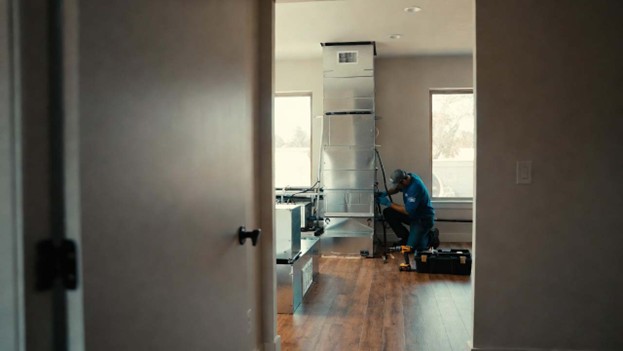
A comfortable home rarely happens by accident. Behind steady indoor temperatures and fresh airflow sits a well-planned heating and cooling system. In fact, the U.S. Department of Energy reports that heating and cooling account for almost half of the energy used in an average American household. That single statistic tells an important story. The way an HVAC system is installed can influence comfort, air quality, and energy costs for many years.
Homeowners in Castle Pines often ask a simple question. Why do some homes feel perfectly balanced while others struggle with uneven temperatures and rising energy bills? The answer usually points back to the installation process. A carefully designed HVAC setup can transform how a home feels and performs.
Colorado Field Services helps homeowners understand how heating and cooling installation services in Colorado work and why they play such a large role in residential comfort across the United States.
Most people only notice their HVAC system when something goes wrong. A room becomes too hot. The air suddenly feels stale. The system starts running longer than usual. These small changes often signal deeper issues within the heating and cooling setup.
Think about a typical evening at home. Someone adjusts the thermostat. Air moves quietly through vents. Every room stays comfortable without anyone thinking about it. That quiet reliability comes from a well-designed HVAC installation.
When installation is rushed or poorly planned, homeowners may face problems such as
A properly installed HVAC system solves these issues before they begin.
Heating and cooling systems operate as a network of components that work together. Many homeowners assume the furnace or air conditioner does all the work. In reality, the system relies on several connected elements.
The HVAC system controls
When one part of the system is installed incorrectly, the entire setup can struggle.
For example, if ductwork is too small, airflow becomes restricted. If the system is too large for the house, it may turn on and off too quickly. Both situations reduce efficiency and comfort.
Professional installation focuses on creating a balanced system where every part supports the others.
Castle Pines homes vary in layout, size, and construction style. Some houses feature open floor plans while others include multiple levels and large living areas. Because of this variety, HVAC installation requires careful planning.
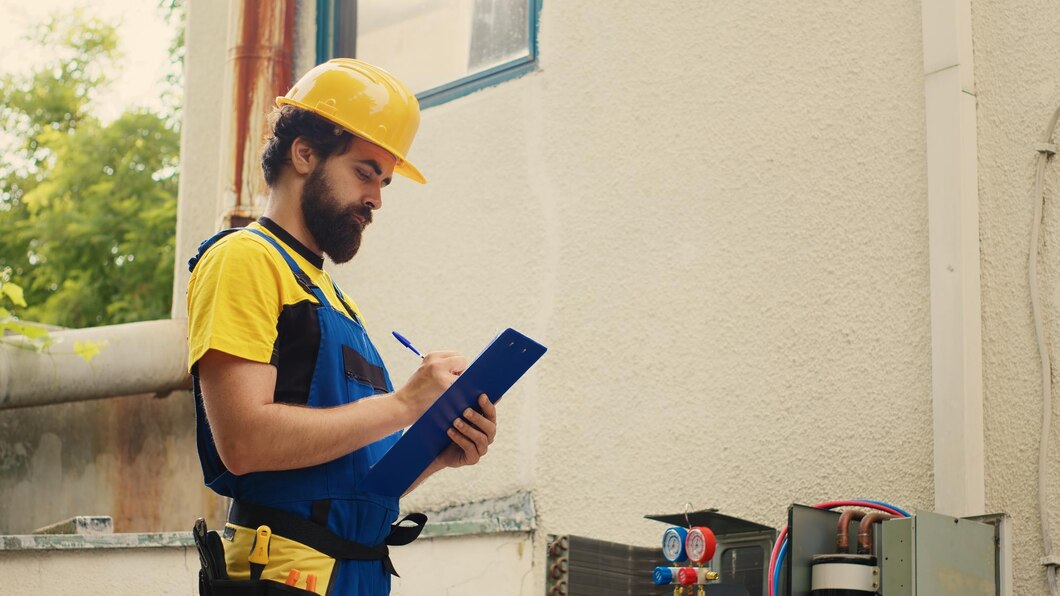
Local installers begin with a home assessment. They evaluate insulation levels, ceiling heights, window placement, and overall square footage. These details help determine how much heating and cooling power the home needs.
Without this evaluation, homeowners risk installing a system that is either too large or too small.
An oversized system cools or heats the home quickly but shuts off too soon, which prevents proper air circulation. An undersized system runs constantly and struggles to maintain comfortable temperatures.
Balanced installation avoids both extremes.
Many homeowners imagine installation as simply placing a furnace or air conditioner inside the home. The real process involves several detailed steps.
Professional HVAC installation often includes
Each step helps ensure the system performs as expected.
Homes across the United States use several types of HVAC systems. The right option depends on home size, climate conditions, and energy preferences.
| HVAC System | Primary Function | Common Residential Use |
| Furnace and Central AC | Separate heating and cooling units | Widely used in traditional homes |
| Heat Pump System | Provides both heating and cooling | Energy-efficient option |
| Ductless Mini Split | Zoned temperature control | Useful for additions or renovations |
| Hybrid HVAC System | Combines furnace and heat pump | Flexible temperature control |
| Packaged HVAC Unit | All components in one outdoor unit | Used in compact properties |
Each system requires a different installation approach. Experienced installers determine which option fits the home best.
Temperature is only one part of indoor comfort. HVAC systems also influence how air moves through the home.
Proper airflow ensures that
Poor airflow can cause noticeable problems. Some rooms may feel warm while others remain cold. Dust may accumulate faster. The system may run longer than necessary.
These issues often trace back to installation details such as duct design or equipment placement.
Even high-quality HVAC equipment can perform poorly when installation errors occur. These mistakes may not appear immediately but can cause long-term inefficiencies.
Common installation issues include the following:
For example, placing a thermostat near a window or heat source may cause inaccurate temperature readings. The system then runs longer than needed.
Professional installers understand how these details affect performance and avoid them during installation.
Energy efficiency has become a major concern for homeowners across the United States. Rising energy costs encourage families to look for ways to reduce consumption without sacrificing comfort.
A well-installed HVAC system supports energy savings by
Efficient installation ensures the system operates at its intended performance level.
Sometimes HVAC systems reach a point where repairs no longer provide reliable results. Homeowners may begin to notice patterns that indicate the need for a replacement installation.
Common signs include
When these issues appear together, a new installation may provide a more practical long-term solution.
Heating and cooling installation requires technical knowledge and real-world experience. The contractor chosen for the job plays a major role in how well the system performs.
Homeowners often look for teams that provide
Colorado Field Services focuses on installation practices designed to improve airflow balance and long-term system performance in residential properties.
Heating and cooling systems quietly shape the daily experience inside a home. When the system is installed correctly, homeowners enjoy steady temperatures, cleaner air, and reliable performance throughout the year.
Professional installation ensures every component works together to support comfort and efficiency. It also helps prevent the hidden problems that often appear in poorly designed HVAC systems.
If your home needs a dependable heating and cooling solution, Colorado Field Services provides expert installation support and rapid response options through emergency HVAC service to restore comfort whenever unexpected issues arise.
 basement finishing
Bathroom Renovation
Blog Category
Concrete Patio Installation
Concrete Sidewalk Installers
Countertop Installation Services
Emergency HVAC Service
Exterior Painting Castle Pines
General Contractor
Granite Countertop
Granite Countertops
Heating System Installation
Indoor Air Quality
Interior Painting
Mold Remediation
mold remediation colorado
Painting Contractors
Poured Concrete Services
Quartz Countertop Installation
Quartz Kitchen Countertop Installation
Residential Concrete Services
Tenant Improvement
Uncategorized
basement finishing
Bathroom Renovation
Blog Category
Concrete Patio Installation
Concrete Sidewalk Installers
Countertop Installation Services
Emergency HVAC Service
Exterior Painting Castle Pines
General Contractor
Granite Countertop
Granite Countertops
Heating System Installation
Indoor Air Quality
Interior Painting
Mold Remediation
mold remediation colorado
Painting Contractors
Poured Concrete Services
Quartz Countertop Installation
Quartz Kitchen Countertop Installation
Residential Concrete Services
Tenant Improvement
Uncategorized