

A water stain on the ceiling does not always tell the whole story. The paint may look dry, the room may feel comfortable, and the original leak may have stopped weeks ago. Yet moisture can remain trapped behind drywall, beneath flooring, or inside wooden framing. Given the right conditions, mold can develop in these concealed spaces and turn a small maintenance issue into a much larger property concern.
This is one reason licensed mold remediation deserves a place in responsible home maintenance. Mold is not simply an unpleasant mark that homeowners need to scrub away. Its presence can point to a moisture problem that affects several parts of a building at once. Understanding how remediation works, what professional qualifications mean, and why proper restoration matters can help American homeowners make better decisions about their properties.
Why Mold Problems are Often Bigger Than They Look
Mold growth rarely begins with an obvious warning. Sometimes it develops after a plumbing leak that went unnoticed behind a kitchen cabinet. In other cases, condensation builds up around windows during colder months, or a basement wall absorbs moisture after heavy rainfall.
The visible growth is only one part of the problem. Mold can develop on materials such as paper, wood, cardboard, insulation, and drywall when moisture remains available. These materials are common throughout residential construction, which explains why mold can affect both older properties and newly built homes.
The U.S. Environmental Protection Agency notes that mold can begin growing on wet materials within 24 to 48 hours under suitable conditions. A delayed response after water damage can therefore give contamination time to develop.
Consider a leaking bathroom supply line. Water may travel along the subfloor before anyone notices a problem. By the time a homeowner sees discoloration near the baseboard, the moisture may have affected flooring, insulation, or the adjoining wall.
This changes how homeowners should approach mold. Cleaning what they can see is not necessarily the same as resolving what caused it.
How Mold Affects Different Parts of a Home
A house works as a connected structure. Its walls, ceilings, floors, insulation, and ventilation systems influence one another. When moisture enters one area, the effects may extend beyond the original point of entry.
Different building materials also respond differently to prolonged dampness.
| Part of the home | Possible mold-related concern | Why it needs attention |
| Drywall | Growth on paper backing and damp interior surfaces | Contamination may extend behind painted surfaces. |
| Wooden framing | Moisture retention and surface growth | Persistent dampness can contribute to material deterioration. |
| Carpeting | Growth beneath carpet and padding | The visible surface may not reveal the full affected area. |
| Attics | Growth around roof leaks and condensation | Poor ventilation can allow moisture to accumulate. |
| Basements | Growth along walls, flooring, and stored materials | Water intrusion and humidity can create recurring problems. |
| HVAC components | Moisture around coils, drain pans, and ducts | Contamination may affect air-handling areas. |
The Connection Between Mold and Property Maintenance
Mold can change the way homeowners maintain their properties. A recurring musty odor, peeling paint, soft drywall, or warped flooring may indicate that a building has a moisture problem that requires investigation.
These signs should not automatically be treated as proof of mold. However, they deserve attention, particularly when they appear alongside a history of leaks or flooding.
Ignoring the underlying issue can also complicate future renovation work. For example, replacing bathroom flooring without addressing a damp subfloor may leave the original moisture problem unresolved.
A better approach is to investigate the affected area before investing in cosmetic repairs.
What Makes Licensed Mold Remediation Different?
Homeowners often confuse mold cleaning, mold removal, and professional remediation. Although these terms are related, they do not always describe the same scope of work.
Basic cleaning may address a small patch of surface growth. Professional remediation involves evaluating the affected space, identifying moisture conditions, establishing suitable containment, removing contaminated materials, and cleaning the area using appropriate methods.
There is also an important distinction between licensing and certification.
Colorado does not issue a separate statewide mold remediation license. However, contractors may need applicable state or local credentials depending on the work they perform. Professional qualifications, relevant training, insurance, and industry certifications should all form part of a homeowner’s evaluation.
NORMI, the National Organization of Remediators and Mold Inspectors, provides professional training and certifications related to mold inspection, remediation, and indoor environmental services.
A NORMI-certified professional brings specialized knowledge to the assessment and remediation process. Homeowners should still verify the specific credentials and experience of the individual performing the work.
The real value of professional remediation lies in the decisions made throughout the project.
- Which materials can be cleaned?
- Which needs removal?
- How should the affected area be isolated?
- Has the moisture source been corrected?
These questions require more than a household cleaning solution.
The Role of Professional Assessment and Restoration
Mold remediation is closely connected to building restoration. Removing contaminated material may be necessary, but the work does not end there. The affected area must also become suitable for repair and normal use.
A well-planned project generally considers several stages:
Understanding the extent of contamination
The first task is to establish where moisture has travelled and which materials show signs of damage. Professionals examine visible growth, water stains, previous leak locations, and areas with elevated moisture readings. Thermal imaging and moisture meters can help investigate concealed concerns, although these tools do not independently confirm mold.
Separating affected and unaffected spaces
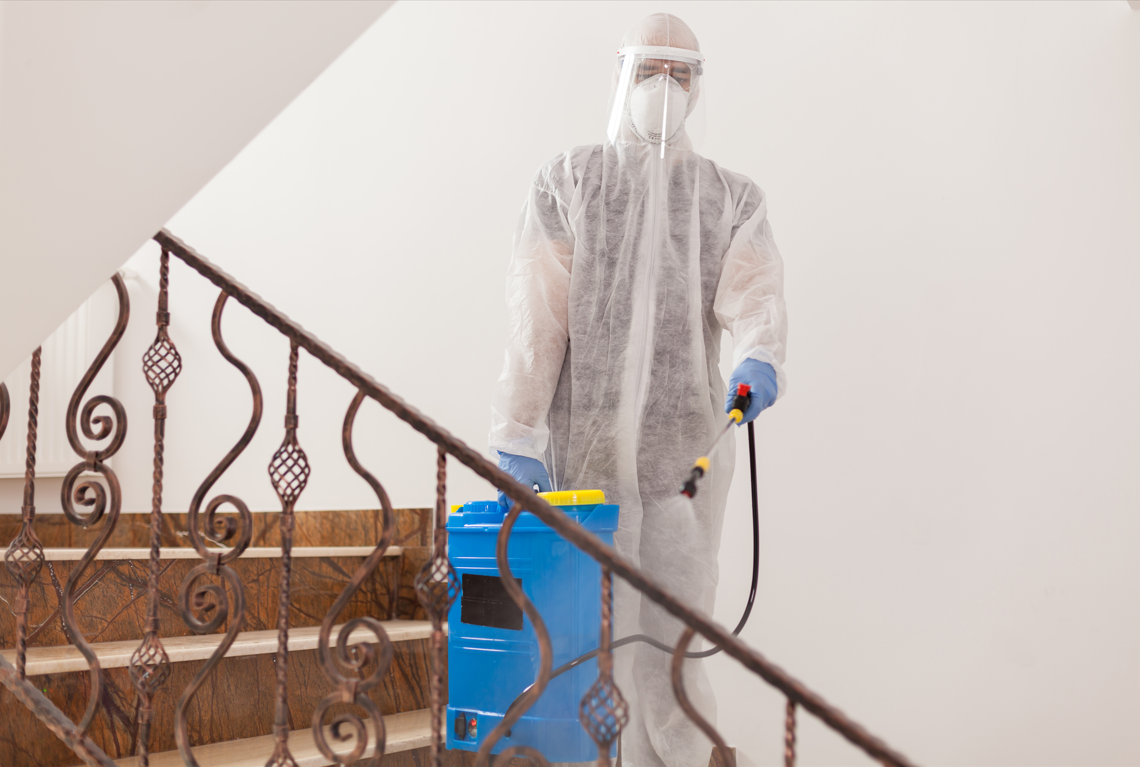
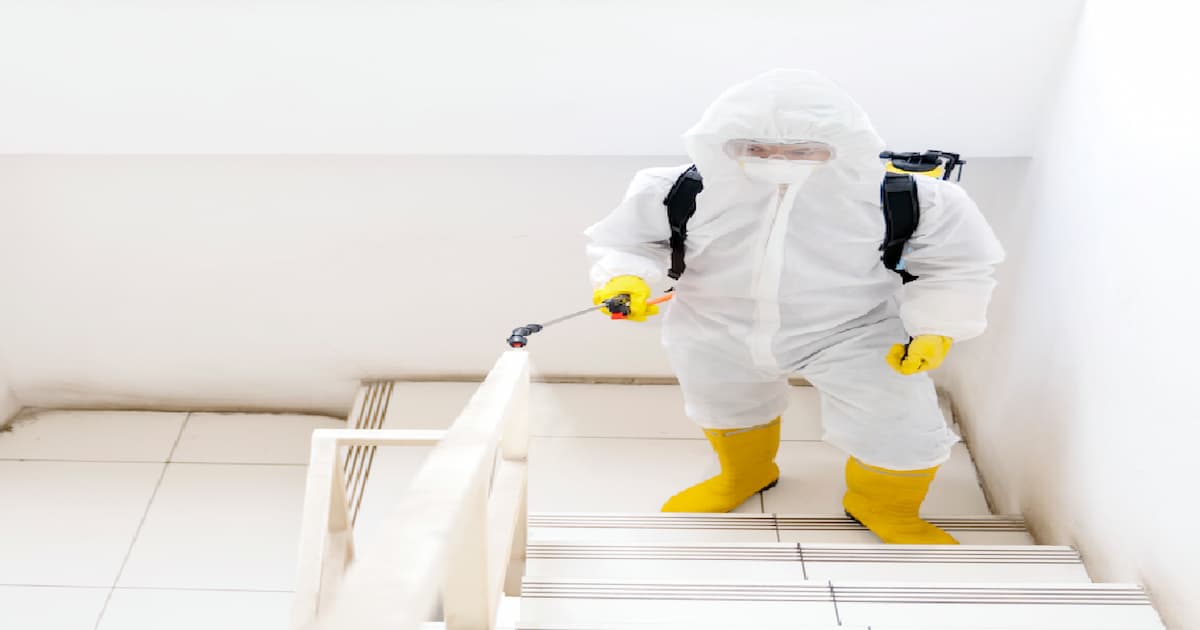
Containment helps limit the movement of dust and mold particles during remediation. Depending on the project’s size, professionals may use plastic barriers, negative air pressure, and HEPA-filtered air equipment.
Making decisions about damaged materials
Not every contaminated surface requires the same treatment. Non-porous materials may be cleaned, while porous materials such as heavily contaminated drywall, carpet padding, and insulation may need removal. The decision depends on the material’s condition and the extent of contamination.
Correcting the original moisture problem
This is one of the most important parts of the project. A leaking pipe, roof defect, drainage issue, or ventilation problem must receive appropriate attention. Otherwise, the conditions that supported the original growth may remain.
Preparing the property for restoration
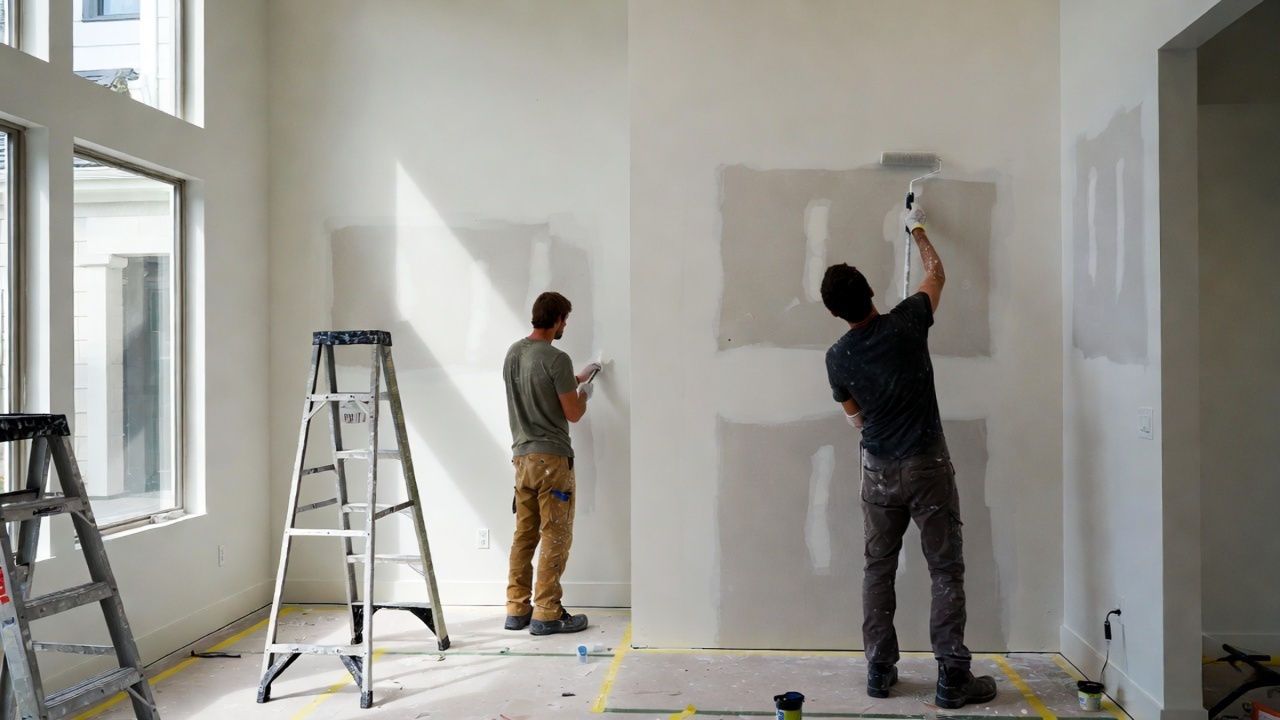
Once remediation and necessary drying are complete, the affected areas can move toward repair. This may involve replacing drywall, restoring flooring, repairing damaged framing, or improving ventilation.
A contractor with construction experience can be particularly useful when remediation involves several building components. It helps connect the cleanup work with the repairs needed to return the space to a functional condition.
Why Colorado Homes Need a Different Moisture Management Approach
Colorado’s climate is often associated with dry air, abundant sunshine, and relatively low humidity. However, these conditions do not make homes immune to mold.
Moisture can enter properties through several routes, and seasonal weather changes create their own maintenance concerns.
- Snow accumulation and melting can expose roof edges, flashing, and drainage systems to repeated moisture.
- Ice dams may prevent melting snow from draining properly, allowing water to move beneath roofing materials.
- Temperature differences between indoor and outdoor environments can contribute to condensation around windows, walls, and poorly insulated spaces.
- Basement water intrusion can occur when drainage systems, foundation areas, or exterior grading do not direct water away effectively.
- Household moisture from cooking, bathing, laundry, and humidifiers can accumulate in spaces without adequate ventilation.
Castle Pines and other Front Range communities experience seasonal changes that make regular property inspections valuable. A home that stays dry during summer may still develop moisture concerns during winter or spring snowmelt.
This is why mold prevention should not depend on climate assumptions. Roof inspections, functioning exhaust fans, plumbing maintenance, and prompt attention to water intrusion all contribute to better moisture management.
What Homeowners Should Look for Before Hiring a Remediation Company
Choosing a remediation contractor is not just about finding someone who can remove visible mold. Homeowners need to understand how the company will approach the entire problem.
A few questions can help establish whether a service provider has the right experience:
- Does the company investigate the moisture source before recommending removal?
- Are its professionals trained or certified in mold inspection and remediation?
- Does the proposed scope explain containment, cleaning, and material removal?
- How will the team protect unaffected rooms and household belongings?
- Does the company carry suitable insurance and applicable contractor credentials?
- Can it coordinate necessary repairs after the remediation work?
Homeowners should also request a written explanation of the findings and recommended work. This makes it easier to understand why certain materials need removal and which repairs may be necessary.
A reliable contractor should explain the process without making exaggerated promises about completely eliminating every mold spore. Mold exists naturally in the environment. The practical objective is to remove established growth, correct moisture conditions, and restore the affected space appropriately.
Colorado Field Services and a More Complete Approach to Property Care
Mold remediation can reveal problems that extend beyond a single wall or room. A damaged section of drywall may connect to a plumbing leak, while attic contamination may require attention to roofing and ventilation. Resolving these concerns calls for an understanding of both remediation and the building itself.
Colorado Field Services brings more than 50 years of combined industry experience to property services across Castle Pines and the Colorado Front Range. Its work includes NORMI-certified mold remediation, moisture diagnostics, indoor air quality services, and property restoration.
The company’s construction background is valuable when a remediation project also requires repairs to affected building materials. Rather than viewing mold as an isolated cleaning concern, the work can be considered within the broader condition of the property.
As a licensed general contractor in Colorado, Colorado Field Services also brings experience in coordinating property improvement and restoration work. Its licensed and insured team offers homeowners a professional point of contact when moisture concerns require attention beyond the visible damage.
Protect the Structure Before the Damage Spreads
A home can appear perfectly maintained while moisture develops in places that remain out of sight. Mold growth is sometimes the first visible indication that a wall, ceiling, floor, or ventilation area needs closer attention.
Professional remediation helps homeowners understand the extent of the issue, address contaminated materials, and correct the conditions responsible for growth. Acting early can also prevent a manageable moisture problem from becoming a more extensive restoration project.
Colorado homeowners can contact Colorado Field Services to discuss mold concerns, arrange an assessment, and request a free estimate. A careful evaluation is a practical first step toward restoring the affected space and protecting the property.
Frequently Asked Questions (FAQs)
- What is the difference between mold remediation and mold removal?
Mold removal generally describes the physical removal or cleaning of visible growth. Remediation involves a broader process that includes investigating moisture, containing affected areas, removing contaminated materials, and correcting the conditions that support mold growth. - How do professionals find mold behind walls?
Professionals investigate water stains, musty odors, moisture readings, and areas with a history of leaks. Moisture meters and thermal imaging can help identify suspicious areas. When necessary, a controlled inspection may involve opening part of a wall to examine concealed materials. - How quickly can mold grow after water damage?
Under suitable moisture and temperature conditions, mold can begin growing on wet materials within 24 to 48 hours. This is why homeowners should address leaks, flooding, and damp building materials as soon as possible instead of waiting for visible growth. - Can mold affect a home’s resale value?
Mold concerns and unresolved moisture damage can complicate a property sale. Buyers may request professional inspections, remediation records, or additional repairs before proceeding. Proper documentation of completed work can help explain how the issue was addressed. - Is mold remediation covered by homeowners insurance?
Coverage depends on the policy and the cause of the moisture damage. Some policies may cover mold resulting from a sudden and accidental event, such as a burst pipe. Damage associated with long-term leaks, neglect, or maintenance issues may be excluded. - How can homeowners prevent mold from returning?
Homeowners should repair leaks promptly, maintain functioning exhaust fans, keep indoor humidity below 60% where practical, and dry water-damaged materials quickly. Regular inspections of roofs, basements, plumbing, and HVAC drainage can also help identify moisture concerns before they develop into larger problems
Category
 basement finishing
Bathroom Renovation
Blog Category
Concrete Patio Installation
Concrete Sidewalk Installers
Countertop Installation Services
Emergency HVAC Service
Exterior Painting Castle Pines
General Contractor
General Contractors
Granite Countertop
Granite Countertops
Heating System Installation
Home Air Quality Inspection
HVAC Maintenance Service
Indoor Air Quality
Interior Painting
Mold Remediation
mold remediation colorado
Painting Contractors
Poured Concrete Services
Quartz Countertop Installation
Quartz Kitchen Countertop Installation
Residential Concrete Services
Tenant Improvement
Uncategorized
Recent Posts