A mold emergency rarely starts with a large black patch on the wall. It usually begins with a small leak, a damp smell, or a stain that most homeowners ignore.
Many people believe mold appears overnight. In reality, it often grows quietly behind walls, beneath flooring, or inside ceilings long before it becomes visible. By the time you notice discoloration or a musty odor, moisture has already created the perfect environment for mold to spread.
That is why emergency mold removal in Castle Pines is not simply about cleaning mold. It is about stopping moisture from causing bigger problems before repairs become expensive. Whether the issue comes from a burst pipe, roof leak, overflowing appliance, or unexpected flooding, every hour matters.
Colorado Field Services helps homeowners respond quickly with professional inspections, safe mold removal, EPA-compliant cleaning, and practical solutions that reduce the chance of mold returning.
Most mold problems do not begin where people expect.
A dripping pipe behind a bathroom cabinet. A slow roof leak after a storm. A washing machine hose that leaks just enough water every day. These are the situations that create hidden moisture.
Because the damage stays out of sight, homeowners continue with daily life until they notice peeling paint, warped flooring, or an unpleasant smell.
By then, mold has already spread beyond the original leak.
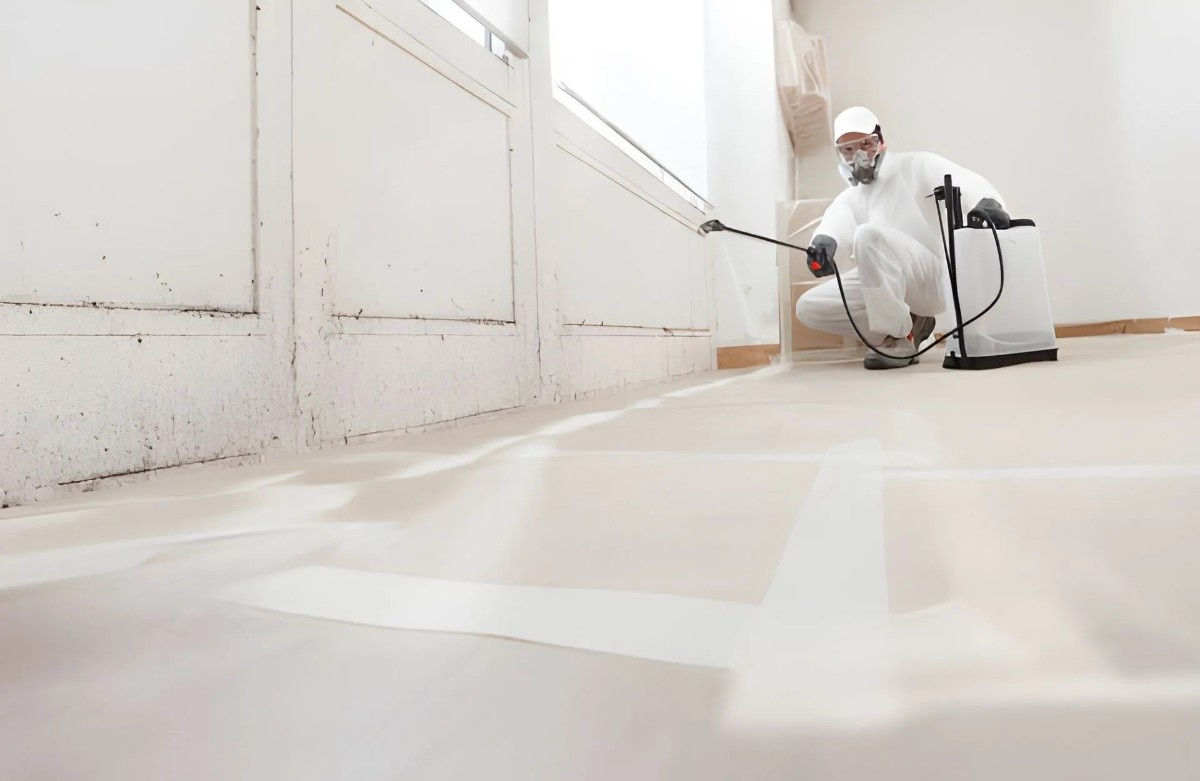
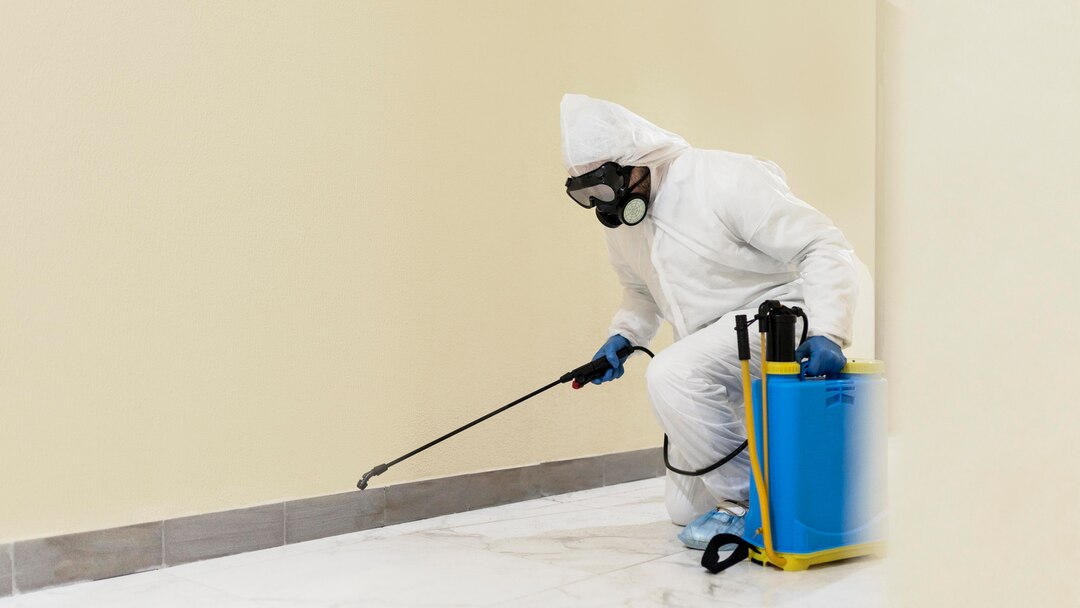
Emergency mold removal focuses on stopping this chain reaction before it affects larger areas of the property.
Imagine you discover mold in your laundry room this morning.
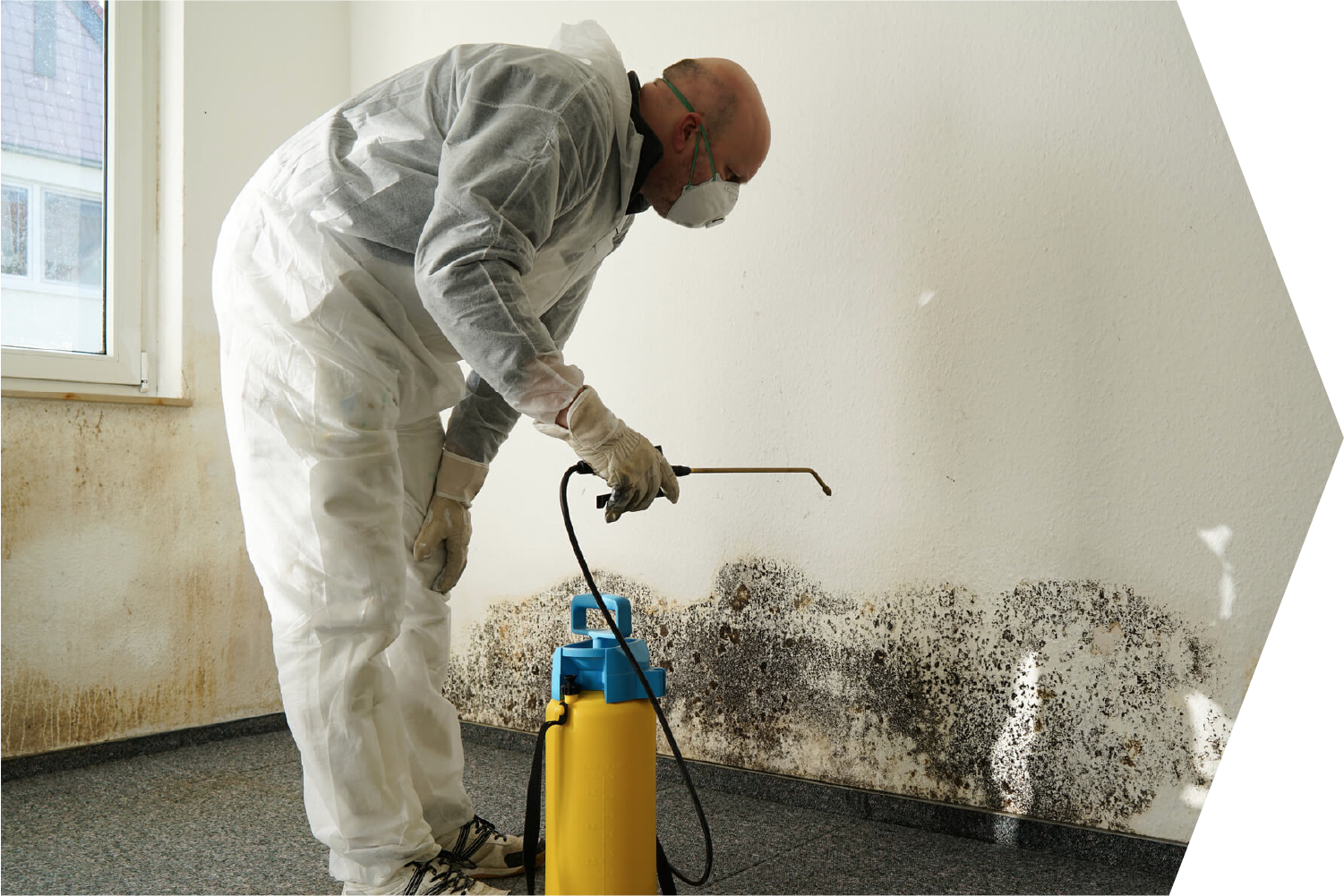
Your first thought might be to wipe it away with a household cleaner. The problem is that visible mold is often only a small part of what exists.
Here is what professionals recommend during the first day.
| Time | Recommended Action |
| Immediately | Stop the water source if possible. |
| First few hours | Avoid disturbing the affected area. |
| Same day | Schedule a professional inspection. |
| During inspection | Moisture sources are identified and contained. |
| After inspection | A restoration plan begins before mold spreads further. |
Acting early often reduces both repair costs and restoration time.
Colorado’s dry climate makes many homeowners believe mold is uncommon.
The truth is different.
Mold only needs moisture. It does not require a humid environment all year.
Castle Pines homes can experience moisture from
Even newer homes can develop mold if hidden moisture remains trapped for several days.
One reason mold becomes an emergency is that it prefers hidden spaces.
Instead of growing in open areas, it often develops where moisture remains trapped.
Some common hiding places include
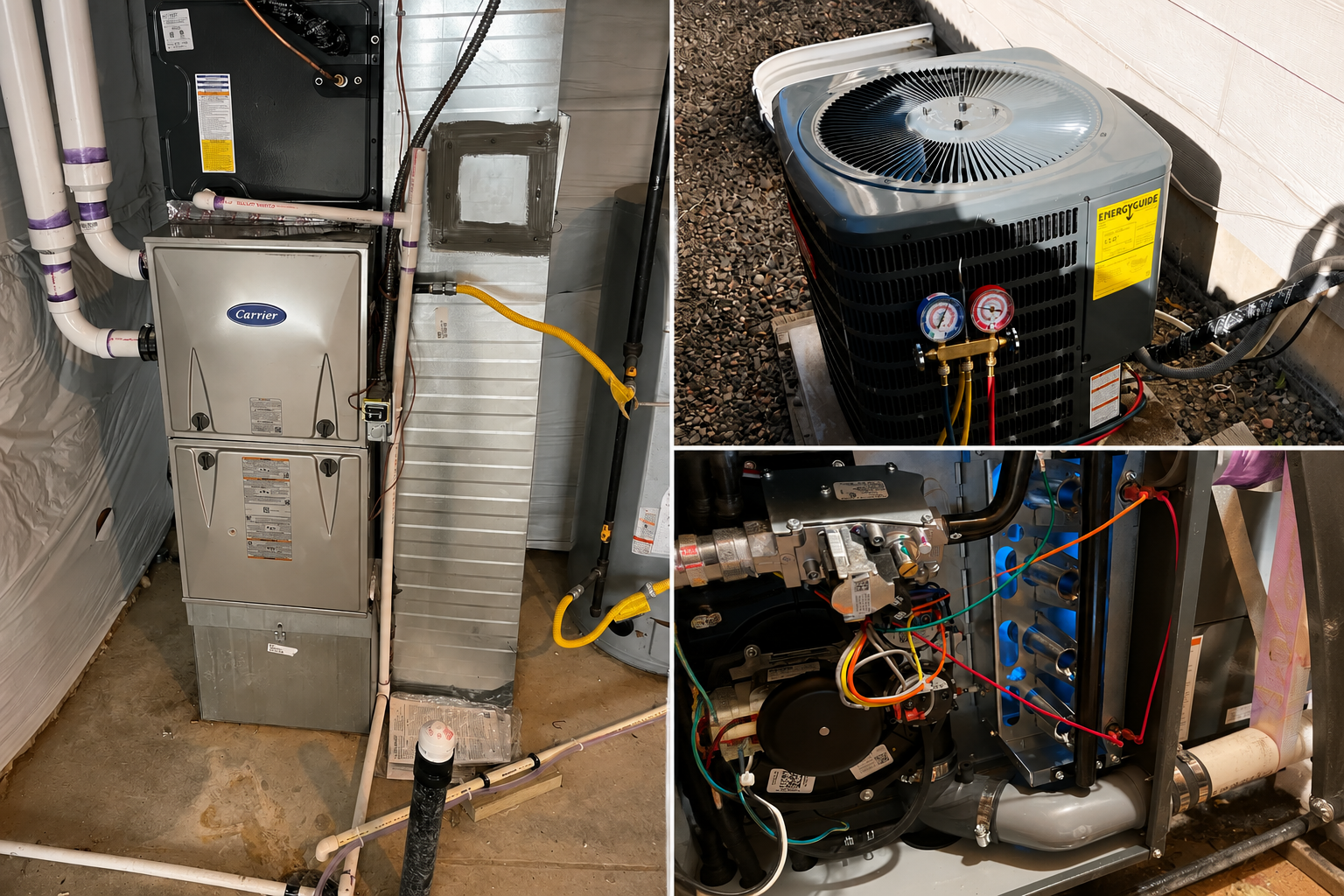
Small plumbing leaks under sinks often go unnoticed for months.
Water from overflowing appliances slowly moves beneath flooring materials.
Even a tiny leak can soak insulation and drywall from the inside.
Poor sealing allows condensation to collect throughout changing seasons.
Moisture inside ductwork can spread spores into multiple rooms.
These hidden areas explain why professional inspections are much more effective than surface cleaning alone.
Visible mold is not the only warning sign.
Many homes show smaller clues first.
Pay attention if you notice
If these signs appear after water damage, professional inspection should not wait.
Many homeowners unintentionally make the problem worse.
Avoid these common mistakes.
Paint hides discoloration but does not stop mold growth underneath.
Even slow leaks create enough moisture for mold to spread.
Bleach removes stains on some hard surfaces but cannot remove mold inside porous materials.
Disturbing mold can spread spores into other parts of the home.
A musty odor usually means moisture still exists somewhere inside the property.
Every emergency begins with understanding why mold developed in the first place.
Colorado Field Services follows a practical process that focuses on solving the entire problem instead of simply removing visible mold.
The service includes
The goal is not only to remove mold but also to restore a cleaner and healthier indoor environment with as little disruption as possible.
Most homeowners think mold only damages drywall.
In reality, delayed action can affect many parts of a property.
Quick emergency mold removal helps protect
| Area | Possible Benefit |
| Drywall | Reduces replacement costs |
| Flooring | Prevents moisture damage beneath surfaces |
| Wooden framing | Lowers the chance of structural deterioration |
| Indoor air | Helps improve air quality |
| Home value | Prevents larger restoration issues before selling |
A fast response today often prevents extensive repairs later.
You do not need special equipment to notice early warning signs.
Walk through your home every few weeks and ask yourself
If the answer is yes to any of these questions, scheduling a professional inspection is a smart next step.
Understanding how quickly mold develops explains why professionals recommend immediate action.
| Time After Moisture Appears | What Usually Happens |
| 0 to 24 hours | Building materials absorb water. |
| 24 to 48 hours | Mold spores may begin growing. |
| 3 to 5 days | Small colonies become established |
| One week | Mold spreads into nearby materials. |
| Several weeks | Structural repairs become more extensive. |
Most mold emergencies begin quietly. A hidden leak, a damp smell, or a ceiling stain often appears long before visible mold covers a wall. Acting quickly gives homeowners the best chance to stop the problem while repairs remain manageable.
Colorado Field Services provides dependable emergency mold removal backed by detailed inspections, safe remediation practices, and long-term moisture solutions. If you suspect mold anywhere in your home, do not wait until it spreads.
Learn more about our professional mold remediation company services to protect your property, improve indoor air quality, and restore a healthier living environment.
 basement finishing
Bathroom Renovation
Blog Category
Concrete Patio Installation
Concrete Sidewalk Installers
Countertop Installation Services
Emergency HVAC Service
Exterior Painting Castle Pines
General Contractor
Granite Countertop
Granite Countertops
Heating System Installation
Indoor Air Quality
Interior Painting
Mold Remediation
mold remediation colorado
Painting Contractors
Poured Concrete Services
Quartz Countertop Installation
Quartz Kitchen Countertop Installation
Residential Concrete Services
Tenant Improvement
Uncategorized
basement finishing
Bathroom Renovation
Blog Category
Concrete Patio Installation
Concrete Sidewalk Installers
Countertop Installation Services
Emergency HVAC Service
Exterior Painting Castle Pines
General Contractor
Granite Countertop
Granite Countertops
Heating System Installation
Indoor Air Quality
Interior Painting
Mold Remediation
mold remediation colorado
Painting Contractors
Poured Concrete Services
Quartz Countertop Installation
Quartz Kitchen Countertop Installation
Residential Concrete Services
Tenant Improvement
Uncategorized