

Mold growth is more than an unpleasant sight on a wall or ceiling. It often signals an underlying moisture problem that can affect a home’s structure, indoor air quality, and the comfort of the people living there. According to the U.S. Environmental Protection Agency (EPA), controlling moisture is the key to controlling indoor mold. This makes timely mold inspection and remediation an important part of responsible home maintenance.
In Colorado, changing weather conditions, snowmelt, plumbing leaks, basement moisture, and poor ventilation can create conditions that allow mold to develop. Even a small leak behind a wall or beneath a floor can lead to hidden growth if homeowners do not address it promptly. Mold remediation services in Colorado help property owners identify the source of the problem, remove affected materials safely, and take steps to prevent future growth. Understanding how this process works can help homeowners protect their properties before a moisture issue becomes a larger concern.
What are Mold Remediation Services?
Mold remediation is the process of identifying, containing, cleaning, and removing mold growth from an affected property. Unlike basic surface cleaning, professional remediation focuses on understanding why mold developed in the first place.
Mold needs moisture and a suitable surface to grow. Leaking pipes, roof damage, condensation, flooding, and damp building materials can all create favorable conditions. Simply wiping away visible mold does not solve the problem if the affected area remains wet.
Professional mold remediation services generally include
- Detailed inspection to identify visible mold and signs of hidden moisture.
- Moisture source identification to locate leaks, condensation, or water intrusion.
- Containment to limit the spread of mold spores during remediation.
- Affected material removal when contaminated drywall, insulation, or other materials cannot be properly cleaned.
- Surface cleaning and treatment using appropriate methods for affected areas.
- Preventive recommendations to help control moisture and reduce the possibility of future growth.
The goal is not just to improve the appearance of a room. It is to address the conditions that allowed mold to develop.
Why Do Colorado Homes Need Mold Remediation?
Colorado’s climate can create several moisture-related challenges for homeowners. Although the state has many dry and sunny days, that does not mean residential properties are free from mold risks.
Snow accumulation, melting ice, heavy rainfall, plumbing failures, and basement leaks can introduce moisture into homes. During colder months, temperature differences between indoor and outdoor surfaces can also cause condensation around windows, exterior walls, and poorly ventilated spaces.
Consider a basement with a small foundation leak. The water may not create an obvious puddle, but it can gradually soak into drywall, carpeting, or wooden framing. If the area stays damp, mold may begin to develop without immediate warning.
Some common situations that increase mold risks include
- Roof leaks that allow rainwater or melting snow to enter the attic.
- Basement seepage caused by poor drainage or foundation cracks.
- Plumbing leaks behind bathroom and kitchen walls.
- Poor ventilation in bathrooms, laundry rooms, and crawl spaces.
- Flooding that leaves building materials damp.
- Condensation around windows, pipes, and cold exterior surfaces.
For homes in areas such as Castle Pines and the surrounding Colorado communities, regular attention to moisture problems can help prevent avoidable property damage.
Common Areas Where Mold Develops in Homes
Mold does not always appear in open or easily accessible places. It can develop in areas where moisture remains trapped for extended periods.
| Area of the home | Common cause of mold growth |
| Basements | Foundation leaks, seepage, and damp materials |
| Bathrooms | High humidity, condensation, and poor ventilation |
| Kitchens | Leaking sinks, pipes, and appliance connections |
| Attics | Roof leaks and inadequate ventilation |
| Crawl spaces | Ground moisture and limited airflow |
| Walls and ceilings | Hidden plumbing leaks and water damage |
Homeowners should pay attention to musty odors, water stains, peeling paint, discoloration, and recurring dampness. These signs do not always confirm mold growth, but they can indicate a moisture problem that needs further inspection.
How Professional Mold Remediation Works
Mold remediation requires more than cleaning visible patches. A proper process considers the affected materials, the extent of moisture damage, and the possibility of mold spreading into nearby areas.
At Colorado Field Services, the remediation process focuses on identifying the problem and addressing the affected areas carefully.
The process generally involves the following steps:
- Inspection and Moisture Assessment
The first step involves examining the affected areas and looking for signs of moisture. Technicians assess visible mold, water stains, damp surfaces, and possible sources of water intrusion. They may also use moisture-detection equipment to investigate areas where water damage is not immediately visible.
- Identifying the Source of Moisture
Removing mold without correcting the moisture problem can lead to recurring growth. The team looks for issues such as leaking pipes, roof damage, poor drainage, and condensation. Addressing these problems helps create conditions that are less suitable for mold growth.
- Containment of Affected Areas
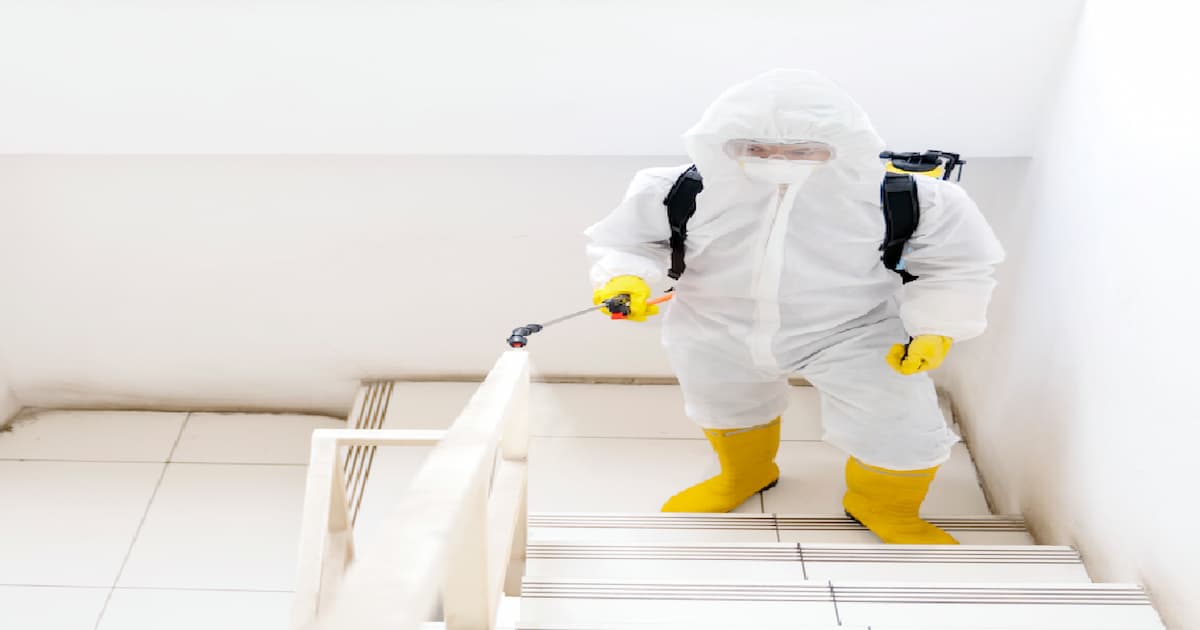
Mold spores can spread when contaminated materials are disturbed. Depending on the extent of the problem, professionals may isolate the affected area using protective barriers and other containment measures. This helps limit the movement of dust and spores into unaffected rooms.
- Safe Removal of Mold-Affected Materials
Some materials can be cleaned, while others may need removal. Porous materials such as damaged drywall, insulation, and ceiling tiles can hold mold within their surfaces. When proper cleaning is not possible, removing and replacing these materials may be necessary.
- Cleaning and Surface Treatment
After removing affected materials, technicians clean suitable surfaces using appropriate methods and products. Colorado Field Services provides EPA-compliant cleaning and treatment of affected surfaces as part of its mold remediation services.
- Preventive Recommendations
The final stage focuses on reducing the possibility of another mold problem. This may include recommendations for better ventilation, moisture control, plumbing repairs, and improved drainage.
The EPA also emphasizes that remediation is not complete until the underlying moisture problem has been corrected.
Mold Remediation vs. Mold Removal
Homeowners often use mold removal and mold remediation as interchangeable terms. However, there is a practical difference between the two.
Mold removal generally refers to physically cleaning or removing visible mold from affected materials. Mold remediation takes a broader approach by addressing the growth, containing the affected area, managing moisture, and reducing the risk of recurrence.
| Mold removal | Mold remediation |
| Focuses on visible mold | Addresses the wider mold problem |
| May involve surface cleaning | Includes inspection and containment |
| Removes affected growth | Identifies moisture sources |
| May not address hidden damage | Considers affected materials and surrounding areas |
| Focuses on immediate cleaning | Includes preventive recommendations |
For example, cleaning a moldy section of a basement wall may improve its appearance. However, if groundwater continues entering through the foundation, the problem may return. Remediation considers both the visible growth and the conditions behind it.
Why Professional Treatment Matters for American Homes
Mold problems are not limited to older or poorly maintained properties. Newer homes can also experience mold growth when construction materials become wet, plumbing develops leaks, or ventilation systems fail to manage indoor moisture.
Across the United States, residential properties face different moisture challenges depending on their climate, construction, and maintenance conditions. In colder regions, condensation and ice-related water intrusion can affect building materials. In warmer or more humid areas, persistent indoor moisture can encourage mold development.
Professional treatment becomes particularly important when mold affects multiple rooms, appears after flooding, develops inside walls, or involves contaminated building materials.
There are also indoor air quality considerations. The EPA identifies allergic reactions, asthma symptoms, and other respiratory complaints among the potential health effects associated with mold exposure. People with existing respiratory conditions or mold sensitivities may need additional precautions.
Professional remediation helps homeowners address these concerns through appropriate inspection, containment, and cleanup rather than relying on temporary surface treatments.
How Homeowners Can Prevent Future Mold Growth
Professional remediation addresses an existing problem, but everyday maintenance also plays an important role in keeping a home dry.
Here are some practical steps homeowners can follow:
- Repair leaks promptly. Check plumbing fixtures, roofs, windows, and basement walls for signs of water intrusion.
- Maintain proper ventilation. Use exhaust fans in bathrooms and kitchens to remove excess moisture.
- Control indoor humidity. The EPA recommends keeping indoor humidity between 30% and 60%.
- Dry wet materials quickly. Clean and dry water-damaged areas within 24 to 48 hours whenever possible.
- Inspect basements and crawl spaces. Look for dampness, musty odors, and signs of water seepage.
- Keep gutters and drainage systems clear. Directing water away from the foundation can help reduce basement moisture.
- Avoid covering mold with paint. Clean affected surfaces and make sure they are dry before applying new paint or finishes.
These steps cannot guarantee that mold will never develop, but they can reduce common moisture-related risks.
Professional Mold Remediation Services From Colorado Field Services
Mold growth can affect more than the appearance of a property. It can damage building materials, create persistent indoor odors, and indicate moisture problems that homeowners should not ignore. A small stain may be the first visible sign of a larger issue behind a wall, beneath flooring, or inside an attic.
Colorado Field Services provides mold remediation services that focus on inspection, moisture source identification, safe removal and containment of affected materials, and appropriate surface cleaning. The team also offers preventive recommendations to help homeowners address the conditions that contribute to mold growth.
When mold appears in a home, treating the visible area is only one part of the solution. Working with a professional mold remediation company can help property owners understand the extent of the problem and take the right steps toward a cleaner, better-maintained indoor environment.
Homeowners in Colorado can contact Colorado Field Services to discuss their mold concerns and explore suitable remediation solutions for their properties.
Frequently Asked Questions (FAQs)
- What are the signs that a house needs mold remediation?
Common warning signs include visible mold patches, musty odors, water stains, peeling paint, damp walls, and recurring moisture problems. Mold can also develop in hidden areas, such as behind drywall, beneath carpets, and inside cabinets. A professional inspection can help identify the affected areas. - Can mold grow behind walls without being visible?
Yes. Mold can develop behind drywall, wallpaper, furniture, and other surfaces when moisture becomes trapped. Homeowners may notice a musty smell, discoloration, or peeling paint before they see actual mold growth. An inspection can help locate hidden moisture and potential mold contamination. - How long does mold remediation take?
The timeline depends on the size of the affected area, the type of materials involved, and the source of moisture. A small, contained problem may take less time to address than extensive growth involving multiple rooms or structural materials. Drying and necessary repairs can also affect the overall schedule. - Can I stay in my home during mold remediation?
It depends on the extent and location of the mold problem. Homeowners may be able to remain in unaffected parts of the property when professionals properly isolate the work area. However, extensive contamination or remediation in essential living spaces may require temporary relocation. - Does mold come back after remediation?
Mold can return if the underlying moisture problem remains unresolved. Leaking pipes, roof damage, condensation, and poor ventilation can create conditions for new growth. Proper remediation addresses the affected materials and identifies moisture sources to help reduce the risk of recurrence. - Is professional mold remediation necessary for a small mold problem?
Not every small mold patch requires professional treatment. According to the EPA, homeowners can often handle mold growth covering less than 10 square feet on their own when the situation is straightforward. However, extensive water damage, contaminated water, hidden mold, or suspected HVAC contamination may require professional attention.
Category
 basement finishing
Bathroom Renovation
Blog Category
Concrete Patio Installation
Concrete Sidewalk Installers
Countertop Installation Services
Emergency HVAC Service
Exterior Painting Castle Pines
General Contractor
General Contractors
Granite Countertop
Granite Countertops
Heating System Installation
Home Air Quality Inspection
Indoor Air Quality
Interior Painting
Mold Remediation
mold remediation colorado
Painting Contractors
Poured Concrete Services
Quartz Countertop Installation
Quartz Kitchen Countertop Installation
Residential Concrete Services
Tenant Improvement
Uncategorized
Recent Posts