
Mold does not need a large visible patch to become a serious concern for a home. It can develop behind drywall, beneath carpets, inside cabinets, around plumbing fixtures, or in poorly ventilated areas where moisture remains trapped. A small leak, roof damage, basement seepage, or condensation around windows can create the conditions mold needs to grow. Once it spreads into building materials, simply cleaning the affected surface may not solve the problem.
This is why hiring a certified mold remediation company in Colorado matters. Professional remediation involves more than removing visible mold. It requires identifying moisture sources, assessing affected materials, containing the work area, and following appropriate removal and cleanup practices. For Colorado homeowners, where snowmelt, seasonal storms, plumbing leaks, and temperature changes can affect indoor moisture levels, professional attention can help protect the condition of the property.
What Does a Certified Mold Remediation Company Do?
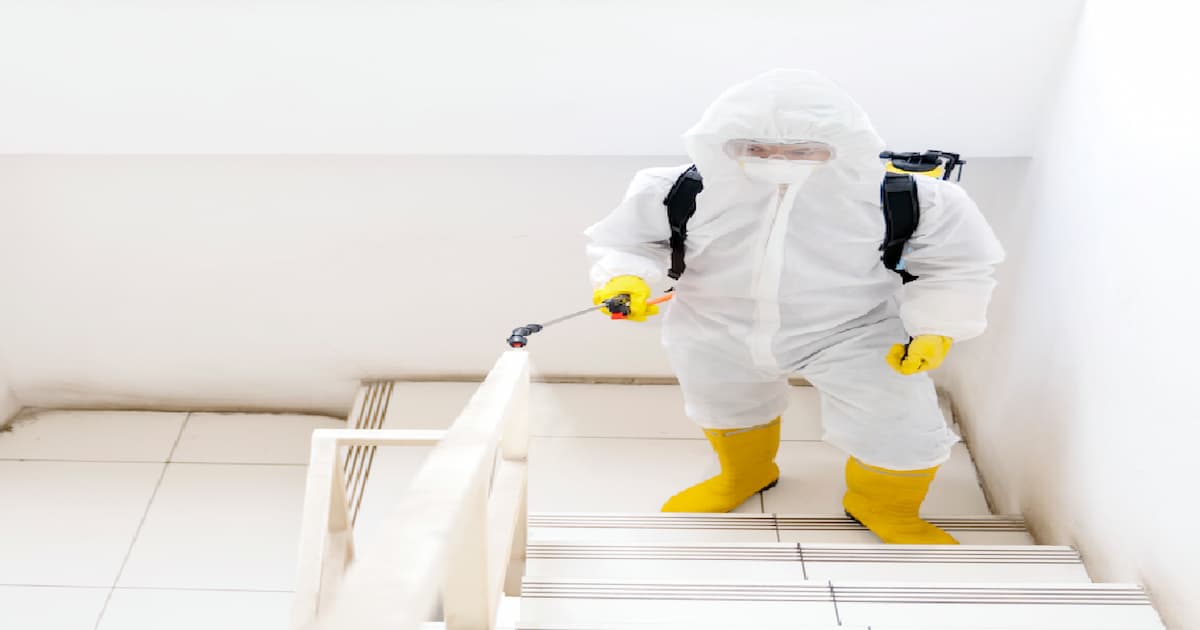
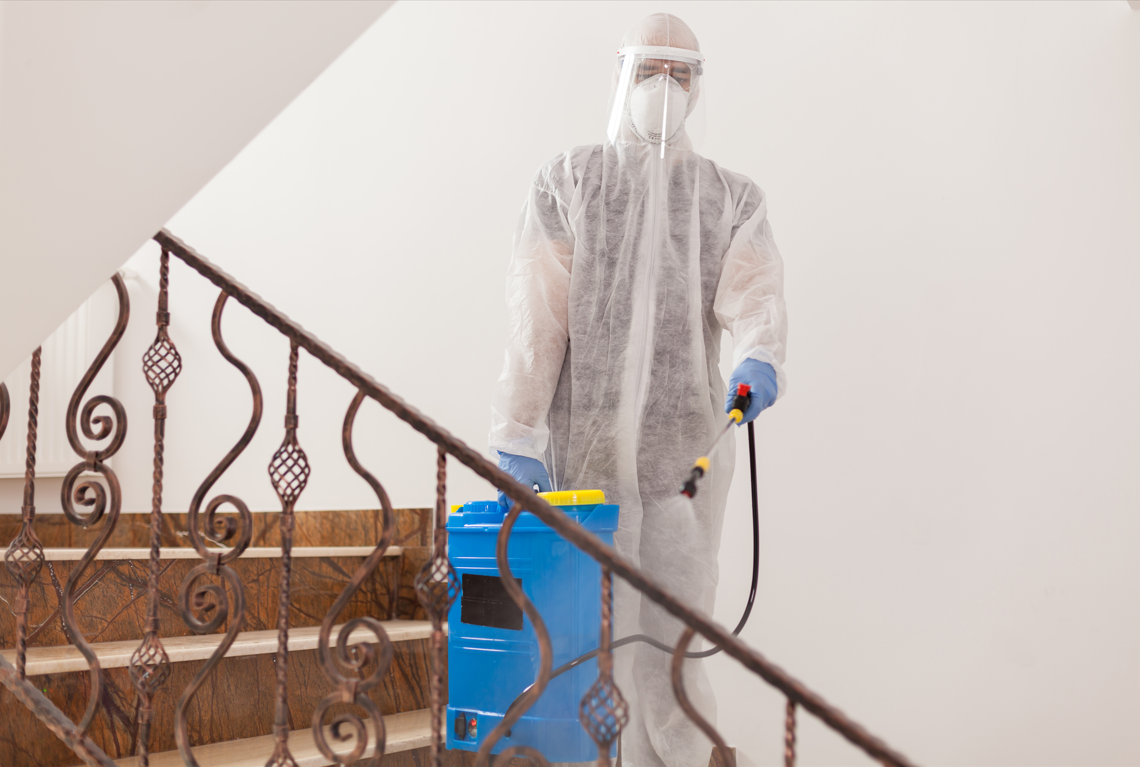
A certified mold remediation company follows established industry practices to identify, contain, and remove mold from affected areas. Its work focuses on addressing the contamination while considering the condition of the building materials and the moisture problem behind the growth.
Mold spores exist naturally in the environment. They become a property concern when moisture allows them to grow indoors. Different types of mold can develop on drywall, wood, insulation, carpeting, and other materials that retain moisture.
Professional remediation generally involves three important tasks:
- Identifying the affected areas through a careful assessment of visible growth, moisture conditions, and possible hidden contamination.
- Controlling the spread by isolating the work area and limiting the movement of dust and mold-contaminated materials.
- Removing affected materials and cleaning suitable surfaces using appropriate procedures and equipment.
However, removing mold is only part of the job. If a leaking pipe, damaged roof, or drainage issue continues to introduce moisture, the problem can return.
Why Mold Remediation Matters for American Homes
Mold is a concern for homeowners across the United States because moisture problems can occur in almost any type of property. A home does not need to experience major flooding to develop mold. A slow plumbing leak, poor bathroom ventilation, roof damage, or a damp crawl space can provide enough moisture for growth.
The U.S. Environmental Protection Agency recommends drying water-damaged areas and materials within 24 to 48 hours to help prevent mold growth. This makes early attention important, especially after leaks, storms, or plumbing failures.
Mold can affect a property in several ways:
- Damage to building materials: Mold can grow on drywall, wooden framing, insulation, ceiling tiles, and carpets. Some porous materials may need removal when cleaning cannot fully address the contamination.
- Indoor air concerns: Mold spores can become airborne when disturbed. Exposure may cause allergic reactions or irritation in some people, particularly those with existing sensitivities.
- Recurring moisture problems: Mold often returns when homeowners remove visible growth but leave the original leak or dampness unresolved.
- Repair expenses: When moisture remains unnoticed, damage can extend into walls, flooring, ceilings, and other parts of the home.
These concerns make proper remediation a property-maintenance issue, not simply a cleaning task.
Common Places Where Mold Develops in Colorado Homes
Colorado homes experience different moisture conditions throughout the year. Snow accumulation, melting ice, heavy rainfall, plumbing leaks, and indoor condensation can all introduce moisture into building materials.
Some areas deserve closer attention because they receive less airflow or remain damp for extended periods.
| Area of the home | Common cause of mold growth |
| Basements | Foundation seepage, plumbing leaks, and damp walls |
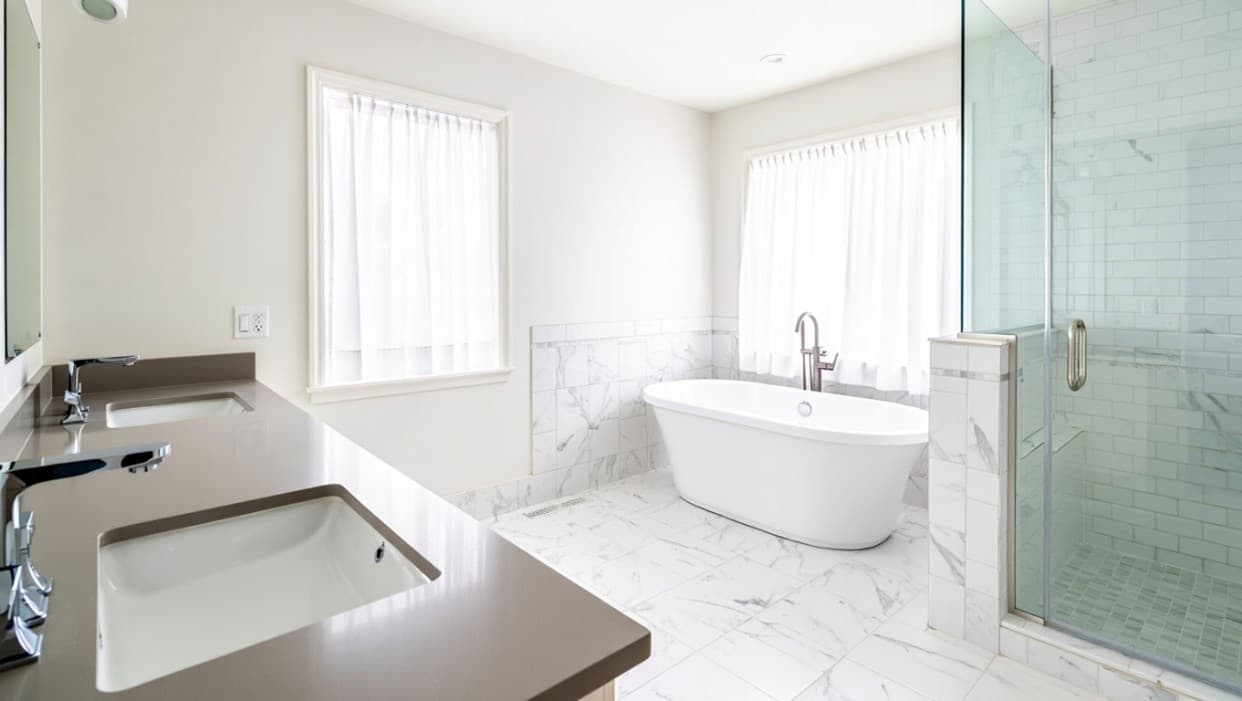
| Bathrooms | Poor ventilation, condensation, and leaking fixtures |
| Attics | Roof leaks and inadequate ventilation |
| Crawl spaces | Ground moisture and insufficient airflow |
| Kitchens | Leaking sinks, dishwashers, and refrigerator lines |
| Laundry rooms | Washing machine leaks and damp surfaces |
| Windows and exterior walls | Condensation and water intrusion |
One challenge is that mold does not always appear where the moisture first enters. For example, water from a roof leak may travel along wooden framing before reaching a ceiling. By the time a homeowner notices a stain, nearby insulation or drywall may already have moisture damage.
A thorough assessment helps determine whether the visible patch represents the full extent of the problem.
Why Certification Matters During Mold Remediation
Mold removal involves more than applying a cleaning solution to a stained surface. The process requires an understanding of moisture behavior, building materials, containment, and safe removal practices.
Working with a certified professional gives homeowners an additional way to evaluate a company’s training and industry knowledge. However, certification requirements can vary between organizations and states, so homeowners should always ask which organization issued the certification and what it covers.
A qualified remediation company should understand how to:
- Identify visible and suspected hidden mold growth.
- Recognize the moisture conditions supporting contamination.
- Select appropriate containment methods.
- Use suitable protective equipment and removal techniques.
- Handle contaminated porous materials properly.
- Clean affected areas and support complete drying.
- Recommend steps to prevent future moisture problems.
Certification should also be considered alongside licensing where applicable, insurance, relevant experience, and clear project communication.
For homeowners, these details matter because an incomplete cleanup can leave behind contaminated materials or unresolved moisture.
What Happens During Professional Mold Remediation?
A professional remediation project follows a planned process. The exact steps depend on the affected area, the type of materials involved, and the source of moisture:
- Initial property assessment
The process begins with an inspection of visible mold, water stains, damp surfaces, and areas where moisture may be collecting. The professional also considers possible sources such as roof leaks, damaged pipes, or foundation seepage.
- Identifying the moisture source
Before removal begins, the underlying water problem needs attention. Otherwise, new mold growth may develop in the same location. This could involve repairing a plumbing leak, addressing water entry, or improving ventilation.
- Containment and preparation
The affected area may require isolation to limit the spread of mold-contaminated dust and debris. Professionals determine the appropriate containment and protective measures based on the size and nature of the project.
- Removal of affected materials
Materials that cannot be adequately cleaned and dried may need removal. This can include damaged drywall, insulation, carpet padding, or ceiling tiles. Suitable surfaces may undergo professional cleaning.
- Cleaning and drying
After removing affected materials, professionals clean the remaining surfaces and address residual contamination. Proper drying is essential because moisture control helps prevent further growth.
- Final assessment
The completed work should receive a final review to check for remaining visible mold, moisture concerns, and signs of incomplete cleanup. The company should also explain any additional repairs or moisture-control measures that the property needs.
The EPA emphasizes that mold remediation is not complete simply because visible growth has disappeared. The underlying moisture problem must also be corrected.
Signs That a Home Needs Professional Attention
Not every mold problem looks the same. Some homeowners notice dark patches on walls, while others first recognize a persistent musty smell.
Look out for these warning signs.
- Mold spots that continue growing or return after cleaning.
- Musty odors in basements, closets, or rooms with limited airflow.
- Water stains on ceilings, walls, and flooring.
- Peeling paint, bubbling wallpaper, or swollen drywall.
- Damp insulation or moisture around windows.
- Previous flooding or water damage followed by lingering dampness.
A hidden mold problem may also exist behind furniture, inside wall cavities, beneath flooring, or around HVAC components. If the heating or cooling system may be contaminated, avoid operating it until a qualified professional assesses the situation.
Homeowners should not rely on smell or appearance alone to determine the extent of contamination. A professional assessment can help establish what needs attention.
How to Choose the Right Mold Remediation Company
Choosing a remediation company is an important decision because the quality of the work affects both the cleanup and the property’s long-term condition.
Before hiring a contractor, consider the following points.
- Check certification: Ask about the company’s certification, issuing organization, and current credentials.
- Review experience: Look for experience with residential mold problems, including basements, crawl spaces, bathrooms, and water-damaged interiors.
- Confirm insurance: Verify that the company carries appropriate insurance for the work.
- Understand the proposed process: The contractor should explain inspection, containment, material removal, cleaning, and drying.
- Ask about moisture control: A reliable remediation plan should address the source of moisture rather than focus only on visible mold.
- Request a clear estimate: Understand the work included, expected timeline, and any additional repairs that may fall outside the remediation scope.
Colorado Field Services brings more than 50 years of combined industry experience and NORMI certification to its property-related services. The company is licensed and insured and offers free estimates. Homeowners can consider these qualifications when discussing their property’s mold concerns and the work required.
Professional Mold Remediation for Colorado Properties
Mold problems can develop gradually, but delaying the right response can make property damage more extensive. A small leak behind a bathroom wall or moisture trapped beneath basement flooring may seem manageable until the affected area begins to spread.
Colorado Field Services understands the importance of addressing property concerns with the right assessment and professional care. With more than 50 years of combined industry experience, NORMI certification, and licensed and insured services, the company supports property owners looking for dependable solutions.
Homeowners dealing with visible mold, recurring dampness, or suspected hidden growth can explore professional mold remediation services in Colorado to understand their property’s needs and determine the appropriate next steps.
Contact Colorado Field Services today to discuss your mold concerns and request a free estimate. Early attention can help limit further damage and support a cleaner, better-maintained home.
Frequently Asked Questions (FAQs)
- How do I know if I need professional mold remediation?
Professional remediation may be necessary when mold covers a large area, keeps returning after cleaning, or develops following significant water damage. Persistent musty odors and suspected hidden mold behind walls or beneath flooring also warrant an assessment. - How much mold is too much to remove yourself?
The EPA suggests that homeowners can generally handle mold growth covering less than 10 square feet. Larger affected areas, extensive water damage, contaminated water, and suspected HVAC contamination may require professional attention. - Can mold grow behind walls without being visible?
Yes. Mold can develop behind drywall, beneath wallpaper, around plumbing fixtures, and inside insulation when moisture remains trapped. Musty odors, recurring damp spots, and unexplained water stains may indicate a hidden problem. - How long does professional mold remediation take?
The timeline depends on the affected area, the extent of contamination, the materials involved, and the moisture source. Small projects may take less time, while extensive contamination and structural drying can require several days or longer. - Does mold remediation completely prevent mold from returning?
Remediation addresses existing mold growth, but it cannot guarantee that mold will never return. Homeowners must also correct leaks, control indoor humidity, improve ventilation, and keep affected materials dry to reduce the chances of recurring growth. - Is mold testing always necessary before remediation?
No. Testing is not always required when visible mold and moisture problems clearly indicate the need for cleanup. The CDC does not recommend routine air sampling as a standard part of indoor mold assessments. A professional can determine whether testing would provide useful information for a particular property.
Category
 basement finishing
Bathroom Renovation
Blog Category
Concrete Patio Installation
Concrete Sidewalk Installers
Countertop Installation Services
Emergency HVAC Service
Exterior Painting Castle Pines
General Contractor
General Contractors
Granite Countertop
Granite Countertops
Heating System Installation
Home Air Quality Inspection
HVAC Maintenance Service
Indoor Air Quality
Interior Painting
Mold Remediation
mold remediation colorado
Painting Contractors
Poured Concrete Services
Quartz Countertop Installation
Quartz Kitchen Countertop Installation
Residential Concrete Services
Tenant Improvement
Uncategorized
Recent Posts