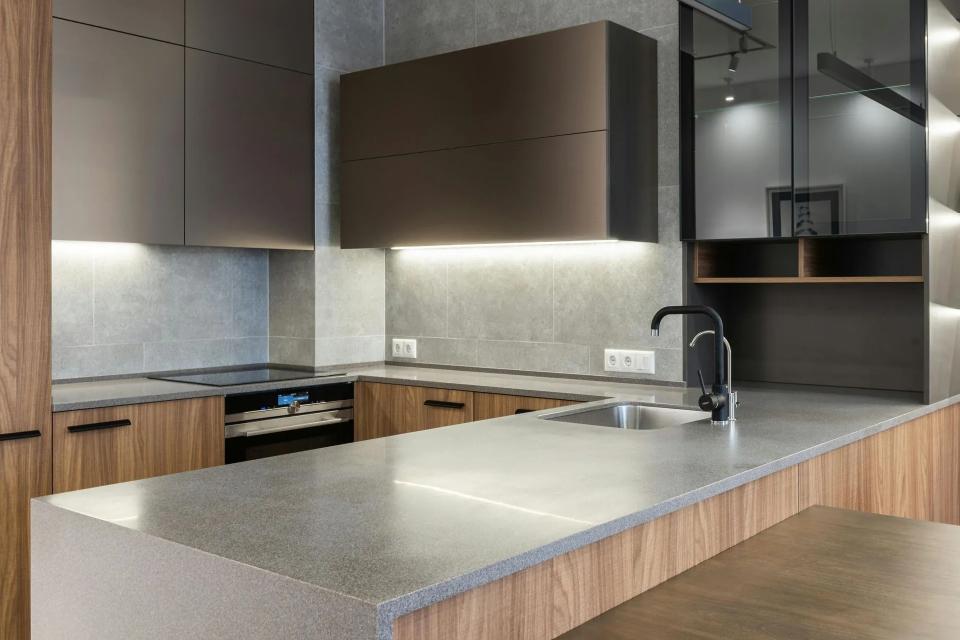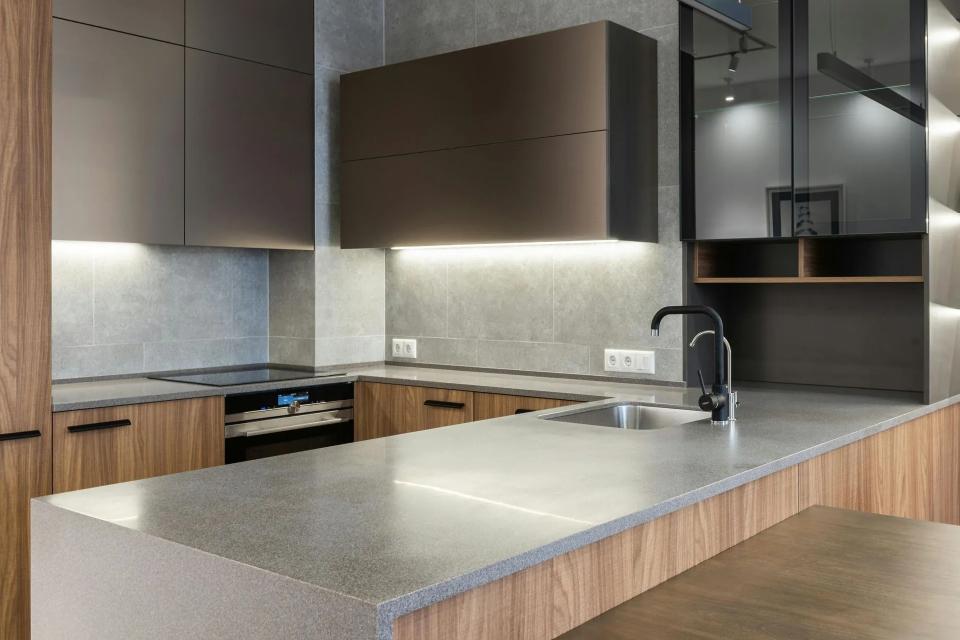
A kitchen countertop does not have to shout for attention to shape the entire room. Sometimes the difference comes from a subtle stone pattern, a well-placed seam, a clean edge, or the way the countertop meets the cabinets and backsplash. These details may seem small on their own, but together they determine how finished the kitchen feels.
That is why granite countertop installation deserves more attention than simply choosing a slab from a showroom. In Castle Pines, homeowners often invest in kitchens that are designed for both everyday living and entertaining. The countertop needs to support that lifestyle while fitting naturally into the architecture and character of the home.
Colorado Field Services provides professional countertop solutions throughout Castle Pines and nearby Colorado areas. From granite countertop installation to quartz countertop upgrades and complete countertop replacements, each project can be planned around the home’s existing design, practical requirements, and long-term use.
Kitchen design trends change quickly. Cabinet colors shift. Hardware finishes come and go. Backsplash styles evolve.
Granite, however, continues to have a place in residential kitchens because natural stone offers something manufactured patterns cannot fully reproduce. Every slab has its own mineral composition, movement, and visual character.
That variation can be especially useful in a kitchen where homeowners want the countertop to feel distinctive rather than mass-produced.
A quiet granite with soft movement can create a calm backdrop for detailed cabinetry. A heavily patterned slab can become the feature that defines an otherwise simple kitchen.
The key is choosing granite based on the entire room rather than selecting a stone in isolation.
A countertop may look completely different next to dark cabinetry than it does beside white cabinets. Lighting can also change how colors and mineral patterns appear throughout the day.
For this reason, homeowners should consider the countertop alongside the cabinets, flooring, backsplash, lighting, and fixtures.
Think about two kitchens with the same cabinet layout.
One has a pale countertop with minimal movement. The other has dark granite with strong mineral patterns.
The cabinets may be identical, but the rooms will not feel the same.
The countertop occupies a significant visual area, especially around a kitchen island. It can make the room feel warm, dramatic, understated, traditional, or contemporary.
This is where thoughtful granite countertop installation becomes important.
The slab should not simply fit the cabinets. Its pattern should make sense across the visible areas of the kitchen.
A large island, for example, may display a substantial portion of the stone. The direction and placement of the pattern can therefore become an important design consideration.
A good installation brings those visual elements together rather than treating each section as an unrelated piece.
The finished countertop should look intentional from every angle.
That requires more than placing stone over cabinets.
Granite carries considerable weight. The cabinets beneath it need to provide a stable and suitable foundation.
Before installation, the cabinet layout should be checked for level and stability. Any major issue with the base should be addressed before the stone is placed.
This step is easy to overlook because homeowners naturally focus on the countertop itself. Yet the surface underneath has a direct effect on the finished installation.
Walls are not always perfectly straight. Corners can vary. Existing cabinetry may have small inconsistencies.
Professional templating accounts for these conditions.
Measurements should also include sinks, faucets, cooktops, appliance clearances, backsplashes, islands, and overhangs. The more complex the kitchen, the more important this stage becomes.
A seam is not automatically a flaw.
Large kitchens often require multiple sections of stone. The real issue is where the seam goes and how well it fits into the overall layout.
A seam near a sink or high-use area may attract more attention than one positioned in a less prominent location.
Slab size, cabinet arrangement, stone pattern, and kitchen geometry all influence the final layout.
A thoughtful installation considers these factors before fabrication begins.
Some of the most noticeable countertop details are not obvious when homeowners first begin planning the project.
The edge is one of the areas people see and touch every day.
A simple edge can complement a clean-lined kitchen. A more detailed profile may work better in a traditional interior.
The right choice depends on the design rather than the popularity of a particular profile.
The sink area receives heavy use and deserves careful planning.
The countertop cutout needs to match the selected sink. The surrounding stone also needs to provide the appropriate appearance and support for the chosen configuration.
An undermount sink, for example, creates a different visual connection between the sink and countertop than a drop-in design.
Large islands have become common in American kitchens, but bigger is not always better.
An island needs enough clearance around it for people to move comfortably. Seating areas also require practical overhangs.
The countertop should support the island’s purpose rather than simply cover the largest possible area.
The countertop and backsplash should work together.
A highly active granite pattern may already provide plenty of visual interest. Pairing it with an equally busy backsplash can make the kitchen feel crowded.
On the other hand, a quieter granite can provide room for a more decorative backsplash.
This relationship should be considered before both materials are finalized.
Granite does not belong to one particular design style.
Granite with warm tones can work well with natural wood cabinetry, detailed hardware, and classic lighting.
A transitional kitchen often benefits from a balanced granite pattern. The stone can connect traditional cabinet details with cleaner contemporary features.
Modern spaces may work best with granite that has restrained movement and a simple edge. The natural stone can add texture without overwhelming the clean lines.
In an open floor plan, the countertop is visible from other parts of the home.
That makes color and pattern especially important. The granite should coordinate with nearby flooring, furniture, wall finishes, and architectural elements.
A beautiful slab can still produce a disappointing result if the layout does not use it well.
Imagine a granite slab with an attractive central pattern. If the fabrication layout places that pattern in an area hidden by a sink or appliance, much of the stone’s visual character may disappear.
This is why slab planning matters.
Homeowners should consider where the most visible sections will appear. Kitchen islands often deserve special attention because they can become the room’s central feature.
Pattern direction, seams, sink openings, and edge details should all be considered together.
The goal is not simply to install the granite. The goal is to make the stone work for the room.
Across the United States, the kitchen has become one of the most flexible rooms in the home.
It may serve as a place for cooking, eating, working, entertaining, and spending time with family. In many homes, the kitchen island becomes the informal center of daily life.
That places considerable demand on the countertop.
Homeowners need surfaces that can handle routine preparation and cleaning while also maintaining the appearance of the space.
When homeowners eventually sell, buyers may notice the condition and design of the kitchen. A dated or damaged countertop can make the entire room feel older. A well-maintained countertop can help the kitchen present a more cohesive appearance.
That does not mean granite installation guarantees a specific return on investment. Home value depends on many factors, including location, overall condition, market conditions, and the quality of the renovation.
Still, the kitchen remains an important consideration for many homeowners planning property improvements.
Granite and quartz are both strong countertop options, but the decision should involve more than color.
| Consideration | Granite | Quartz |
|---|---|---|
| Material | Natural stone | Engineered stone |
| Pattern | Naturally varied | More consistent |
| Appearance | Each slab has unique characteristics | Broad range of controlled designs |
| Maintenance | May require periodic sealing | Generally does not require sealing |
| Heat | Strong heat resistance | Requires care around intense heat |
| Style | Natural and distinctive | Consistent and versatile |
| Best fit | Homeowners who appreciate natural variation | Homeowners who prefer consistency and low maintenance |
Granite may appeal to someone who wants a countertop with natural character. Quartz may suit someone who wants predictable color and pattern throughout the kitchen.
Neither choice should be based solely on what is currently trending.
A countertop is a long-term feature. It should make sense for the home and the way the household uses the space.
Granite can last for many years, so replacement is not always necessary simply because a kitchen looks dated.
However, replacement may make sense when the countertop has substantial damage, outdated design features, persistent staining, unsuitable seams, or a layout that no longer works for the household.
A kitchen renovation can also create a reason to replace an otherwise functional countertop.
For example, changing the cabinet layout may require a different countertop configuration. A new island may need a larger surface. A homeowner may also want to coordinate the countertop with new cabinets or appliances.
In these situations, the countertop becomes part of a broader design decision.
Searching for granite and quartz countertop installers near me is a good starting point, but location should not be the only consideration.
Homeowners should look for an installer who understands the complete process from measurement through final placement.
Questions worth asking include
Clear answers can help homeowners understand what they can expect from the project.
Colorado Field Services provides countertop solutions for homeowners in Castle Pines and surrounding Colorado areas. The focus remains on careful planning, suitable materials, accurate installation, and a finished result that works with the home.
Granite is durable, but basic care still matters.
Use cleaning products suitable for natural stone and avoid harsh products that may affect the finish. Wipe up spills instead of allowing them to remain on the surface for extended periods.
Granite may also need periodic sealing. The right schedule depends on the stone’s porosity, finish, use, and existing sealer.
Homeowners should also use cutting boards and trivets as practical precautions.
These habits are simple, but they can help preserve the countertop’s appearance over the years.
The best granite countertop installation does not simply place a stone surface in a kitchen. It brings together the slab, cabinet layout, island proportions, sink placement, seams, edge profile, backsplash, and everyday use.
That approach matters in Castle Pines, where homeowners may want a kitchen that feels refined without losing its practical purpose.
Granite offers natural character, strong durability, and a wide range of visual options. With careful planning and professional installation, it can become one of the defining features of a kitchen without overpowering the rest of the room.
Colorado Field Services provides countertop solutions for Castle Pines homeowners who are considering granite installation, quartz upgrades, or countertop replacement. Homeowners looking for granite and quartz countertop installers near me can contact Colorado Field Services to discuss their space, material options, and installation requirements.
1. Is granite still popular for kitchen countertops?
Yes. Granite remains a popular countertop material because of its natural appearance, durability, and broad range of colors and patterns. Its natural variation also gives each slab a distinctive character.
2. Is granite better than quartz for a kitchen?
There is no single best choice for every kitchen. Granite offers natural variation and strong heat resistance, while quartz offers consistent designs and generally lower maintenance. The right option depends on the home’s design and the homeowner’s priorities.
3. How long does a granite countertop last?
A properly installed and maintained granite countertop can serve a home for decades. Its lifespan depends on the quality of the stone, installation, support, usage, and maintenance.
4. Does granite need to be sealed?
Many granite countertops benefit from sealing because natural stone can have varying levels of porosity. The appropriate sealing schedule depends on the specific granite and how it is used.
5. Can you put hot pans on granite countertops?
Granite has strong heat resistance, but using a trivet is still a sensible precaution. Sudden temperature changes or repeated exposure to extreme heat can create unnecessary stress on the stone.
 basement finishing
Bathroom Renovation
Blog Category
Concrete Patio Installation
Concrete Sidewalk Installers
Countertop Installation Services
Emergency HVAC Service
Exterior Painting Castle Pines
General Contractor
Granite Countertop
Granite Countertops
Heating System Installation
Indoor Air Quality
Interior Painting
Mold Remediation
mold remediation colorado
Painting Contractors
Poured Concrete Services
Quartz Countertop Installation
Quartz Kitchen Countertop Installation
Residential Concrete Services
Tenant Improvement
Uncategorized
basement finishing
Bathroom Renovation
Blog Category
Concrete Patio Installation
Concrete Sidewalk Installers
Countertop Installation Services
Emergency HVAC Service
Exterior Painting Castle Pines
General Contractor
Granite Countertop
Granite Countertops
Heating System Installation
Indoor Air Quality
Interior Painting
Mold Remediation
mold remediation colorado
Painting Contractors
Poured Concrete Services
Quartz Countertop Installation
Quartz Kitchen Countertop Installation
Residential Concrete Services
Tenant Improvement
Uncategorized