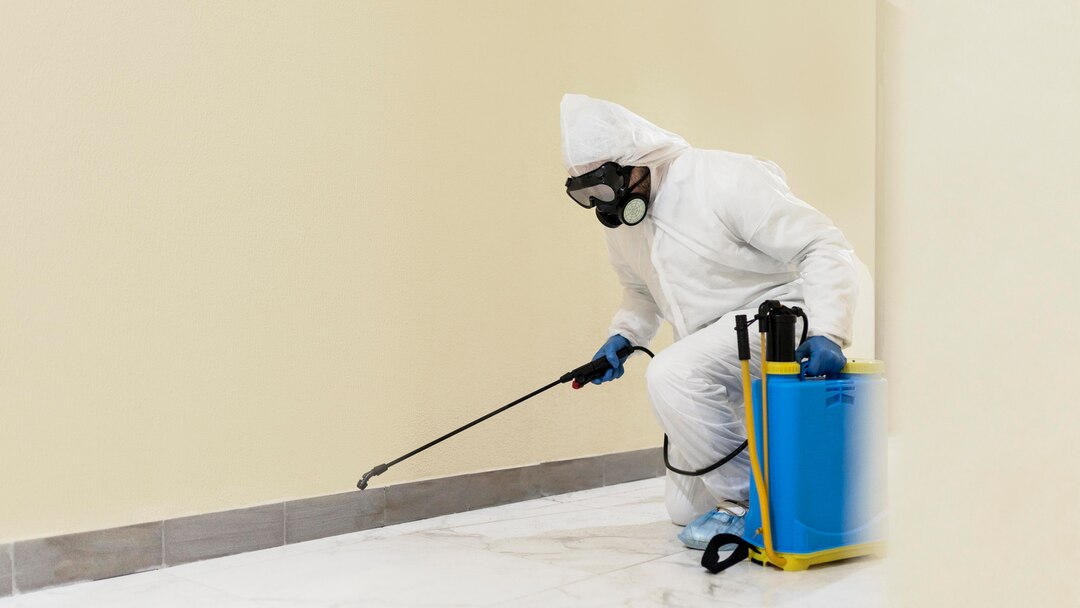
“Basements often become the first place where moisture hides and mold begins to grow unnoticed in American homes.”
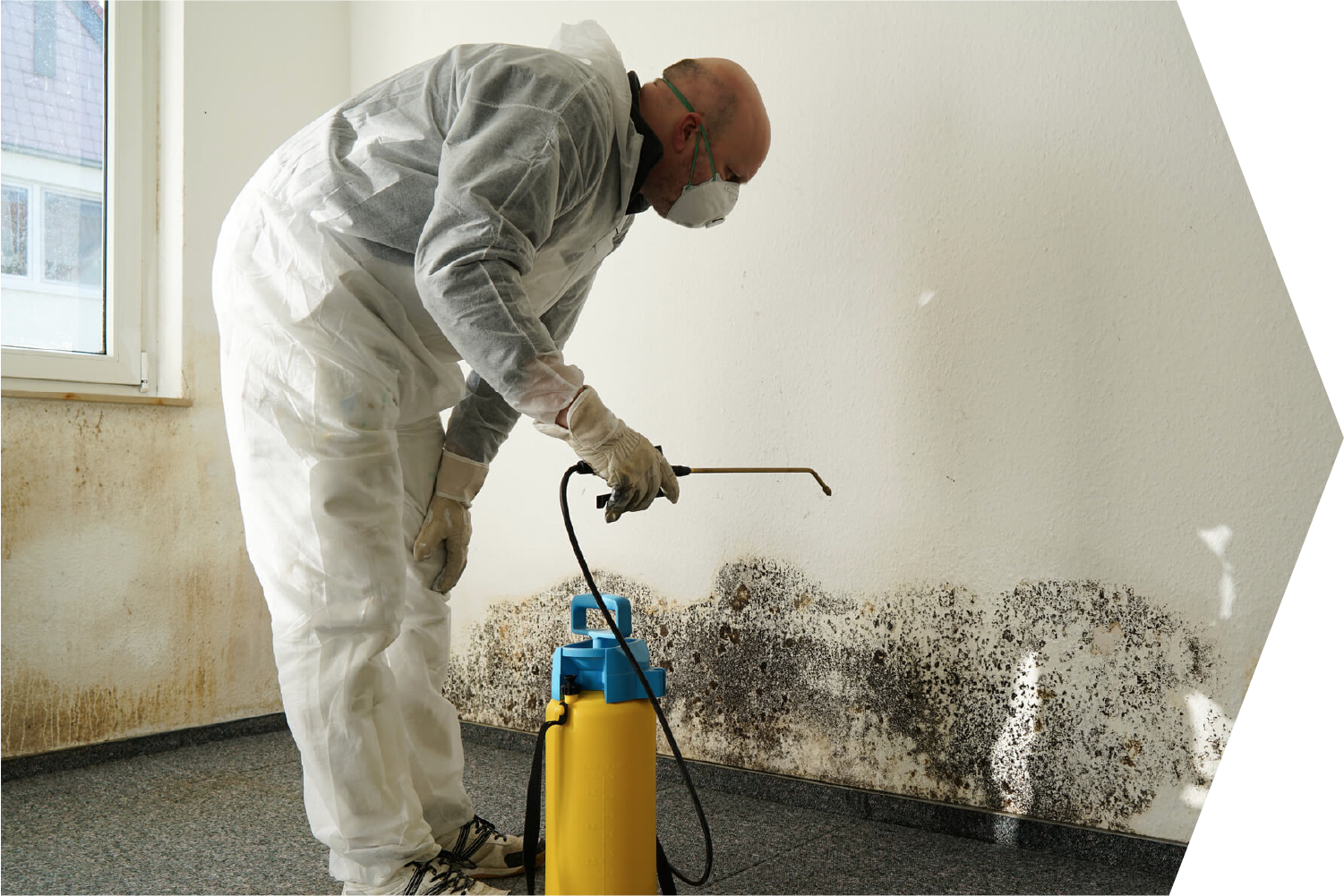
Across many parts of the United States, basement mold is not just a seasonal problem but a year-round concern for homeowners. In regions like Colorado, shifting temperatures, snow melt, and hidden moisture create ideal conditions for mold growth inside foundations and lower levels of homes. What starts as a small damp patch can quickly turn into a widespread contamination issue affecting air quality, structural safety, and daily living comfort.
This is why professional basement mold removal and cleanup has become an essential service for homeowners who want to protect both their property and health.
Basement mold develops when moisture stays trapped in enclosed spaces for long periods. Basements naturally collect humidity because they sit below ground level and often have limited ventilation. Even a small water leak or condensation buildup can trigger mold growth within 24 to 48 hours.
In many American homes, basements are used for storage, laundry, or living space expansion. This increases the risk because stored items like cardboard, wood, and fabric act as food sources for mold spores.
Common causes include
Homes in Castle Pines often experience basement moisture challenges due to seasonal climate variation. Cold winters lead to snow accumulation, while warmer months bring melting that increases groundwater pressure around foundations.
Many properties in this region also sit on sloped land, which can direct water toward basements if drainage systems are not properly maintained. Over time, this creates a hidden environment where mold spores grow behind walls, under flooring, and around insulation.
Homeowners in Castle Pines often notice mold only after it spreads, which makes early inspection and cleanup critical.
Mold is not always visible at first. It often hides behind surfaces and grows quietly. Some early warning signs include
Ignoring these signs can allow mold to spread deeper into structural materials.
| Mold Type | Appearance | Common Location in Basement | Risk Level |
| Aspergillus | Green or gray | Walls, insulation | Moderate |
| Cladosporium | Dark green or black | Wood surfaces, fabrics | Moderate |
| Stachybotrys | Black and slimy | Damp drywall and wood | High |
| Penicillium | Blue or green | Carpets, stored items | Moderate |
Each type of mold behaves differently, but all require proper removal to prevent recurrence.
Professional mold cleanup follows a structured process to ensure safety and full removal.
Technicians identify moisture sources and measure humidity levels. Thermal imaging tools often help detect hidden water pockets.
The contaminated space is isolated to prevent spores from spreading to other parts of the home.
HEPA filtration systems remove airborne mold spores during the cleanup process.
Drywall, insulation, or porous materials that cannot be cleaned are safely removed.
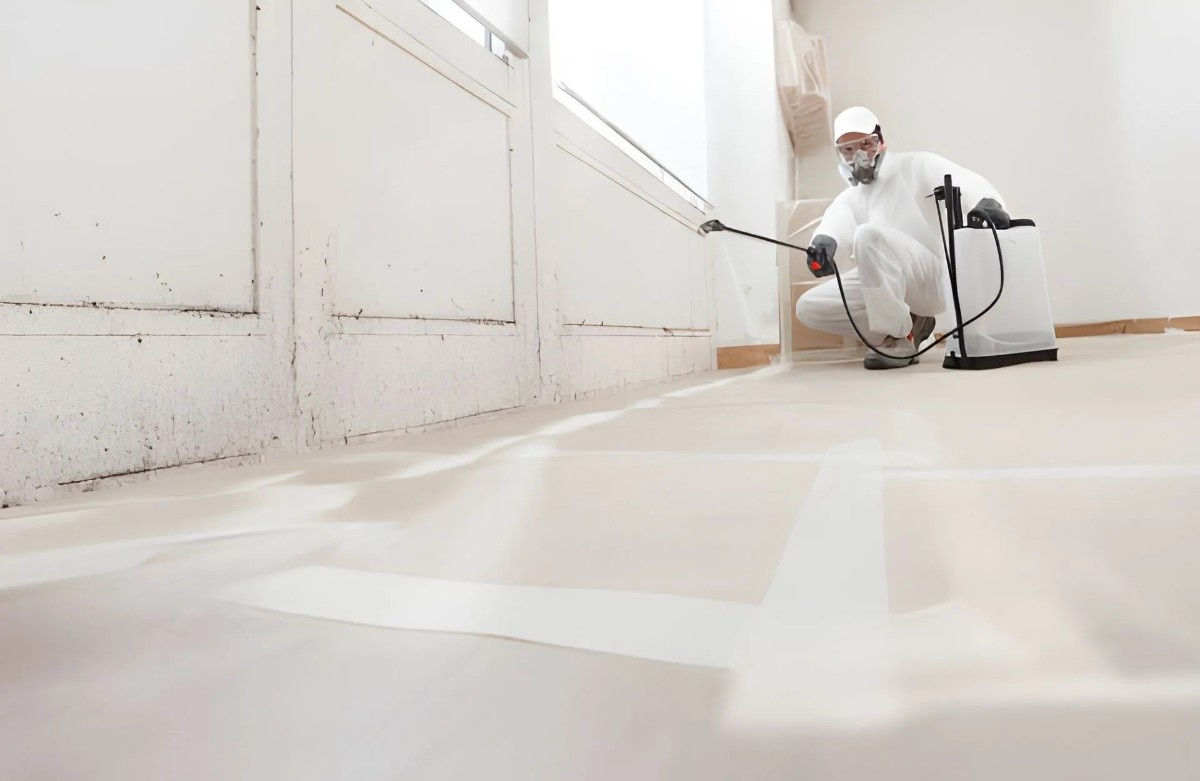
Surfaces are treated using antimicrobial solutions to eliminate remaining mold colonies.
Industrial drying equipment reduces moisture levels to prevent regrowth.
The area is tested to ensure mold levels are within safe limits before restoration begins.
Mold removal is not just a surface cleaning task. In many cases, it involves structural evaluation, moisture control, and air quality restoration.
Professionals like Colorado Field Services follow safety standards that protect both the home and occupants. Without proper equipment, DIY removal can release spores into the air and worsen contamination.
Key benefits of professional cleanup include the following:
Mold exposure can affect health in multiple ways, especially for children, elderly individuals, and people with respiratory conditions.
Common health effects include
From a structural standpoint, mold slowly damages wood, drywall, and insulation. Over time, this weakens the foundation of the home and increases repair costs significantly.
Preventing basement mold requires consistent moisture control and maintenance.
Small preventive steps can reduce the risk of major mold problems later.
Basement mold is a hidden but serious issue that affects many homes across Colorado. In places like Castle Pines, changing weather patterns and moisture exposure make basements especially vulnerable. Early detection, proper cleanup, and professional treatment are the most effective ways to protect both property and health.
For homeowners looking for trusted solutions, working with a Colorado Field Services team ensures accurate assessment, safe removal, and long-term prevention strategies. Choosing a certified mold remediation company in Colorado helps restore indoor safety and gives peace of mind that the problem has been handled correctly.
1. What causes basement mold in homes?
Basement mold usually develops due to excess moisture from leaks, condensation, or poor ventilation. Water trapped in enclosed spaces creates the right environment for mold growth.
2. How dangerous is basement mold exposure?
Exposure can lead to allergic reactions, breathing issues, and irritation in eyes or skin. Long-term exposure may worsen asthma and other respiratory conditions.
3. Can basement mold go away on its own?
No mold does not go away on its own. It continues to grow as long as moisture is present, and it requires proper removal and drying to stop it.
4. How long does professional mold removal take?
The timeline depends on the severity of contamination. Small areas may take a day or two, while larger infestations can take several days.
5. Is basement mold common in Colorado homes?
Yes, many homes in Colorado experience basement mold due to seasonal moisture changes, snow melt, and foundation drainage issues.
6. What is the best way to prevent mold in basements?
The best prevention includes controlling humidity, fixing leaks quickly, improving ventilation, and scheduling regular inspections of basement areas.
 basement finishing
Bathroom Renovation
Blog Category
Concrete Patio Installation
Concrete Sidewalk Installers
Countertop Installation Services
Emergency HVAC Service
Exterior Painting Castle Pines
General Contractor
Granite Countertop
Granite Countertops
Heating System Installation
Indoor Air Quality
Interior Painting
Mold Remediation
mold remediation colorado
Painting Contractors
Poured Concrete Services
Quartz Countertop Installation
Quartz Kitchen Countertop Installation
Residential Concrete Services
Tenant Improvement
Uncategorized
basement finishing
Bathroom Renovation
Blog Category
Concrete Patio Installation
Concrete Sidewalk Installers
Countertop Installation Services
Emergency HVAC Service
Exterior Painting Castle Pines
General Contractor
Granite Countertop
Granite Countertops
Heating System Installation
Indoor Air Quality
Interior Painting
Mold Remediation
mold remediation colorado
Painting Contractors
Poured Concrete Services
Quartz Countertop Installation
Quartz Kitchen Countertop Installation
Residential Concrete Services
Tenant Improvement
Uncategorized